NEWS
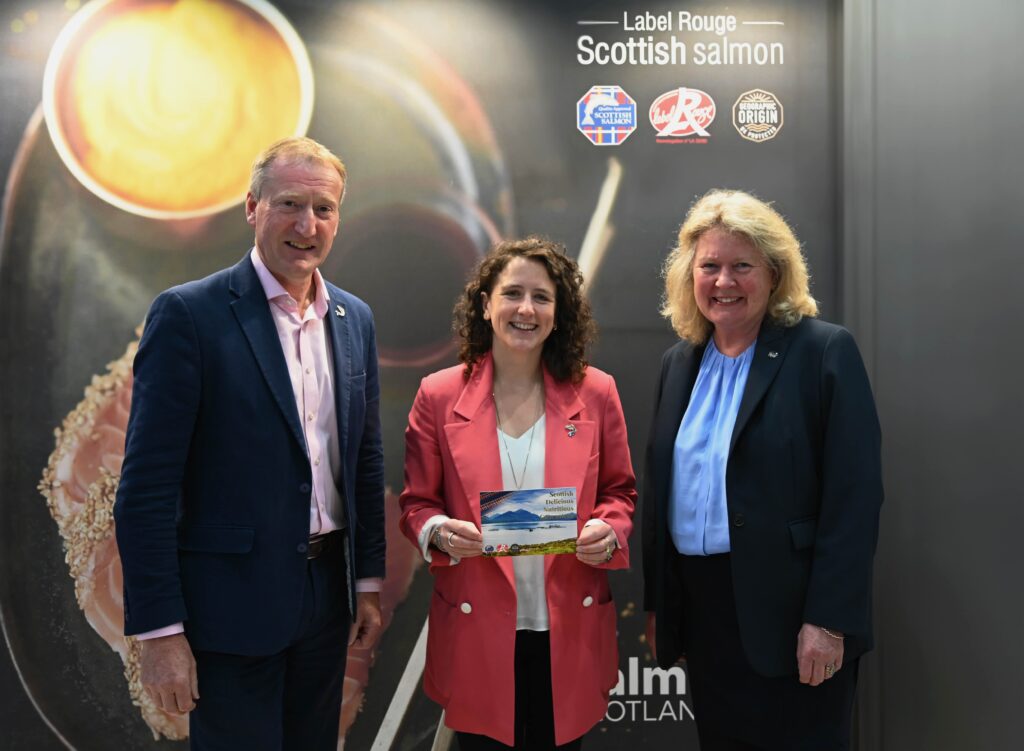
Label Rouge changes create more opportunity for Scotland’s salmon
Changes to France’s prestigious “Label Rouge” quality mark have been welcomed by Scottish salmon farmers. Industry body Salmon Scotland said the amended rules will help its plans to increase the...

Loch Long’s Hawthorn in marathon effort
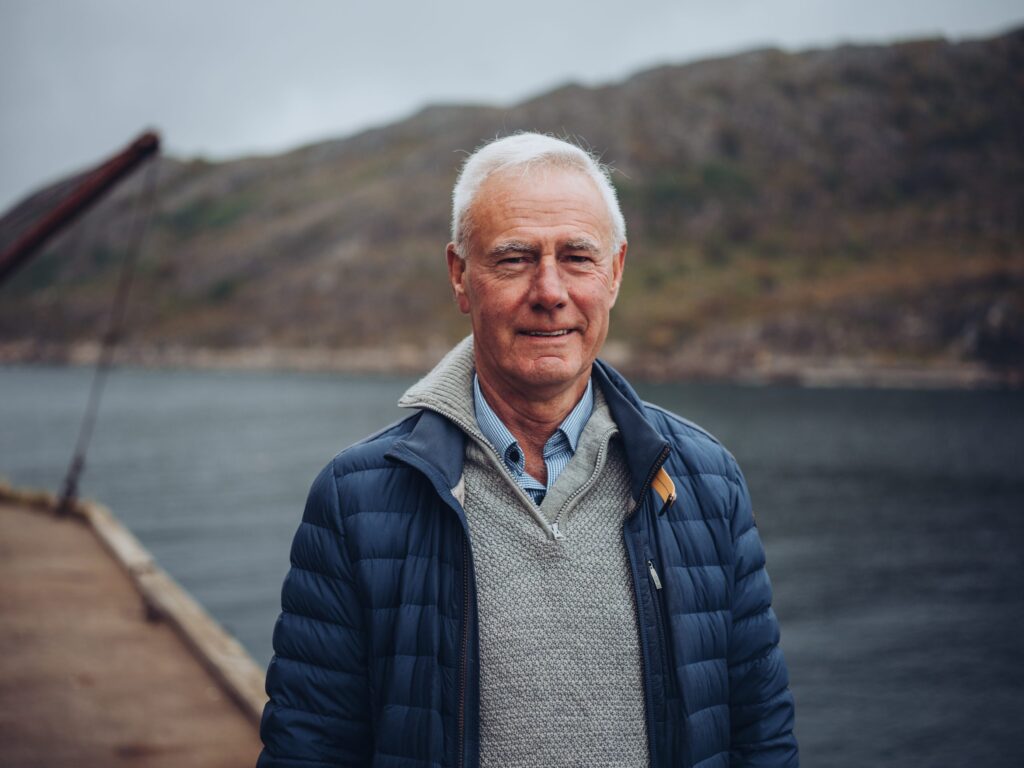
Loch Long Salmon’s Stewart Hawthorn has run the Boston Marathon, raising funds for an organisation that aims to preserve traditional Gaelic culture. Stirling-based Stewart Hawthorn – Managing Director at Loch...
Mowi ready for a further green bond issue
Salmon farming giant Mowi is set to raise additional finance through issuing more green bonds, the company announced yesterday. In a stock exchange announcement, Mowi said that it has mandated...

Arctic Fish escape investigation reopened after appeal
The Icelandic salmon farmer Arctic Fish is likely to face an investigation into its operations in the Westfjords after all. A decision by the police to drop an inquiry into...
NEWSLETTER
Stay in touch with the latest developments from Fish Farmer and subscribe to our online updates

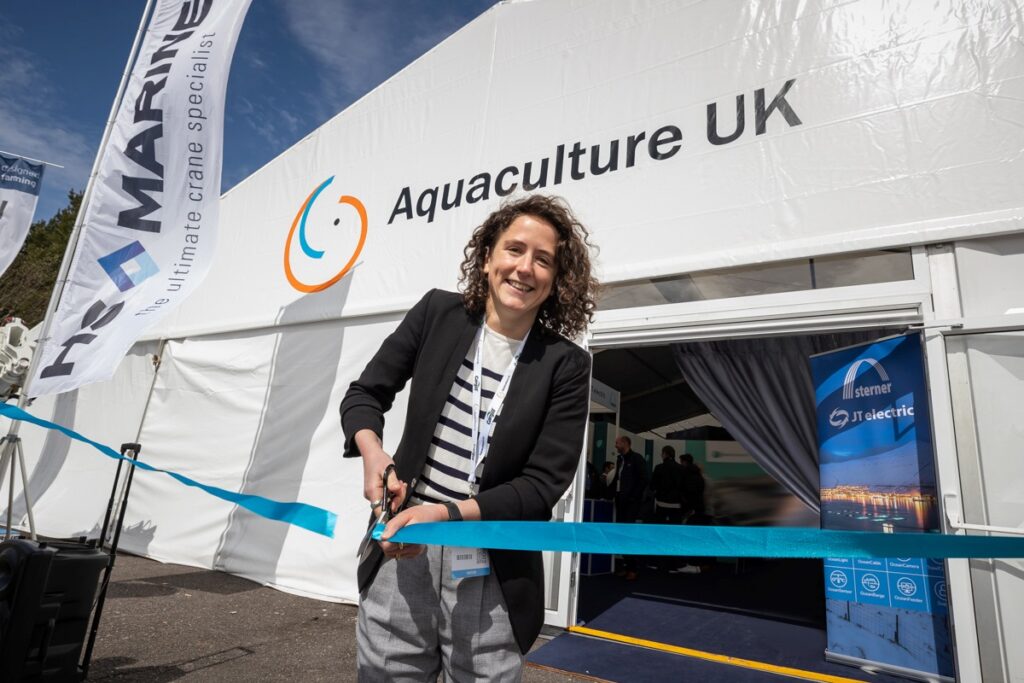
Nothing beats getting together in person
Aquaculture industry companies and suppliers are looking forward to the sector’s biggest trade show in the UK As the UK’s leading trade show for the fish farming industry, Aquaculture UK...
DNV takes ownership of Ocean Ecology
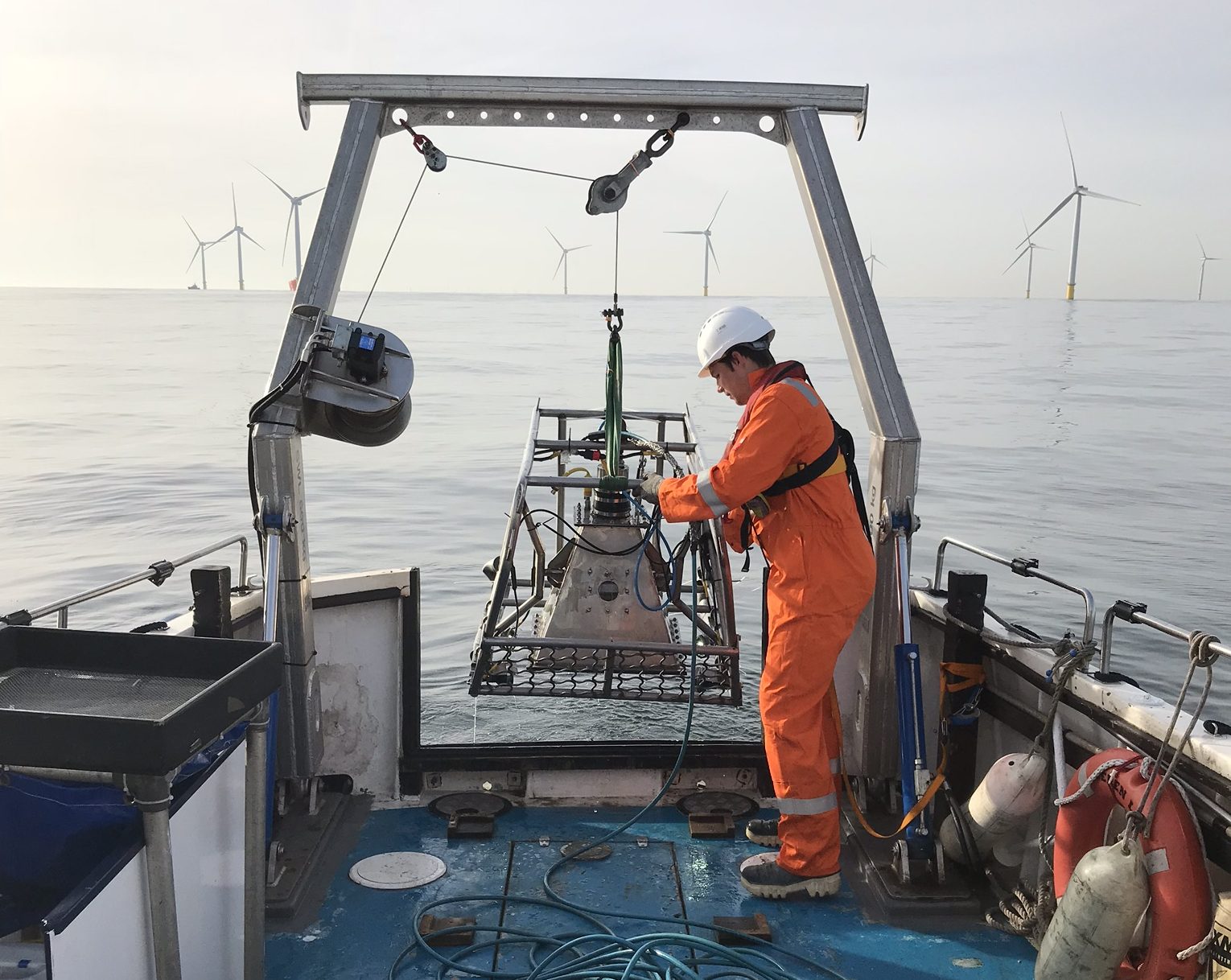
UK-based consultancy Ocean Ecology is now wholly owned by assurance and risk management provider DNV, following a chain of corporate deals. The move confirms DNV’s control of the UK firm,...

Skretting named as feed supplier for flow-through project
Aquafeed business Skretting has committed to supply feed to the Icelandic land-based fish farmer LAXEY. LAXEY, known until last September as Icelandic Land Farmed Salmon, is building a hybrid flow-through...
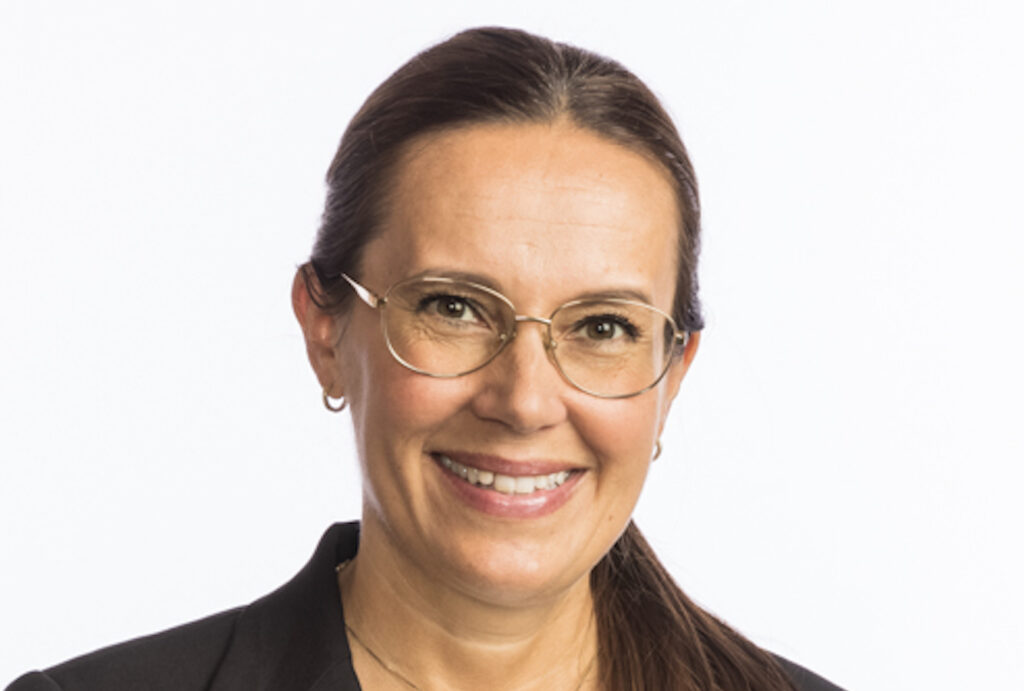
Norwegian government names new seafood minister
Norway has a new Minister of Fisheries and Oceans – just six months after the appointment of Cecilie Myrseth in the role. Myrseth moves up to Trade and Industry as...
Tenacibaculosis – an alternative approach
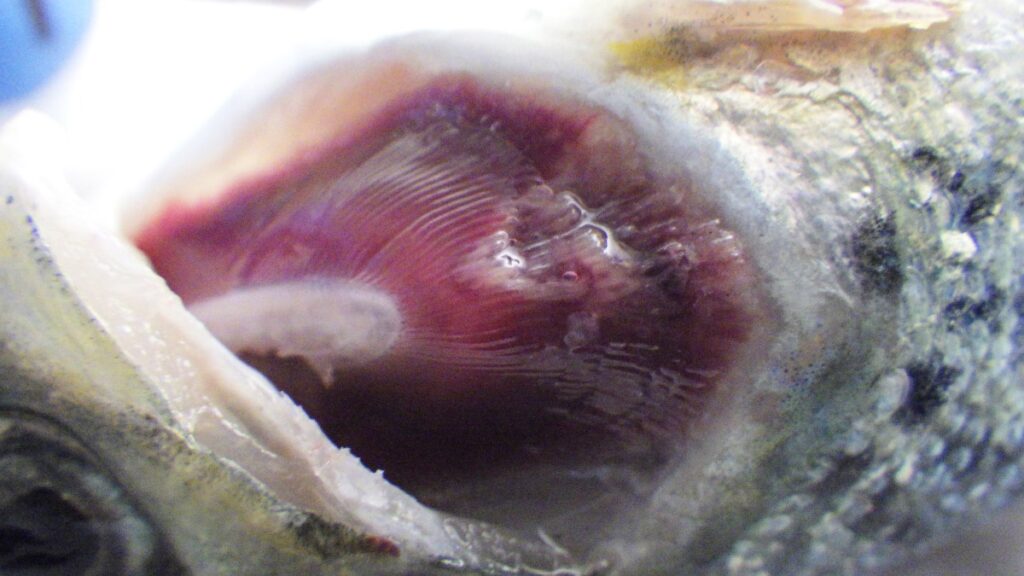
The Center for Aquaculture Technologies Canada has launched a tenacibaculosis model to assist farms in combating growing disease challenges In 2023, the Norwegian salmon industry experienced the loss of 62.7...
Revolutionising aquaculture safety
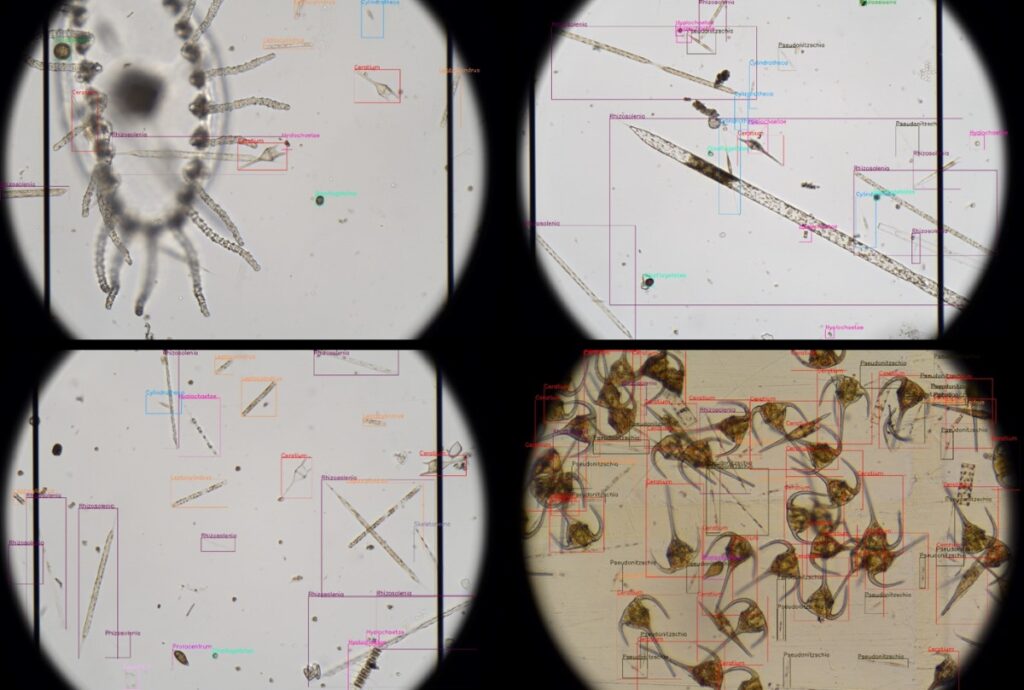
OTAQ introduces LPAS to combat harmful algae blooms: a game-changer in aquaculture monitoring Within the aquaculture industry there are increasingly frequent reports of Harmful Algal Blooms (HABS) being responsible for...

BIO-UV and Pinnacle in partnership for ozone treatments
BIO-UV Group has entered into an exclusive partnership agreement with US-headquartered Pinnacle Ozone Solutions to leverage the company’s QUADBLOCK Ozone water treatment products in Europe, Middle East, Africa and Asia. ...
Major setback for US East Coast salmon farm plan
A plan for a large salmon farm on the US East Coast is hanging in the balance following a controversial decision by the local city council. Nordic Aquafarms has been...