NEWS
Kingfish Company ‘approaching breakeven’
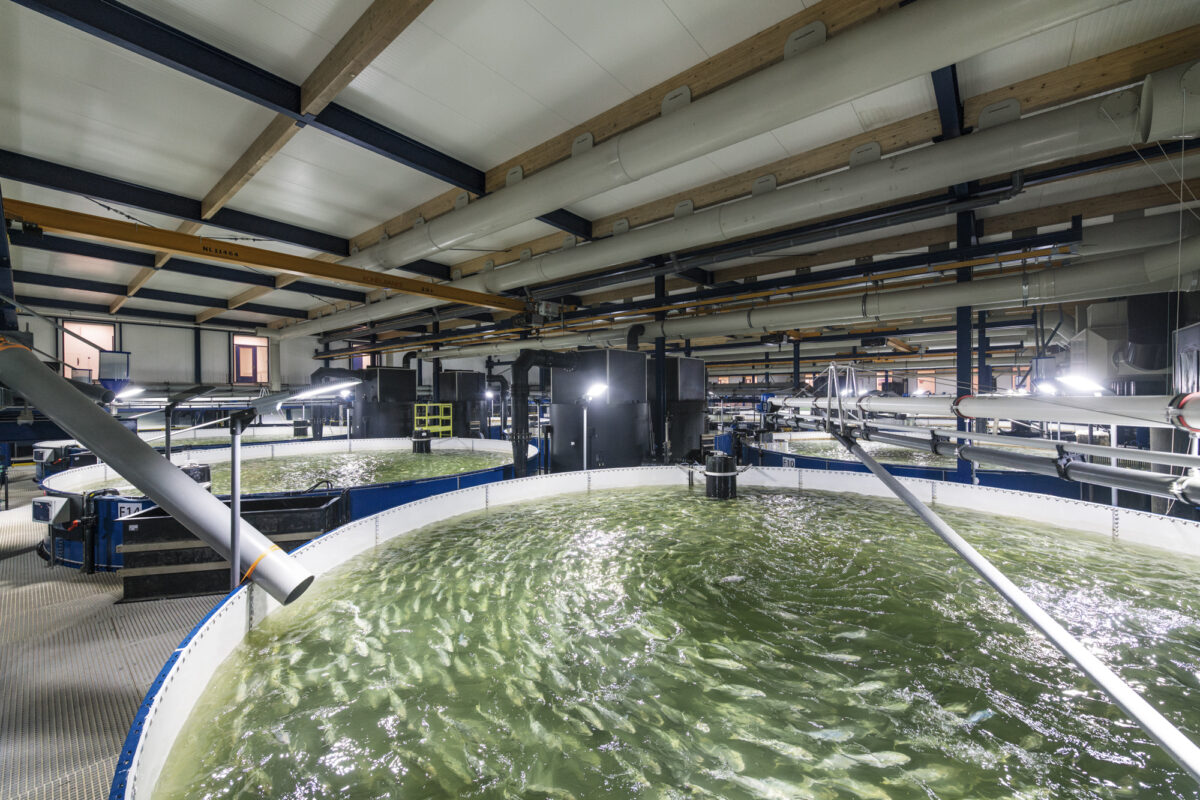
Land-based fish farmer The Kingfish Company says it is working its way to profitability, with financial results for the first quarter of this year it called “promising”. The company raises...
Green light for Scottish Sea Farms’ Shetland plan
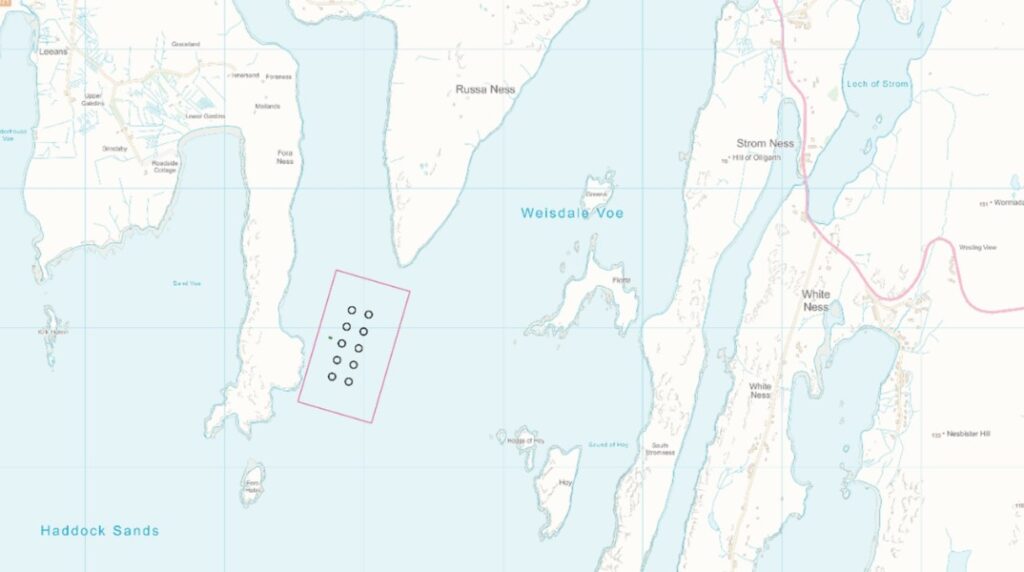
Shetland Islands Council has given its approval to Scottish Sea Farms’ proposed offshore salmon farm at Billy Baa. The move is part of a strategy of modernising and consolidating the...
Lerøy facing police probe over latest escape
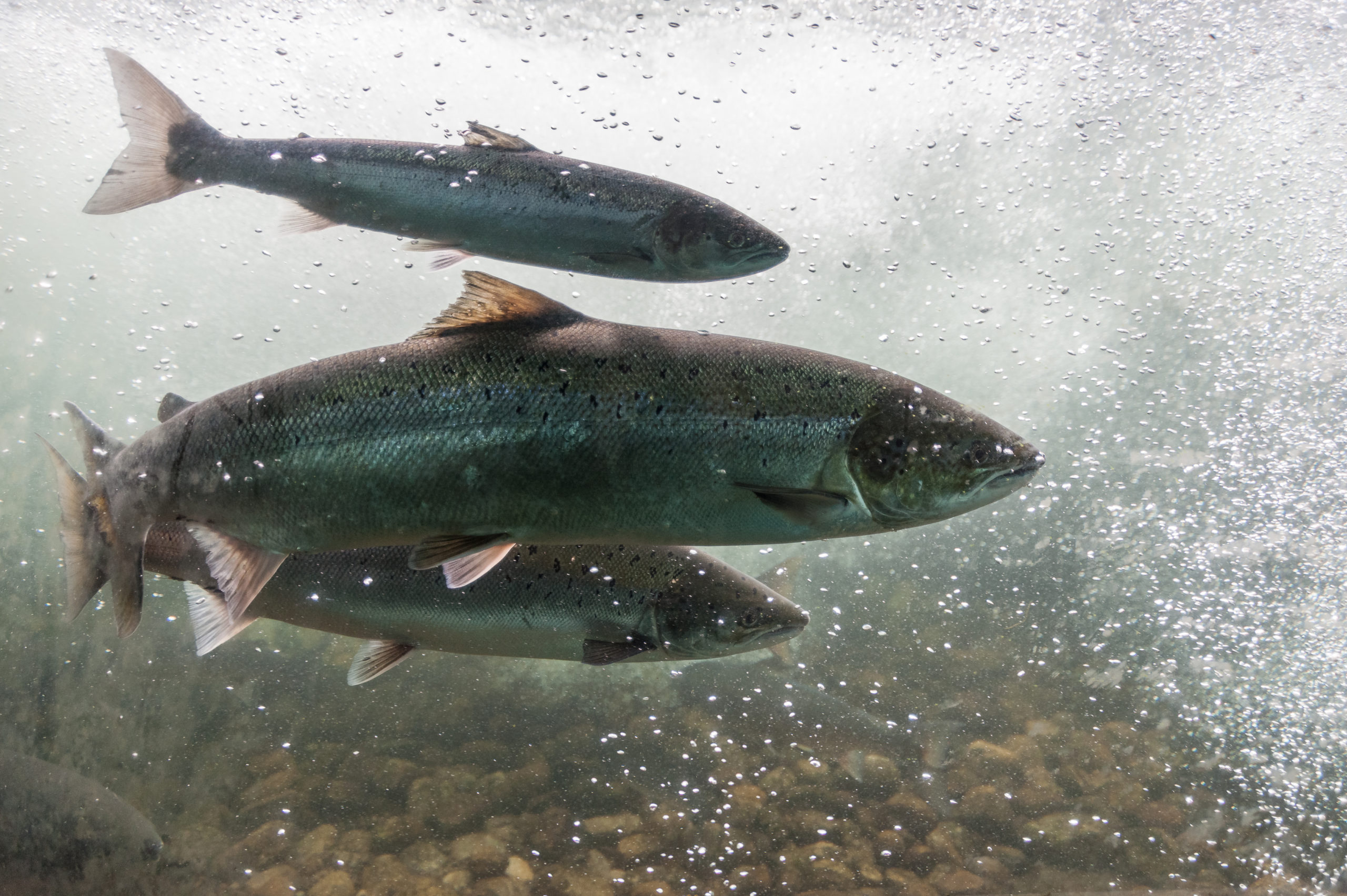
The Lerøy Seafood Company is facing an official investigation following the escape of 14,000 salmon earlier this week. It was later learned that some of the fish were infected with...
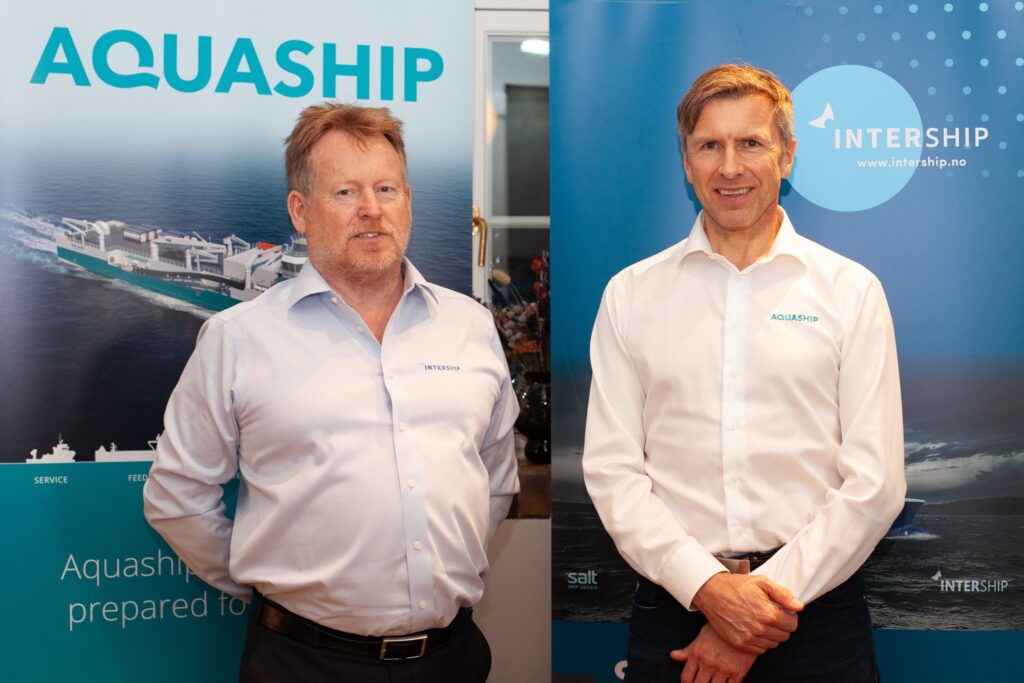
New CEO for merged Intership/Aquaship
Intership and Aquaship, the aquaculture support services businesses which merged in December last year, have announced a change at the top of management and a name for the combined company:...


NEWSLETTER
Stay in touch with the latest developments from Fish Farmer and subscribe to our online updates
Campaigners challenge ‘protected’ rule change for Scottish salmon
Environmental charity Wildfish has formally appealed against a change in the rules on what can be called “Scottish salmon”. Last month the UK Government approved a request to amend the...
Escaped Lerøy salmon may be diseased, experts fear
Some of the fish that escaped from a Lerøy Seafood facility in Norway could be carrying serious diseases, it is being reported. Some 14,000 salmon with an average weight of...
Norway’s biological issues cut into Mowi’s Q1 profit
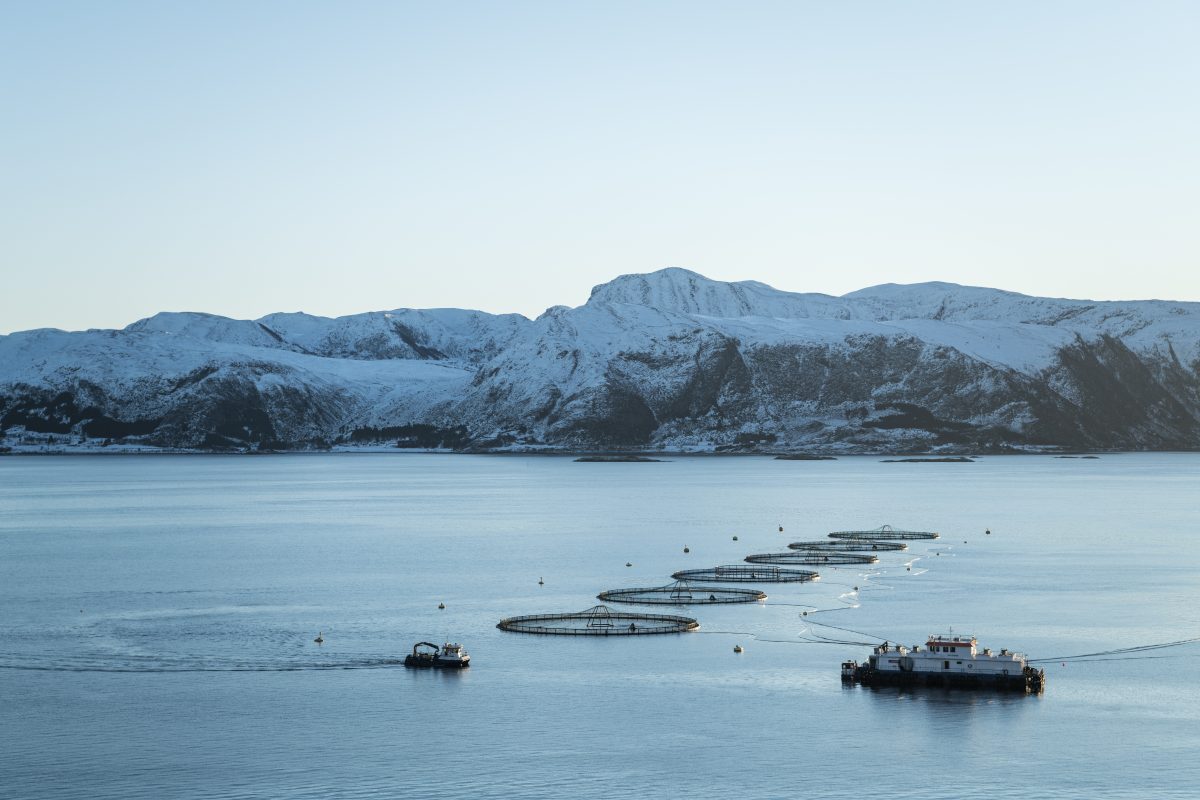
Mowi has today spoken of a biologically challenging 2024 first quarter at its Norwegian farms. The world's largest farmer of Atlantic salmon produced an operational profit or EBIT of €201m...
Mowi Scotland recovery gathers pace
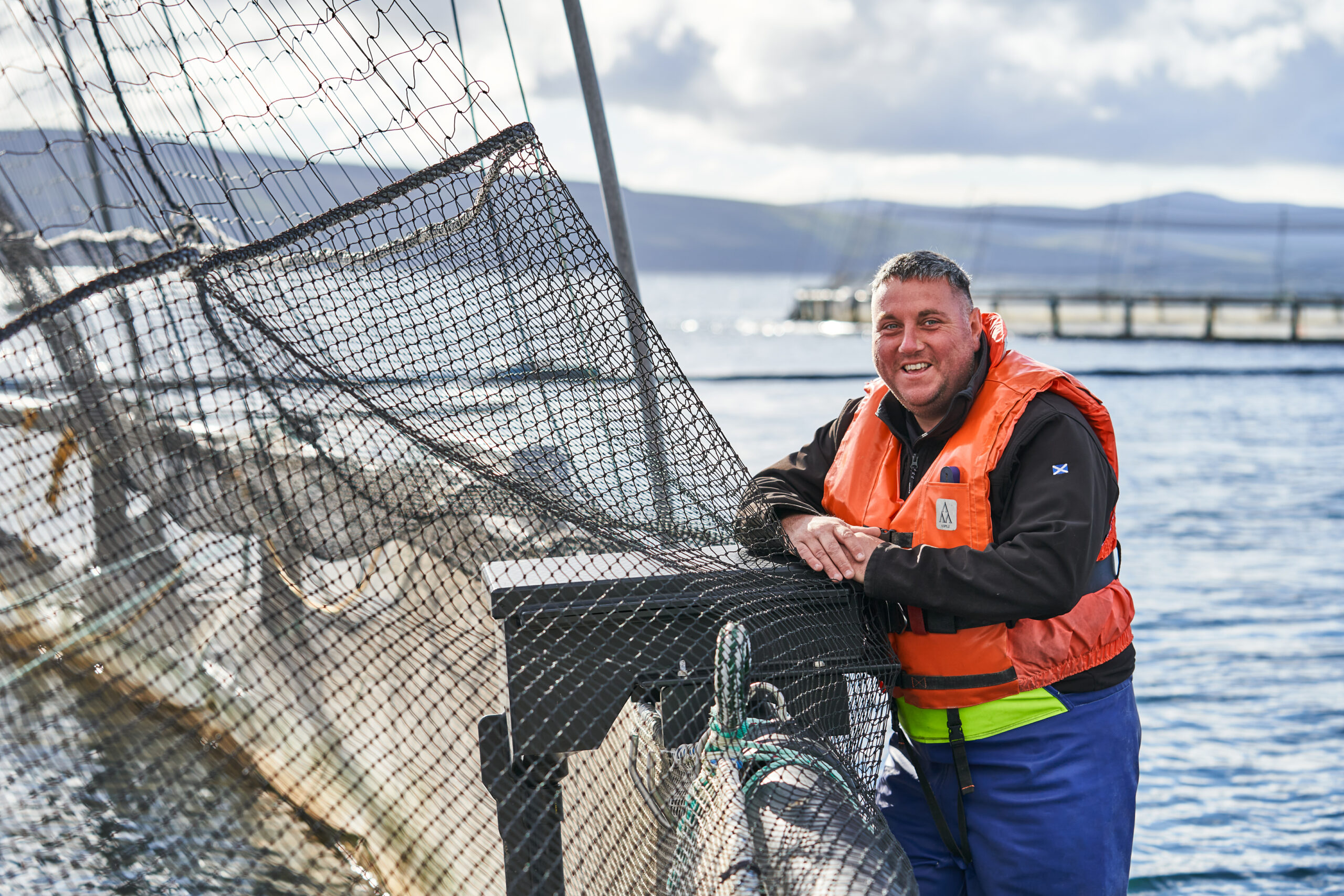
Mowi Scotland is bouncing back from the troubles which have hit financial performance recently. Results for the first quarter of this year, published today, show the Scotland division produced an...
Lerøy hit by new salmon escape incident
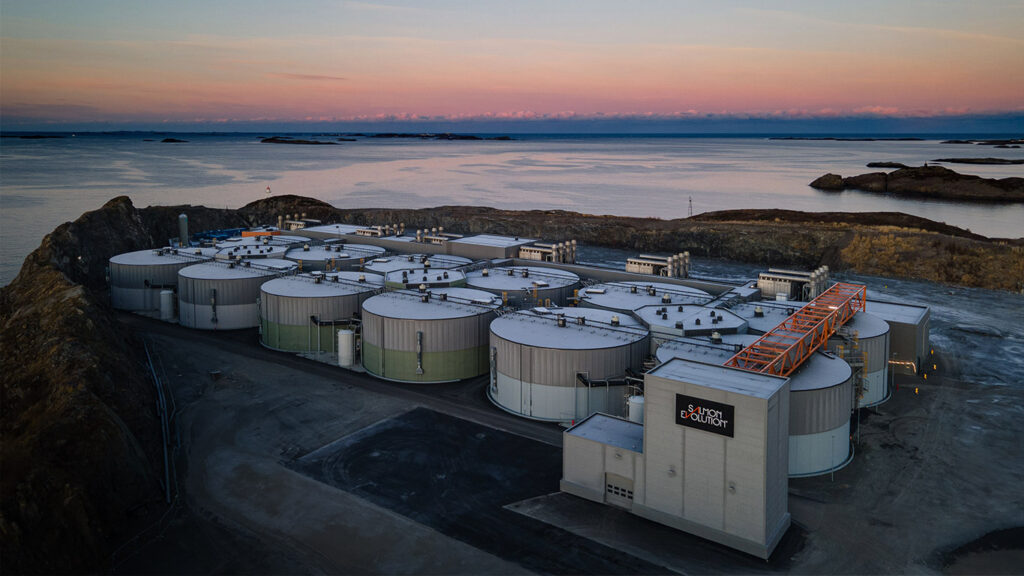
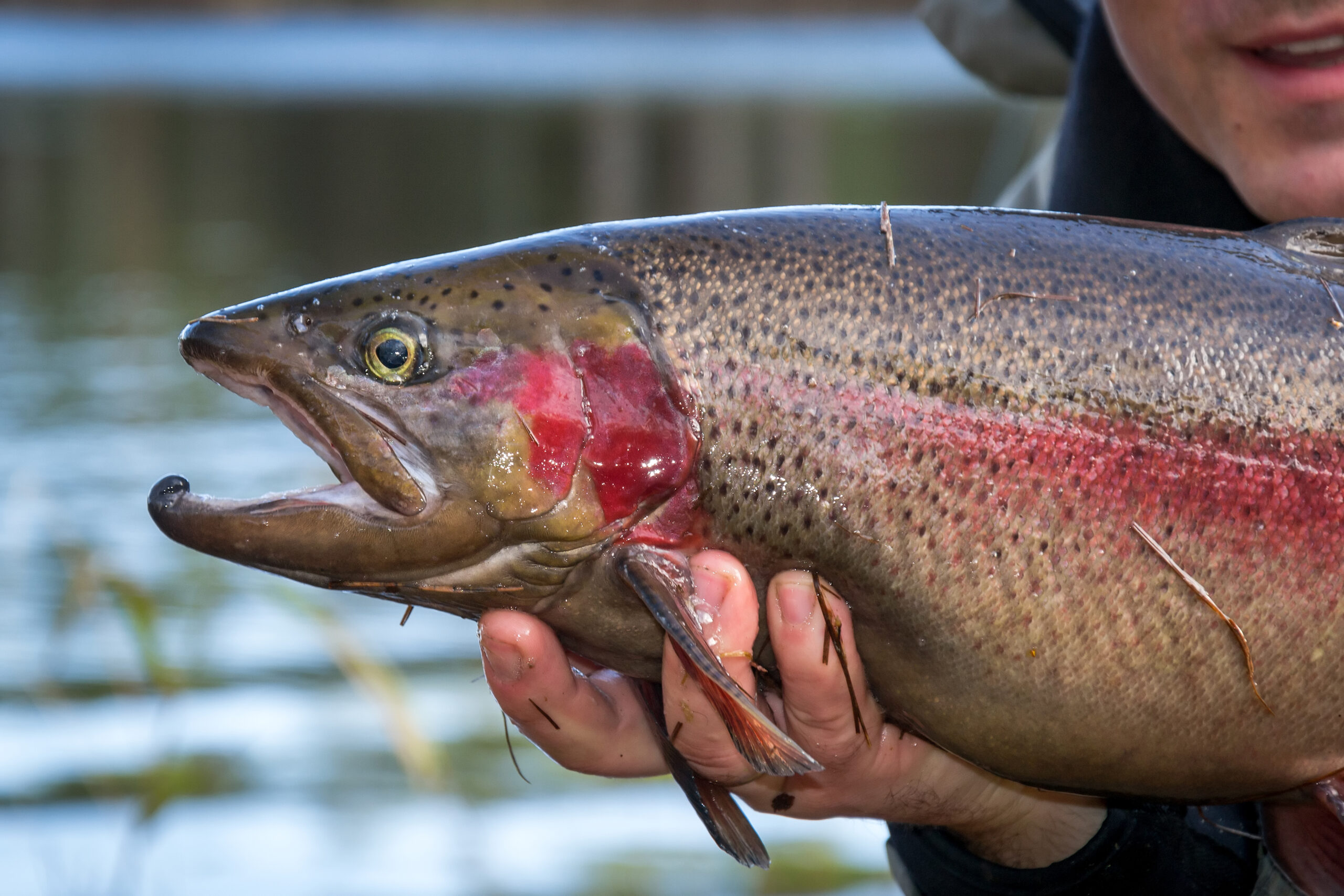
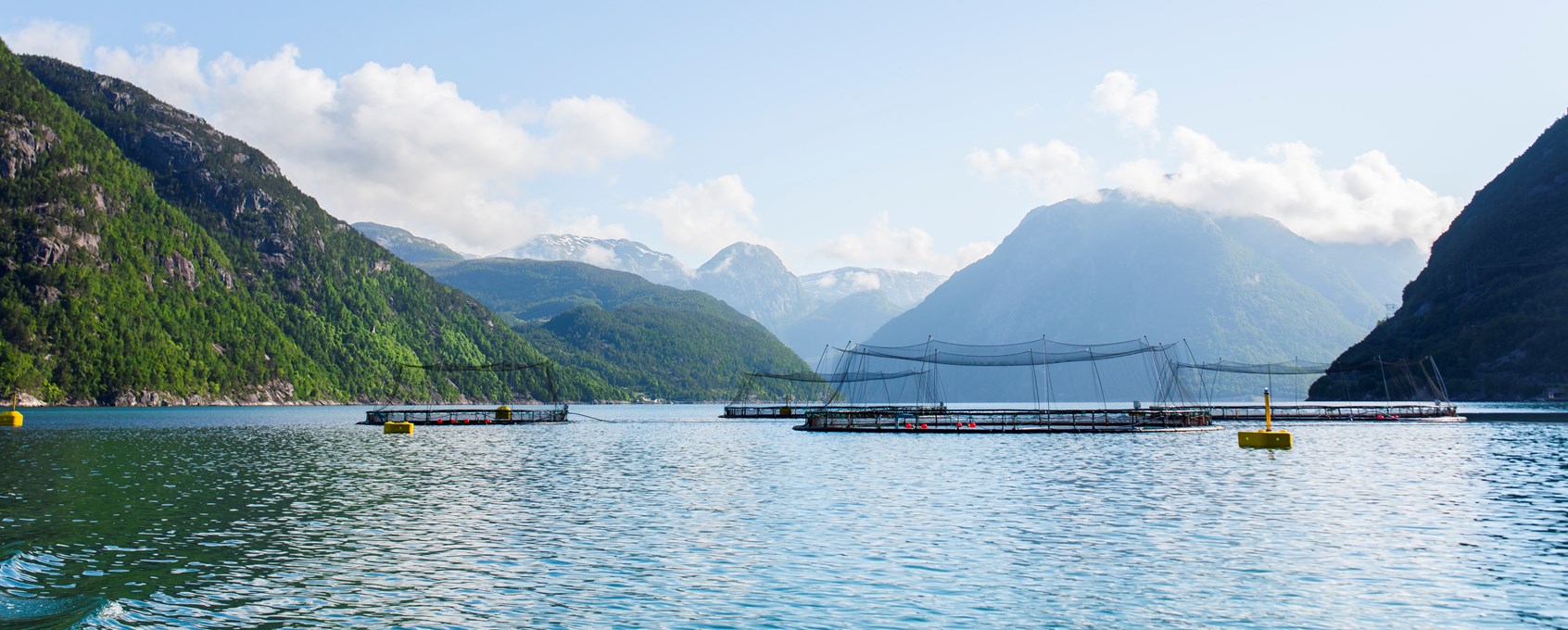
There were more problems for the Lerøy Seafood group today as the company found itself tackling a serious salmon escape. It is feared that an estimated 14,000 fish have got...

Cermaq finance chief moves to Atlantic Sapphire
The Florida land-based salmon company Atlantic Sapphire has appointed a new chief financial officer. The new CFO is Gunnar Aasbo-Skinderhaug who is moving from Cermaq. Atlantic Sapphire said the appointment will...

Norwegian salmon exports return to value growth
Norwegian salmon exports were back on track in value terms last month, reversing the fall seen in March. The value growth, however, was just 2% up on April last year,...
Big jump in Bakkafrost Q1 profit as Scotland continues to improve
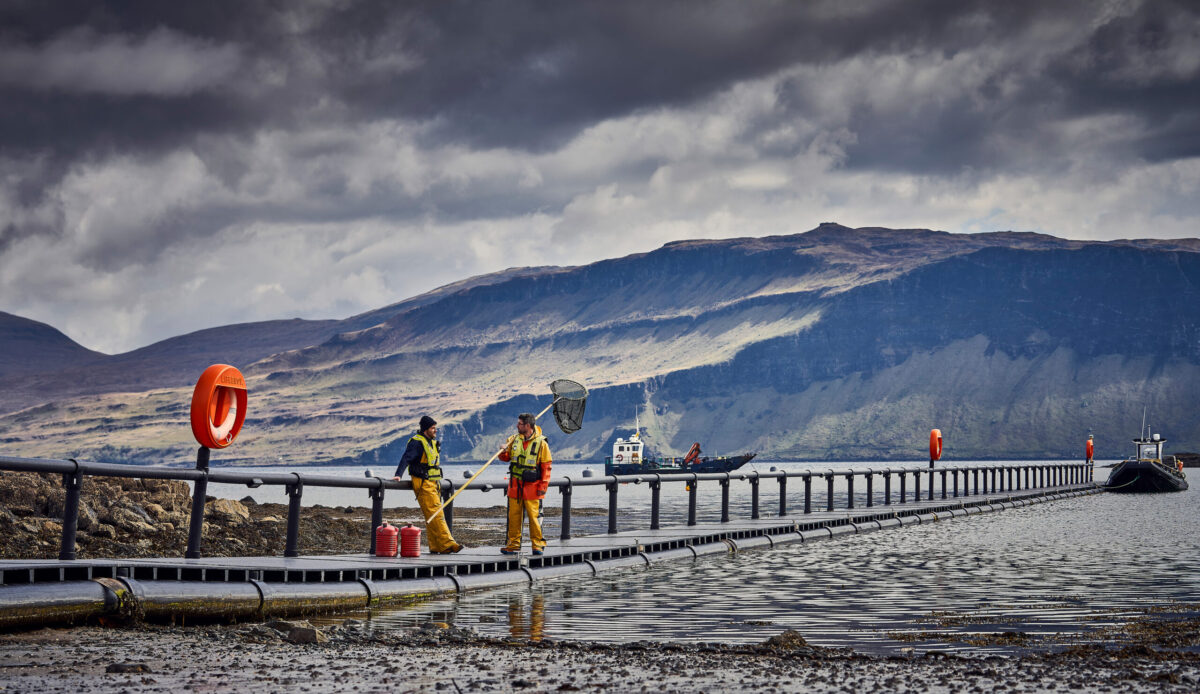
Bakkafrost today announced an increased 2024 first quarter operational profit or EBIT of 710m Danish kroner (£81.7m). The company said biological performance in Scotland is continuing to improve. In fact...
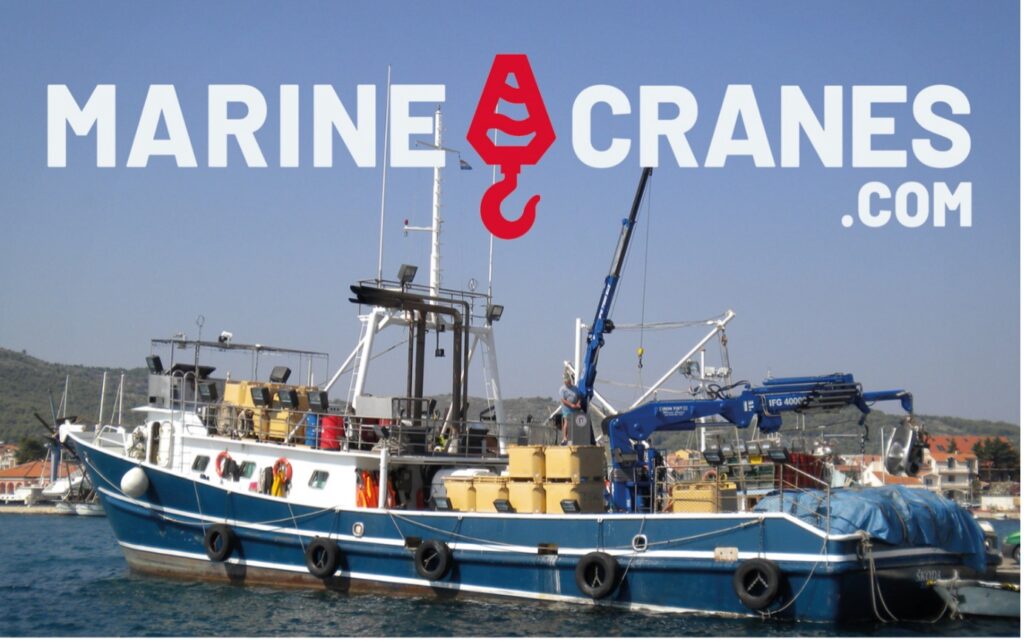
Marine Cranes Ltd launches services and partners with Iron Fist to expand crane distribution for the UK and Ireland
Newly formed Marine Cranes provides servicing, overhaul and sales to the marine industry across the UK and Ireland. It has recently acquired an exclusive dealership with IRON FIST to supply...