NEWS
Escaped Lerøy salmon may be diseased, experts fear
Some of the fish that escaped from a Lerøy Seafood facility in Norway could be carrying serious diseases, it is being reported. Some 14,000 salmon with an average weight of...
Norway’s biological issues cut into Mowi’s Q1 profit
Mowi has today spoken of a biologically challenging 2024 first quarter at its Norwegian farms. The world's largest farmer of Atlantic salmon produced an operational profit or EBIT of €201m...
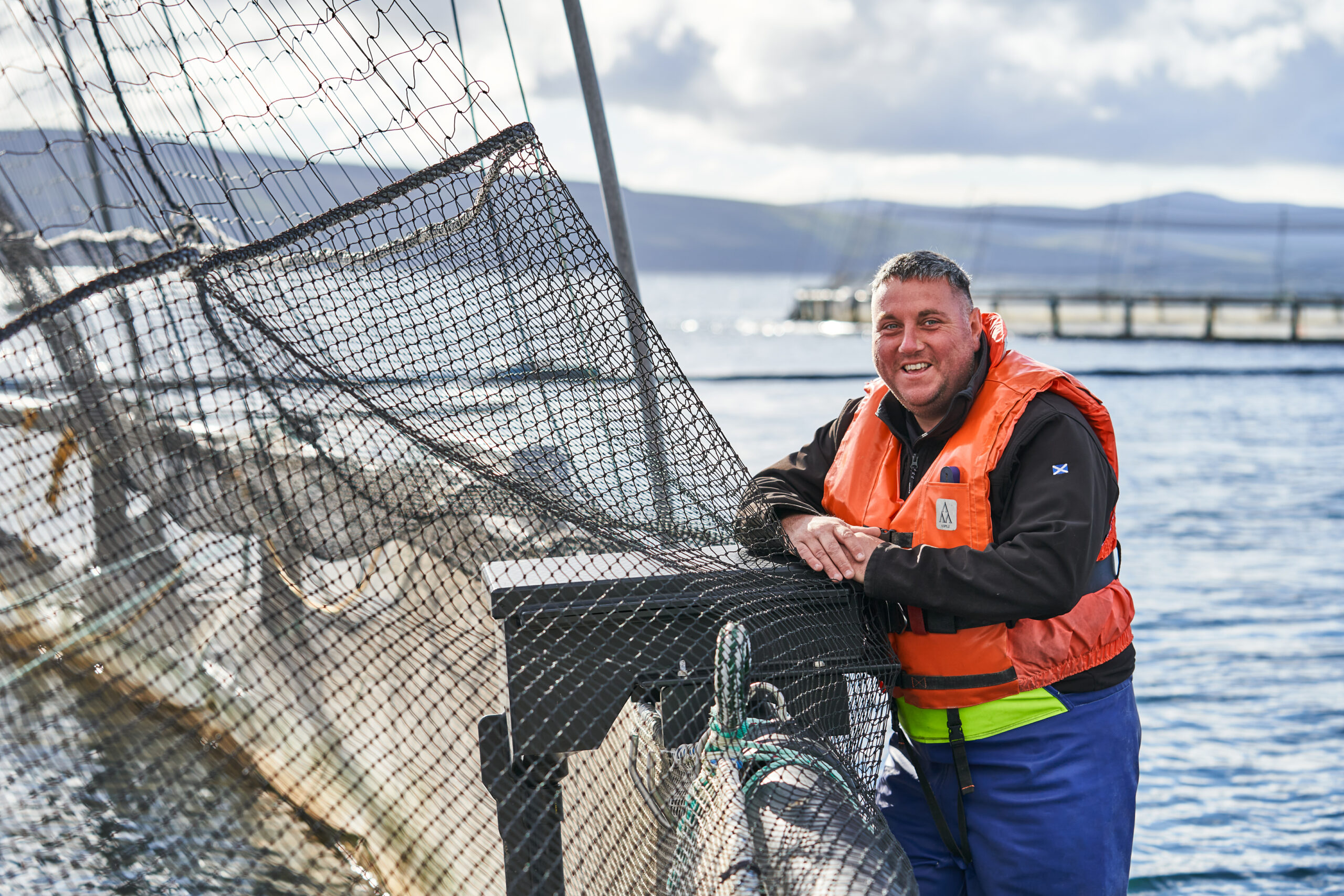
Mowi Scotland recovery gathers pace
Mowi Scotland is bouncing back from the troubles which have hit financial performance recently. Results for the first quarter of this year, published today, show the Scotland division produced an...

Salmon Evolution heads into profit
Land-based salmon farmer Salmon Evolution has reported its first operational profit, in what the company has called a “significant milestone”. The Norway-based producer reported operating revenues of NOK 100.3m (£7.37m)...
NEWSLETTER
Stay in touch with the latest developments from Fish Farmer and subscribe to our online updates
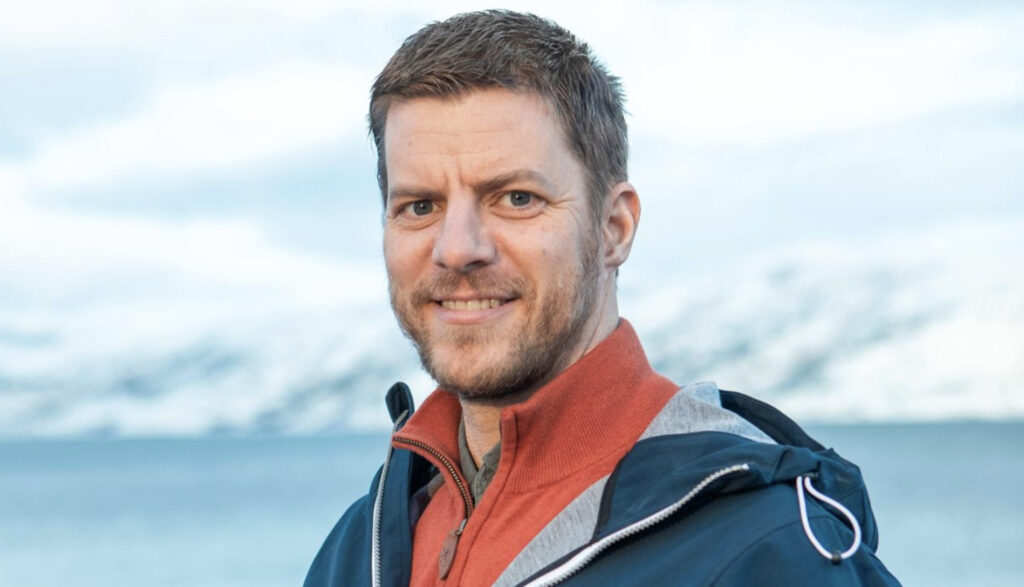
Cermaq finance chief moves to Atlantic Sapphire
The Florida land-based salmon company Atlantic Sapphire has appointed a new chief financial officer. The new CFO is Gunnar Aasbo-Skinderhaug who is moving from Cermaq. Atlantic Sapphire said the appointment will...
Norwegian salmon exports return to value growth
Norwegian salmon exports were back on track in value terms last month, reversing the fall seen in March. The value growth, however, was just 2% up on April last year,...
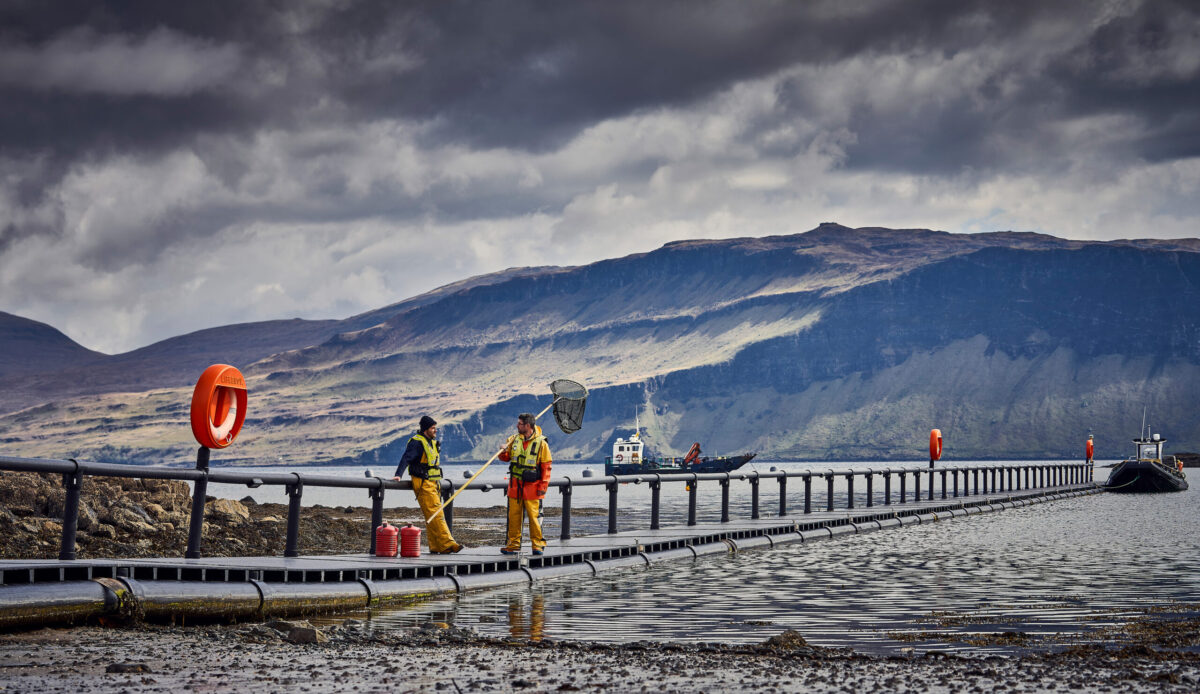
Big jump in Bakkafrost Q1 profit as Scotland continues to improve
Bakkafrost today announced an increased 2024 first quarter operational profit or EBIT of 710m Danish kroner (£81.7m). The company said biological performance in Scotland is continuing to improve. In fact...
Marine Cranes Ltd launches services and partners with Iron Fist to expand crane distribution for the UK and Ireland
Newly formed Marine Cranes provides servicing, overhaul and sales to the marine industry across the UK and Ireland. It has recently acquired an exclusive dealership with IRON FIST to supply...

Royal College honour for Dr Iain Berrill
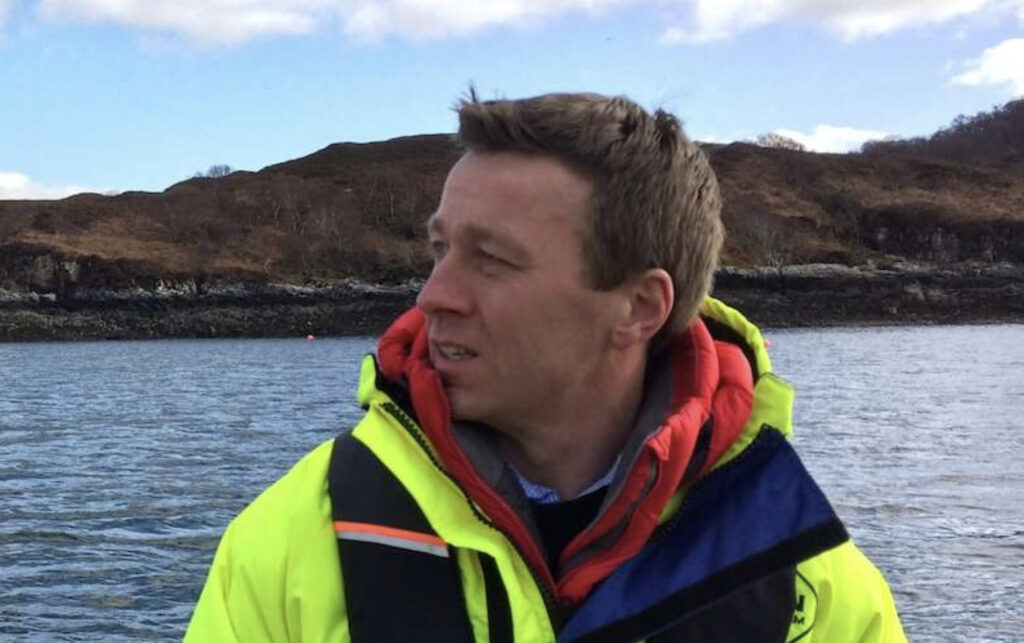
Dr Iain Berrill, Head of Technical at industry body Scottish Salmon, is one of three leading professionals to be made an Honorary Associate of the Royal College of Veterinary Surgeons...
Speakers confirmed for SAGB Conference
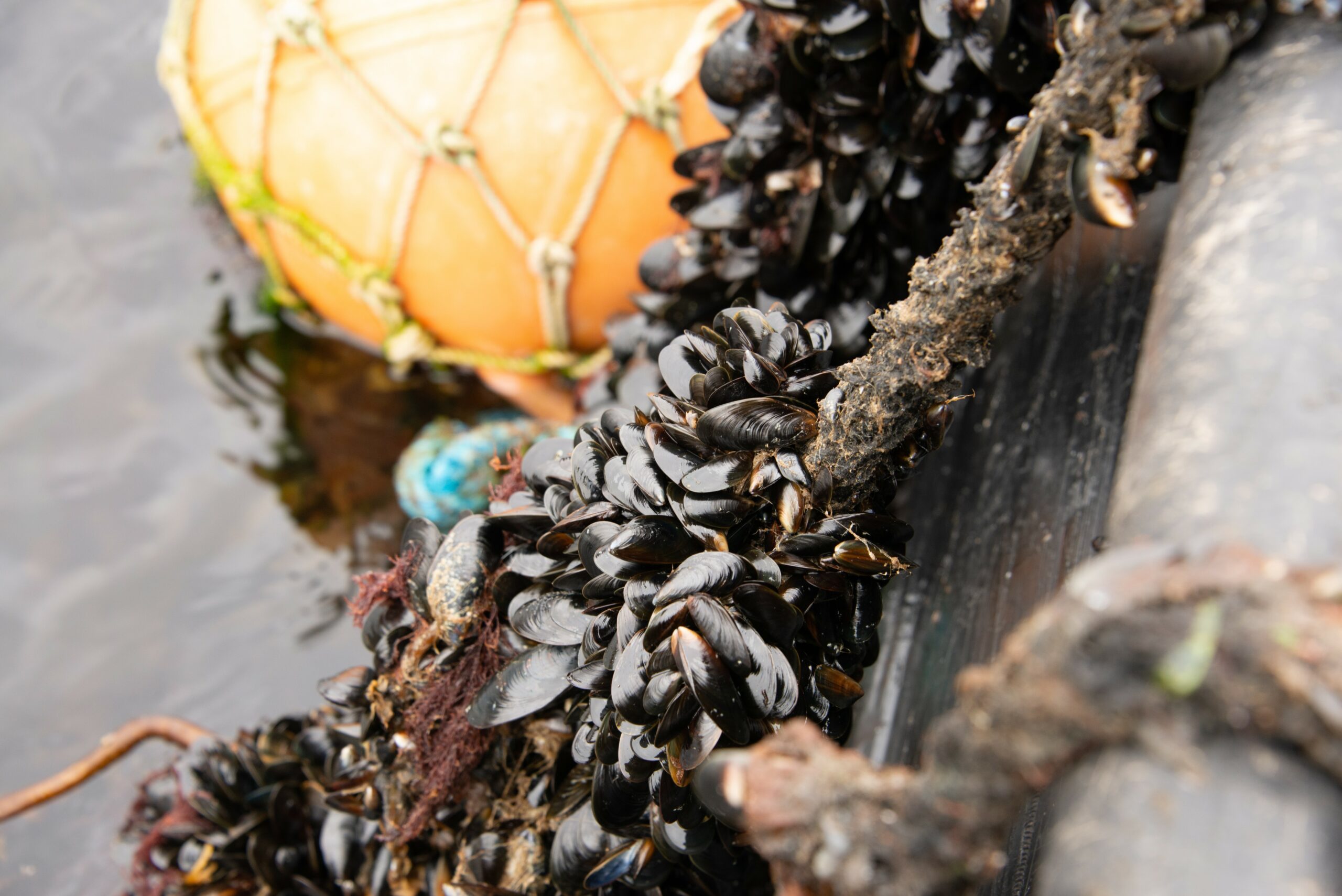
The British shellfish sector will be returning in force to London this month for the 54th Annual Conference of the Shellfish Association of Great Britain. This year’s conference is being...
Mair named as Sanford CEO
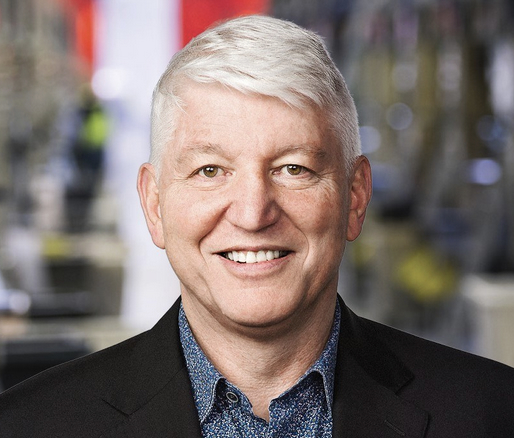
New Zealand seafood group Sanford has appointed David Mair as its CEO, with immediate effect. Mair was previously CEO of New Zealand-based engineering firm Skellerup Holdings, a post he stepped...
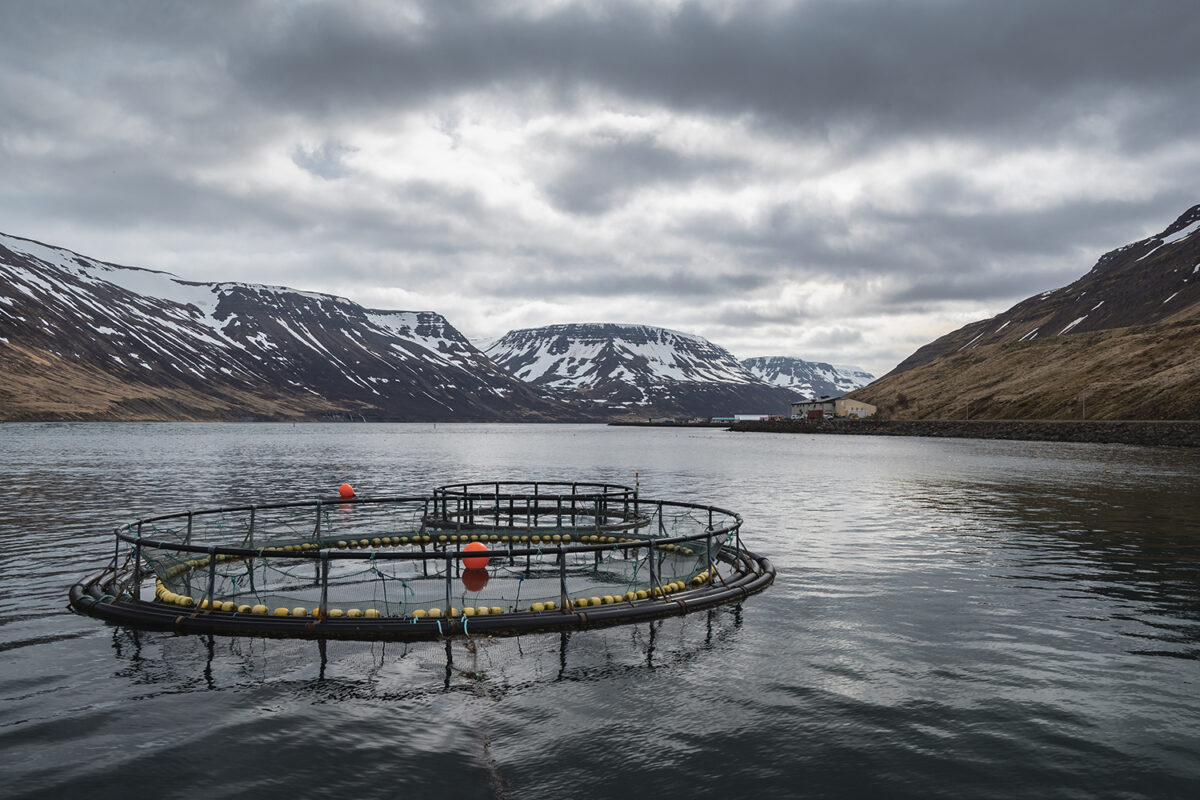
Row over fjord salmon licences erupts in Iceland
A political row has broken out in Iceland over the granting of new fjord farming licences to the country’s salmon companies. The government has been accused of giving away the...