NEWS
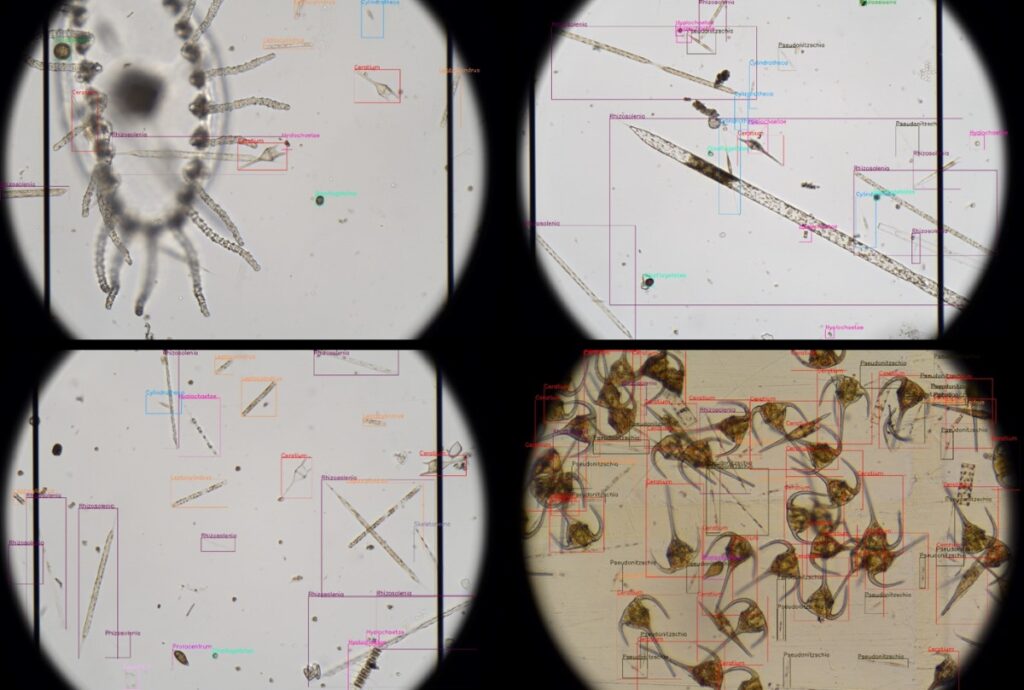
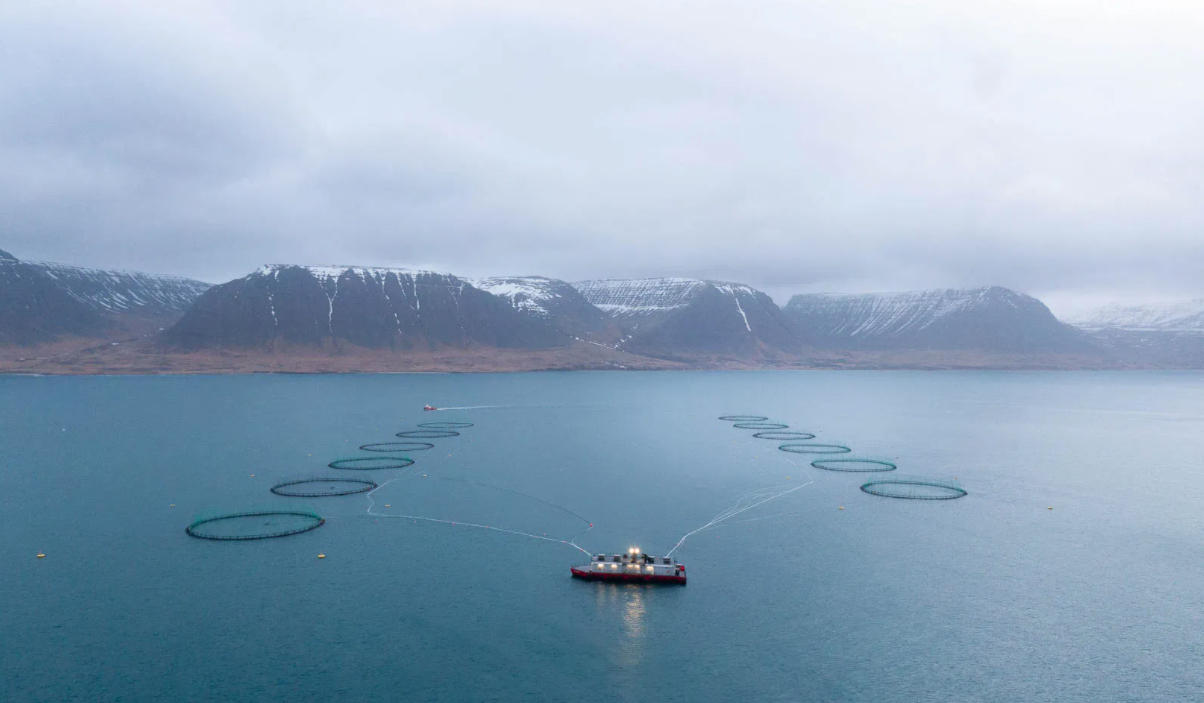
OTAQ looks to raise up to £2m in loan capital
Marine technology business OTAQ is planning to raise between £1.5m and £2m through an issue of convertible loan notes. The announcement comes alongside the company’s latest trading update, which reports...
Warmer Waters
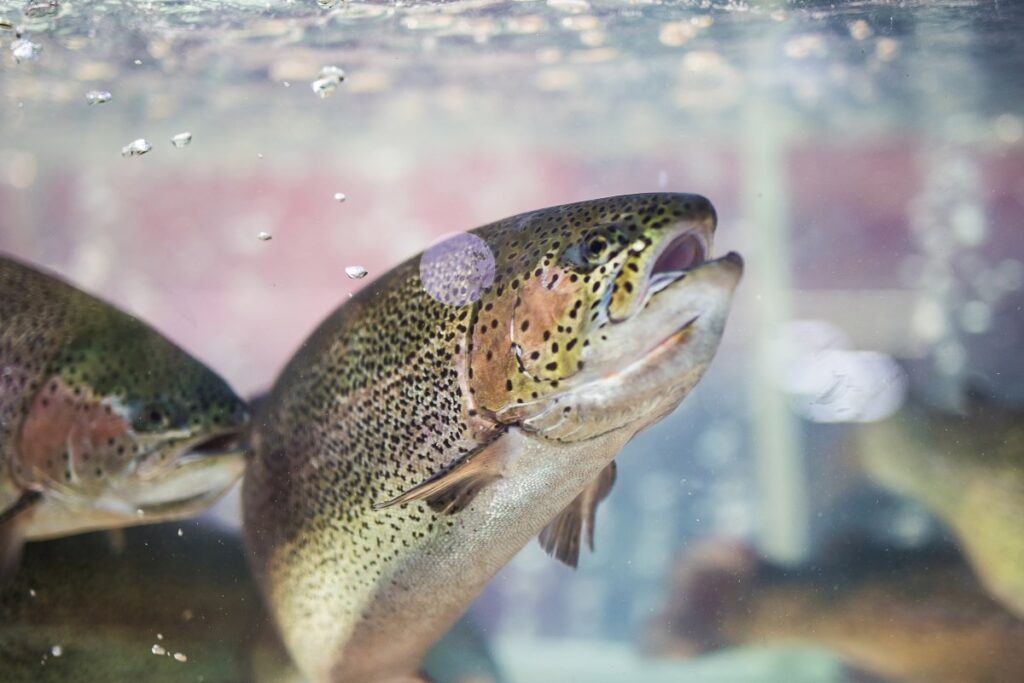
Our roundup this month covers thermal stress, a mystery parasite and why your sunscreen might be bad for marine life Climate change is making our seas warmer. This much is...

Lerøy escape numbers far less than feared
The number of fish that escaped from a Lerøy Midt salmon farm in Norway is estimated to be considerably less than first thought. Reports earlier this week suggested that 14,000...

Feed joint venture to spend £70m on ‘green’ vessels
Two ultra-modern vessels have been commissioned for the Norwegian feed transport company Fjordfrende, which is jointly owned by Skretting and Cargill. The boats are due to be delivered in 2026...

NEWSLETTER
Stay in touch with the latest developments from Fish Farmer and subscribe to our online updates
Grieg Q1 profits hit by biological problems
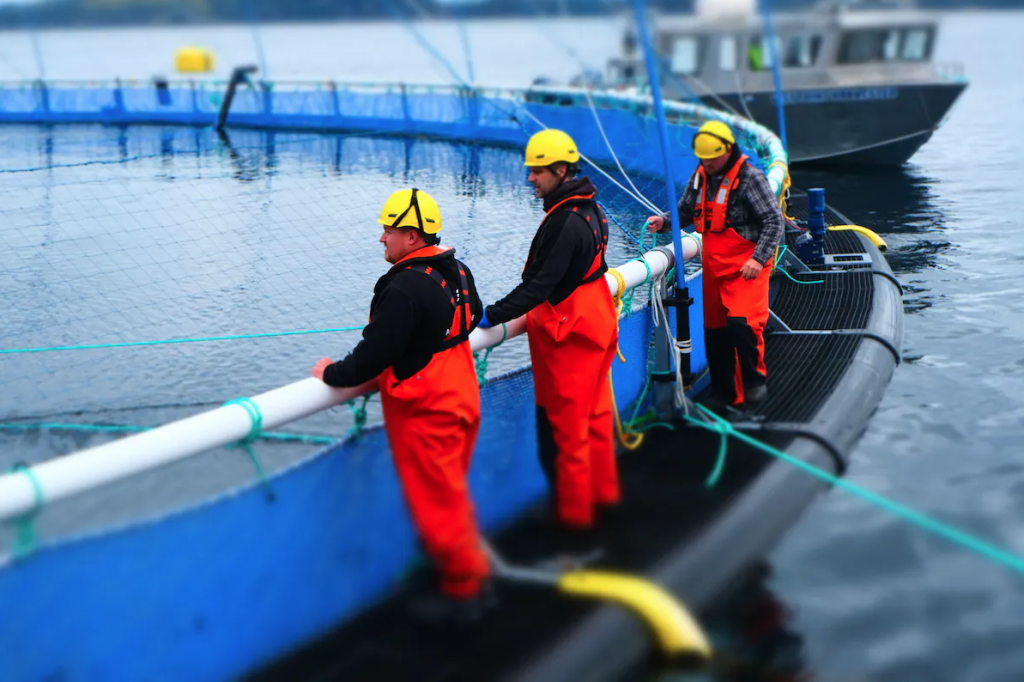
Norwegian and Canadian salmon farmer Grieg Seafood has reported a near £7m drop in operating profits for 2023. They were pushed down in large part by serious biological problems in...
Former Wester Ross MD, Bakkafrost and Mowi among the winners in Aviemore
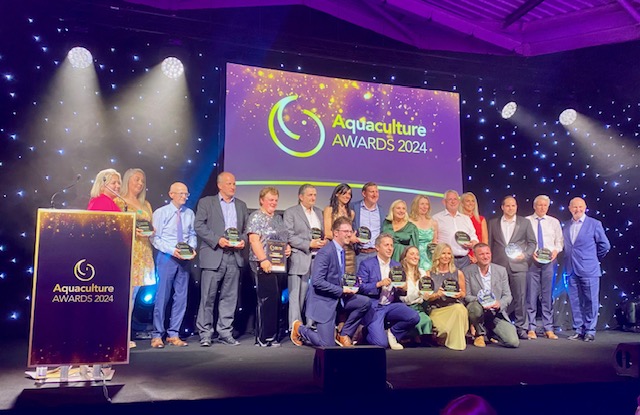
Gilpin Bradley, the former Wester Ross Fisheries Managing Director, has been honoured at the Aquaculture Awards 2024 for his outstanding contribution to the industry. The Outstanding Contribution award was sponsored...
Leading politicians back aquaculture’s future
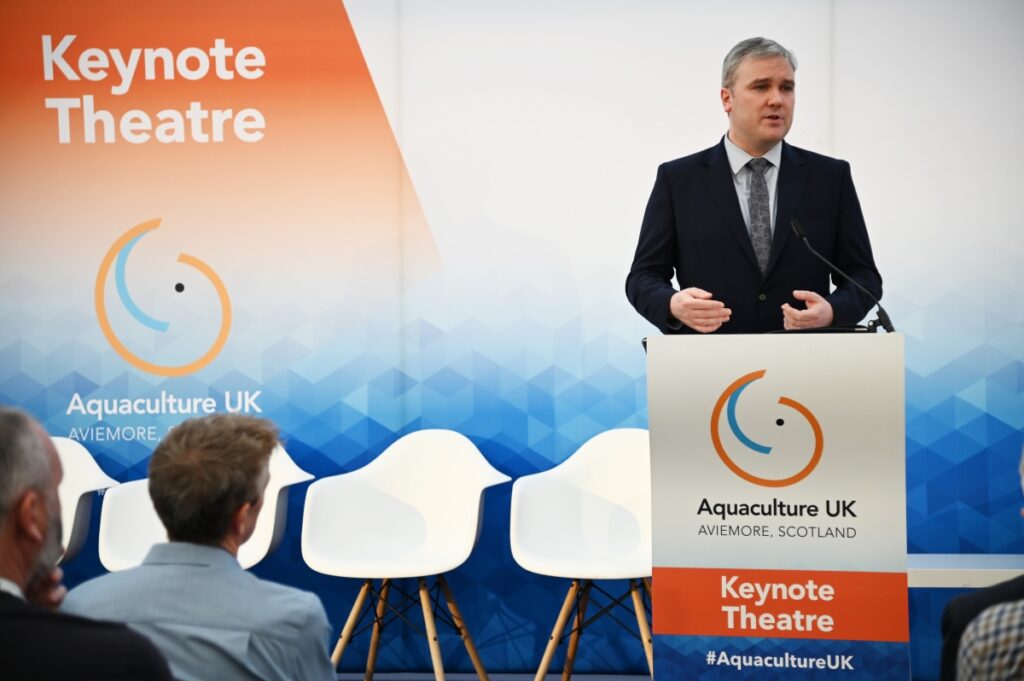
Politicians from two parties have voiced their support for Scotland’s salmon sector at the Aquaculture UK trade show this week. Scottish Labour Leader Anas Sarwar and the SNP’s Employment and...
WiSA in search for new supporter
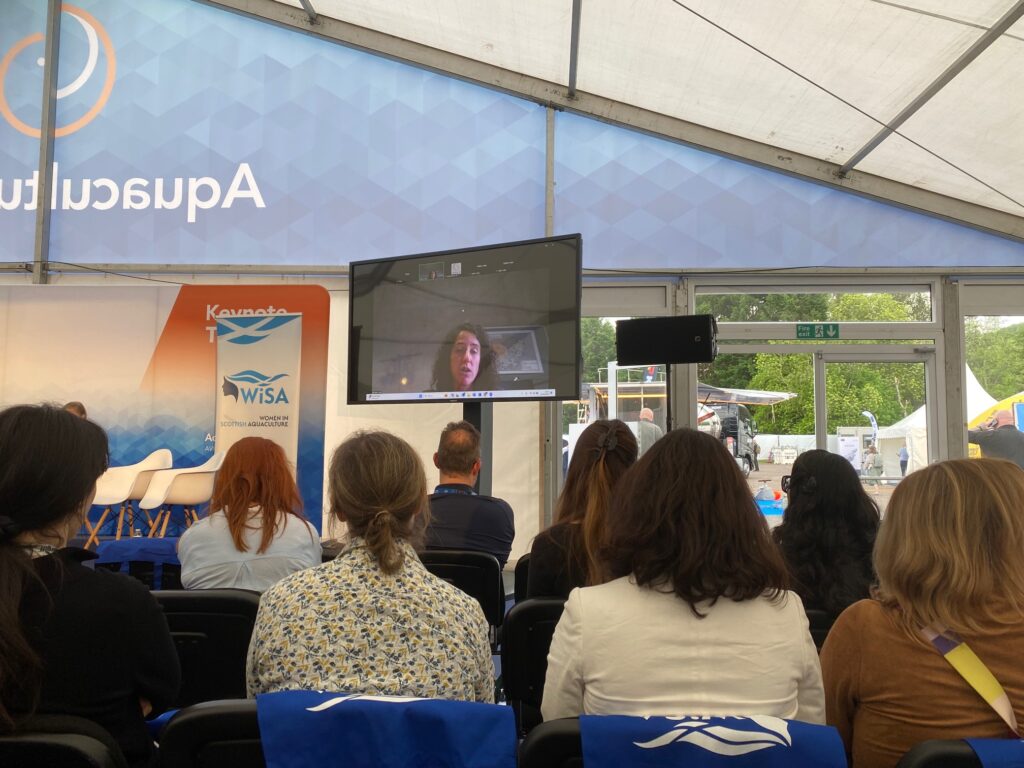
A ground-breaking Scottish organisation set up to encourage and develop women in the aquaculture sector is looking for a lifeline after its founding body has had to step back. Women...

Former Cermaq Chile chief to head Atlantic Sapphire
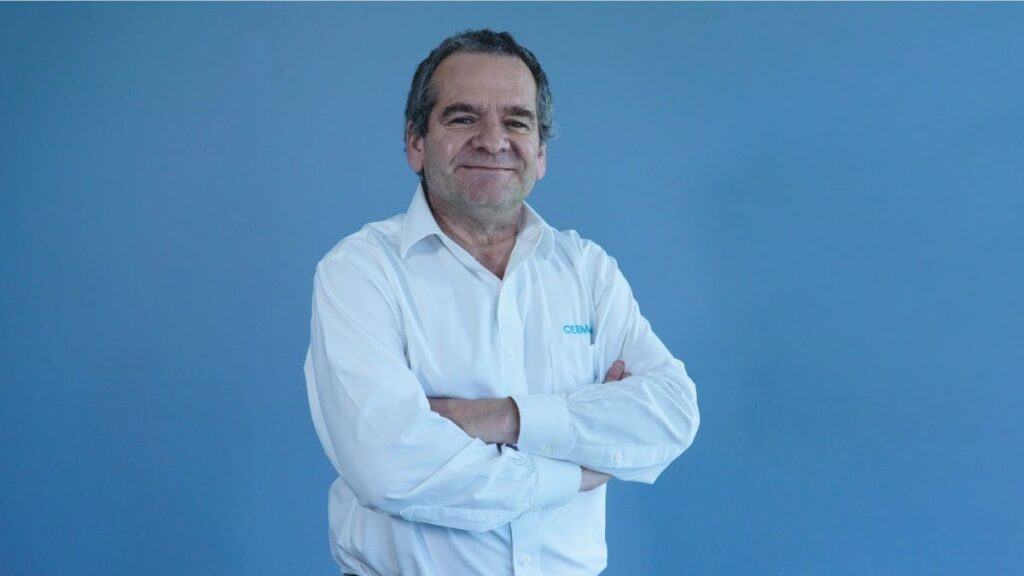
The former head of Cermaq Chile, Pedro Courard, has been named as the next chief executive at land-based salmon farmer Atlantic Sapphire. He will succeed the company’s founder, Johan Andreassen,...
Jellyfish and hard winter hits SalMar Q1 profits
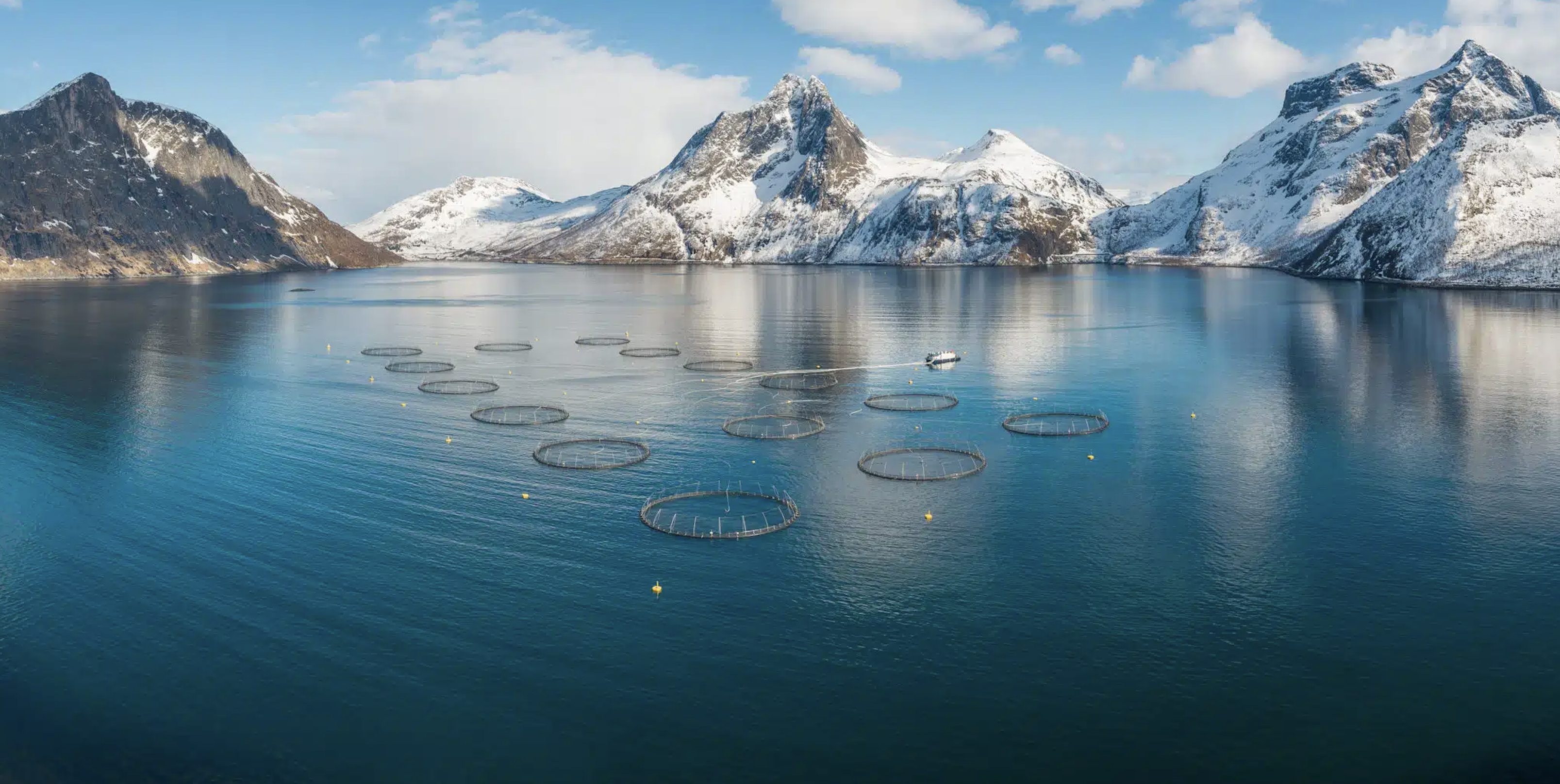
Norwegian salmon giant SalMar continued to be troubled by tough winter conditions and jellyfish attacks during the start of this year, the group’s first quarter results show. These problems, along...
Huge improvement in Q1 performance for Scottish Sea Farms
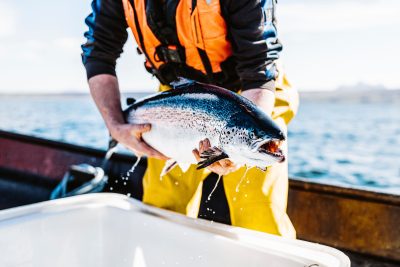
Scottish Sea Farms achieved a tremendous turnaround in its fortunes during the first three months of this year, according to figures today from SalMar, one of its co-owners. The business...
Seagriculture 2024 set to ‘bridge continents’
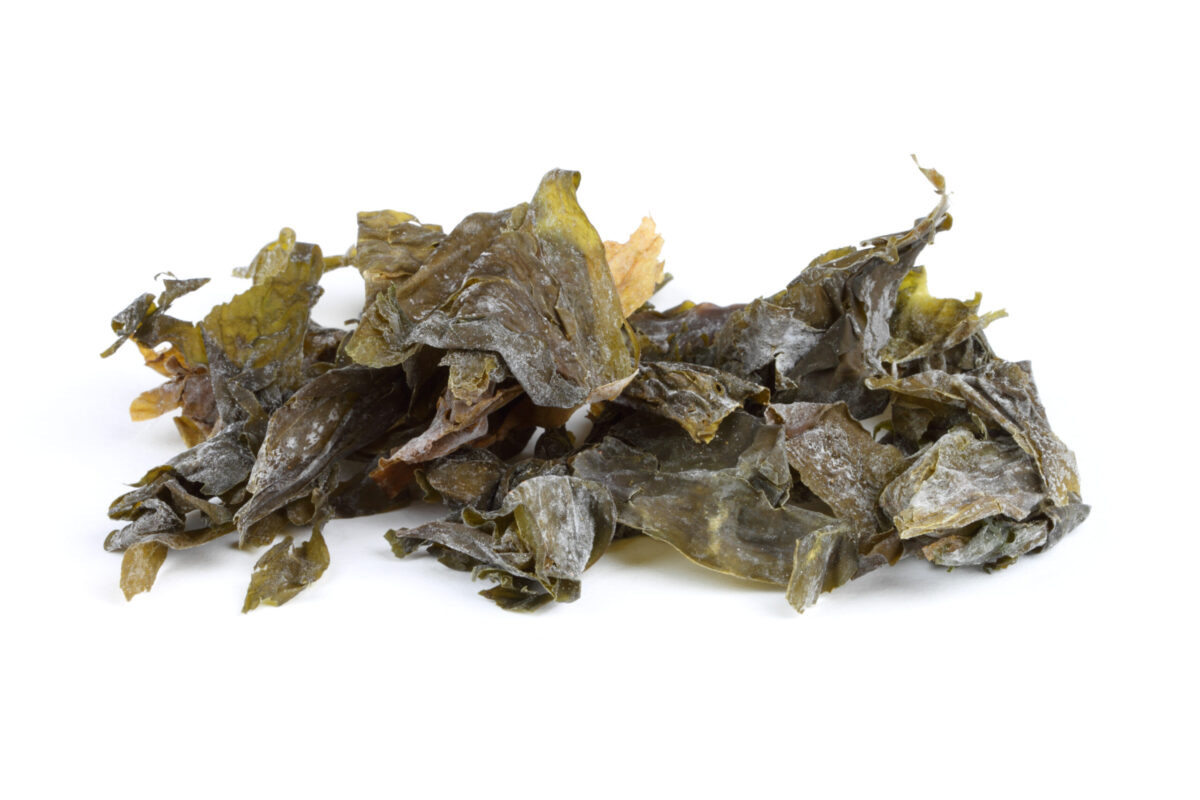
The Seagriculture EU 2024 conference, the leading conference for the seaweed industry, will be taking place in Tórshavn, Faroe Islands from 18 - 20 June 2024. Under the theme, Bridging...