NEWS

European Parliament changes smoked salmon rules despite protests
THE European Parliament has decided to press ahead with a potentially controversial change to the regulations around smoked salmon processing. Objections had been raised by the processing sector but they...

New finance chief for Nordic Halibut
THE fish farming company Nordic Halibut has a new finance chief to help take the company forward. He is Thomas Scheele Berg (pictured) currently with currently serving as an investment...
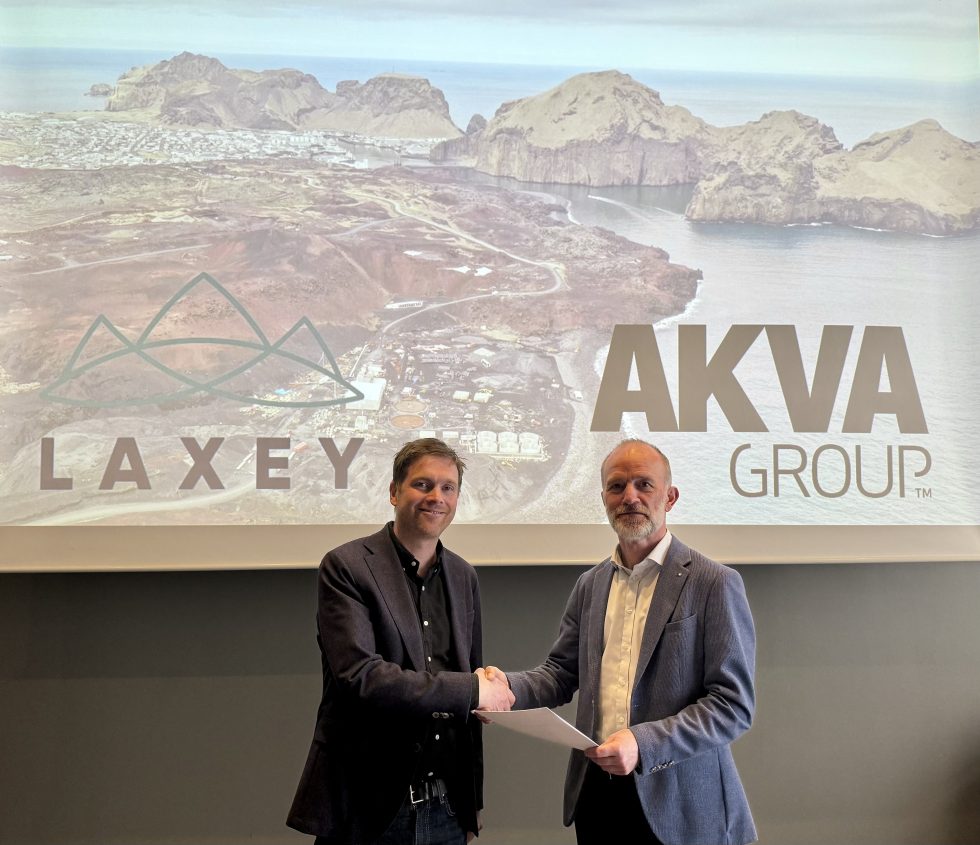
Akva Group wins key Iceland contract
LAXEY, the Icelandic company building a young land based salmon farm in the Westfjords region, has signed a keynote deal with the Akva Group. The agreement will focus on the...
The speed of reaction
Opinion piece by Nick Joy I admit that my mind might not be quite on the job at the moment. Coming back from Sicily by car has been quite an...

NEWSLETTER
Stay in touch with the latest developments from Fish Farmer and subscribe to our online updates
Ready to go
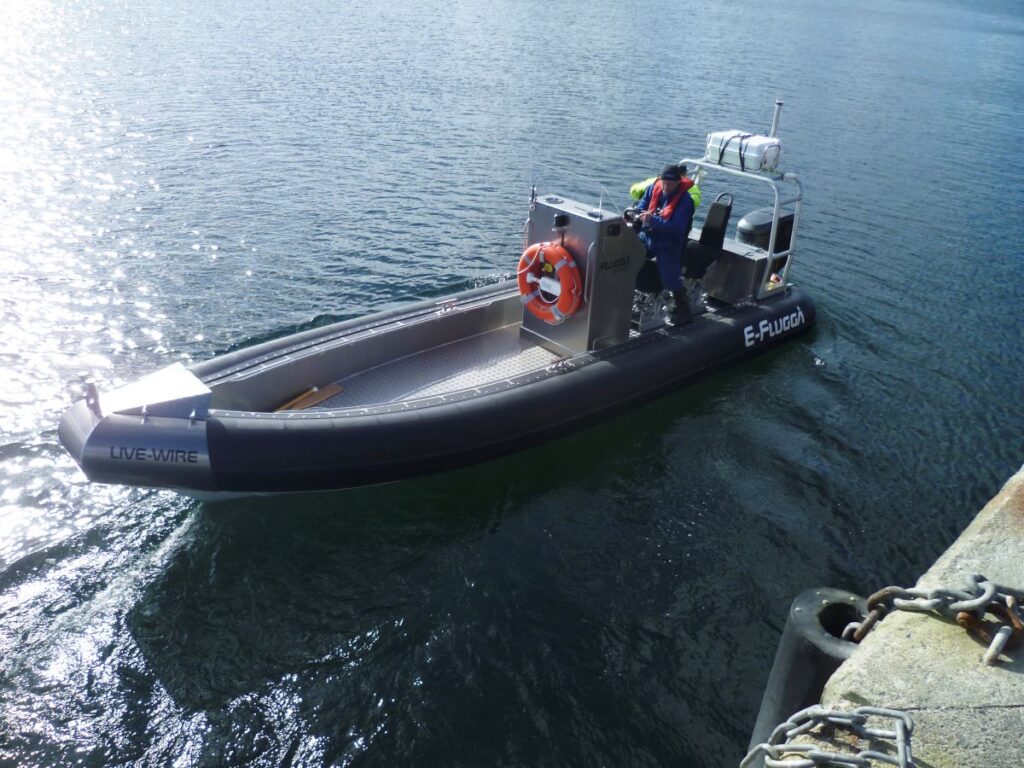
The electric Fluggaboat is coming back to Aviemore Unst Inshore Services Ltd are exhibiting the 100% electric Fluggaboat again at Aquaculture UK 2024. We will also have a representative from...
Southern exposure
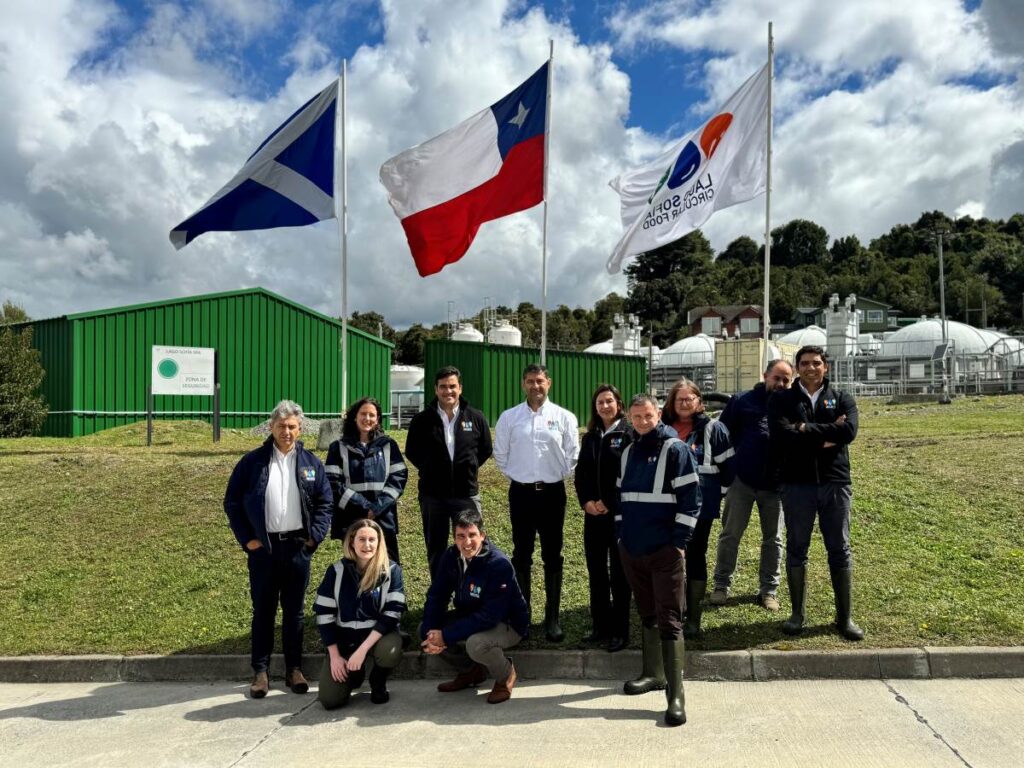
Scotland was well-represented at the Aquasur trade show in Chile, as Mairi Gougeon reports I have recently returned from an official visit to Chile, promoting Scotland’s aquaculture sector and exceptional...

GRP Access Structures for Barcaldine Hatchery
Dura Composites designed and supplied a challenging set of two GRP (glass reinforced polymer) access structures for Barcaldine Hatchery – one at the Vacuum Waste and the other at the...
New vessels in the pipeline for Macduff Ship Design
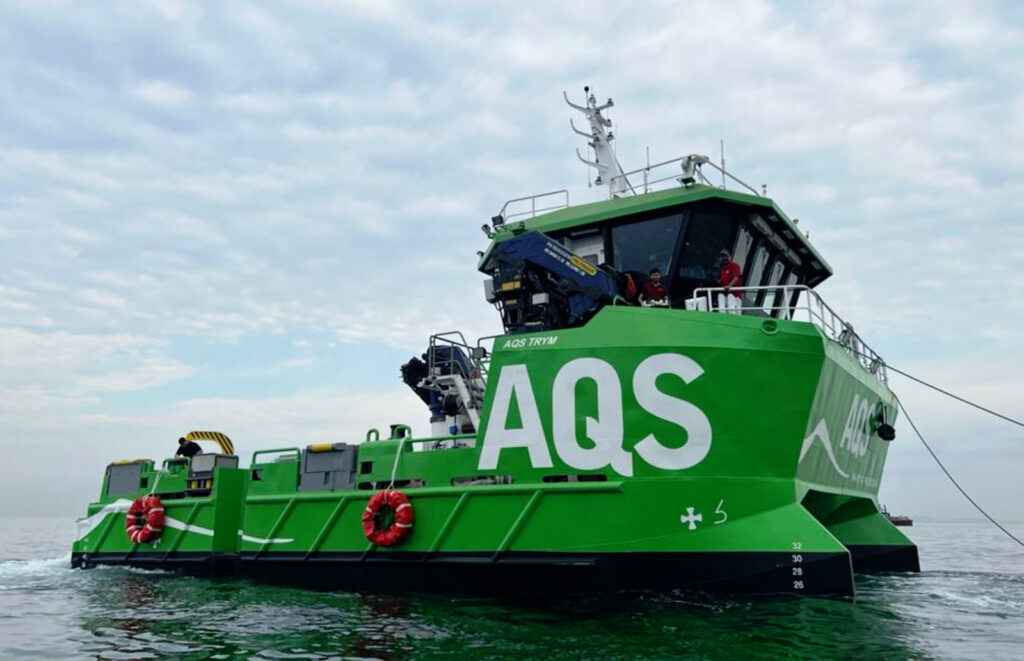
Macduff Ship Design is looking forward to delivery of a number of new-build projects over the coming months, including an innovative 18.5 m battery electric hybrid service catamaran, two mussel...
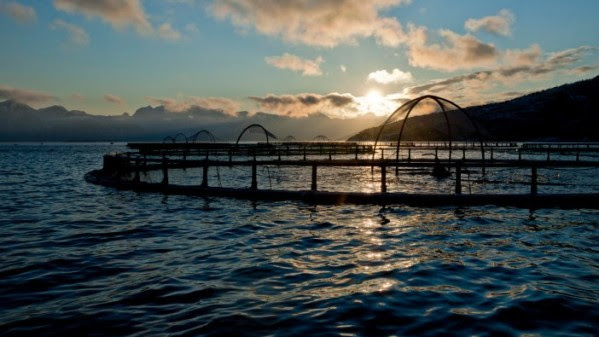



Canada’s Poseidon crosses Atlantic to Norway
The Canadian based aquaculture solutions company Poseidon Ocean Systems is to move into Norway. It has just announced that it is partnering with the Norwegian based technology supplier Fjord Miljo...
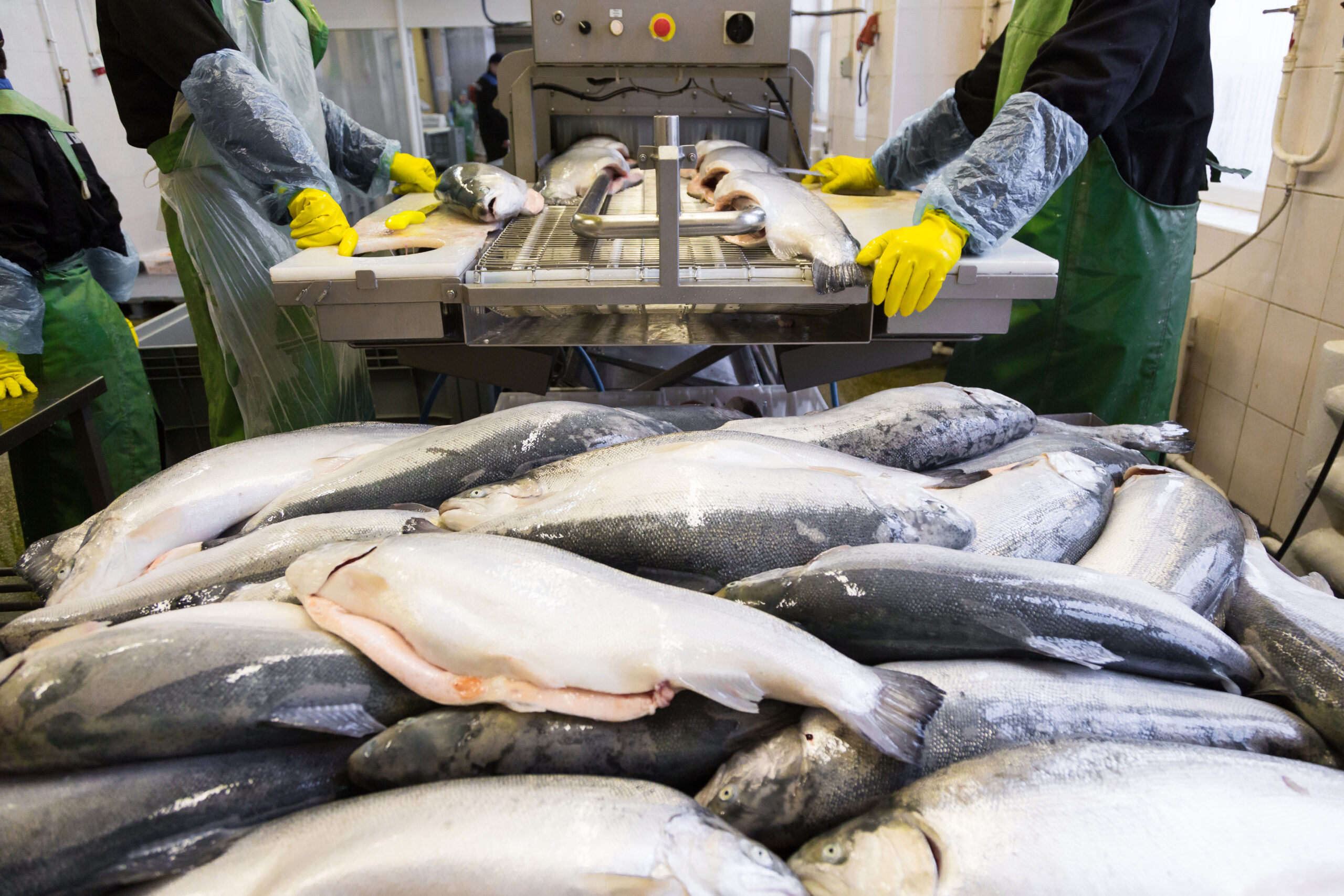
Researchers seek seafood sector insights to unlock by-product prize
Researchers from Aberdeen have put a call out to Scotland’s seafood sector to help understand why the industry could be missing out on netting the full potential of its fish...
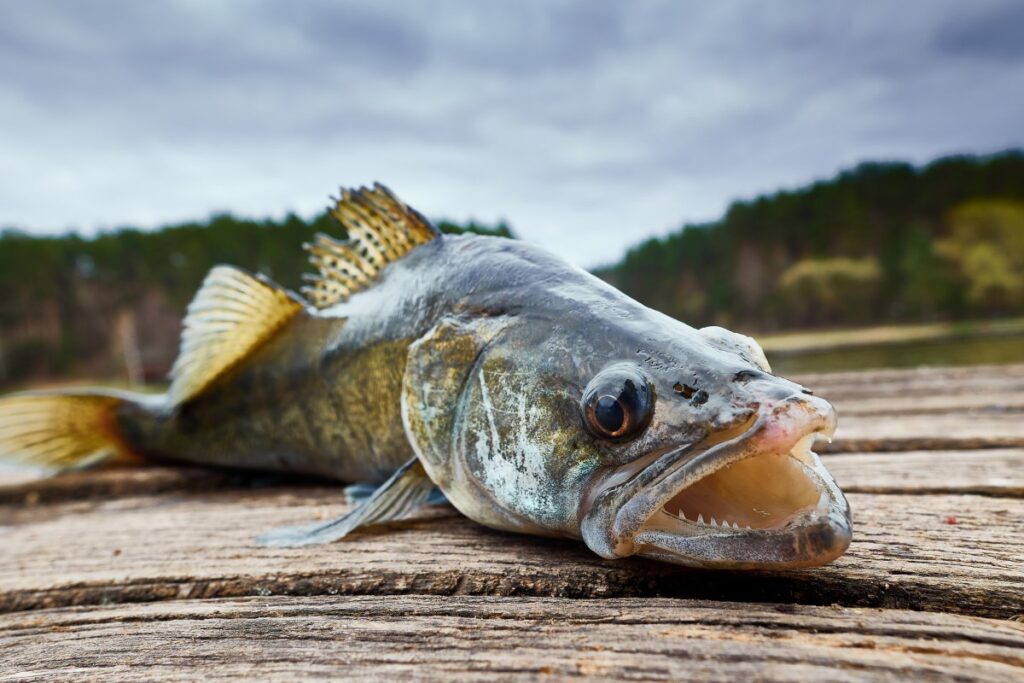
Fit for an emperor
A RAS farm in Germany has been leading the way in raising pike-perch for the table at a commercial scale. Robert Outram reports Mark Saalmann has some advice for any...
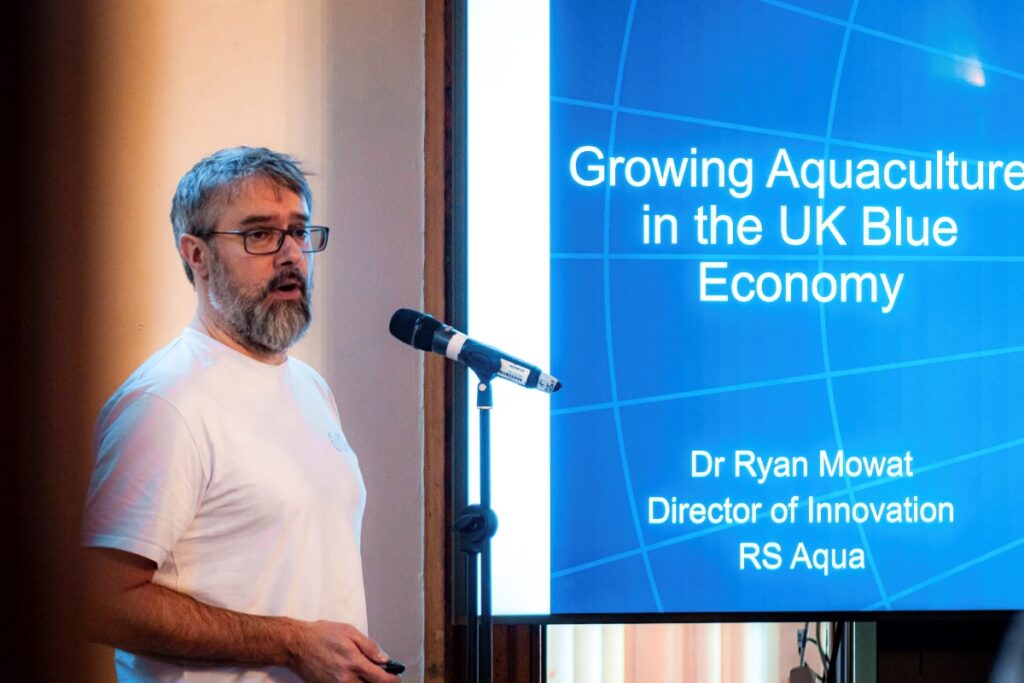
RS Aqua shortlisted in two Aquaculture Award categories
In May all roads lead to Aquaculture UK 2024, where leading aquaculture supplier RS Aqua has been shortlisted for two prestigious awards: “Supplier of the Year” and the “Collaboration award”...