NEWS
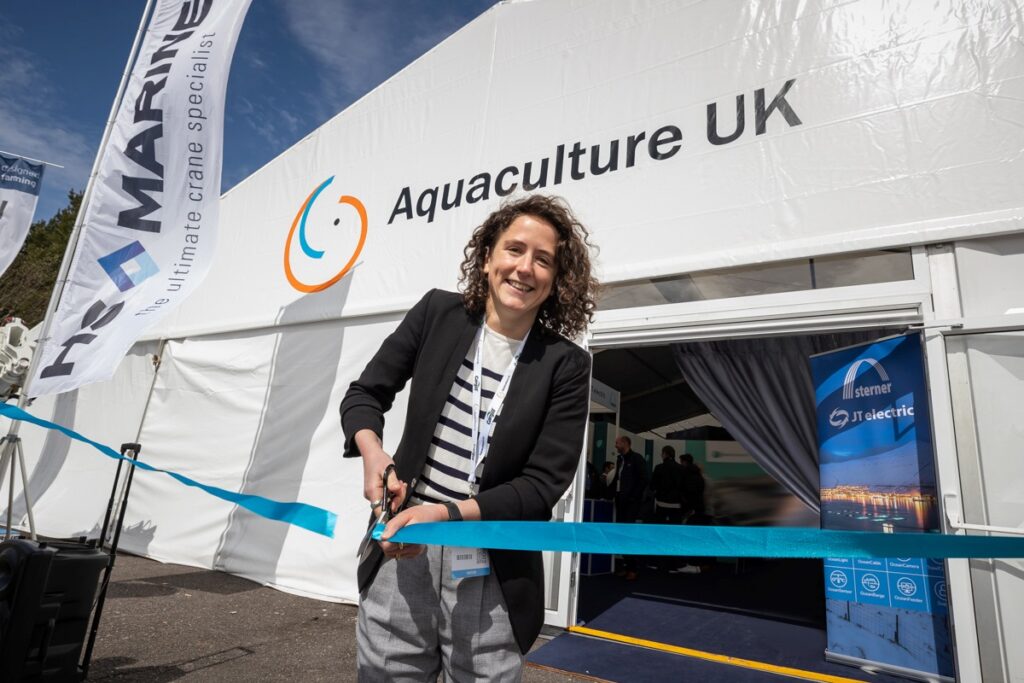
Even more at Aviemore
This year’s edition of the UK’s leading aquaculture trade show promises to be bigger and better than ever This May will see the return of Aquaculture UK, which is once...
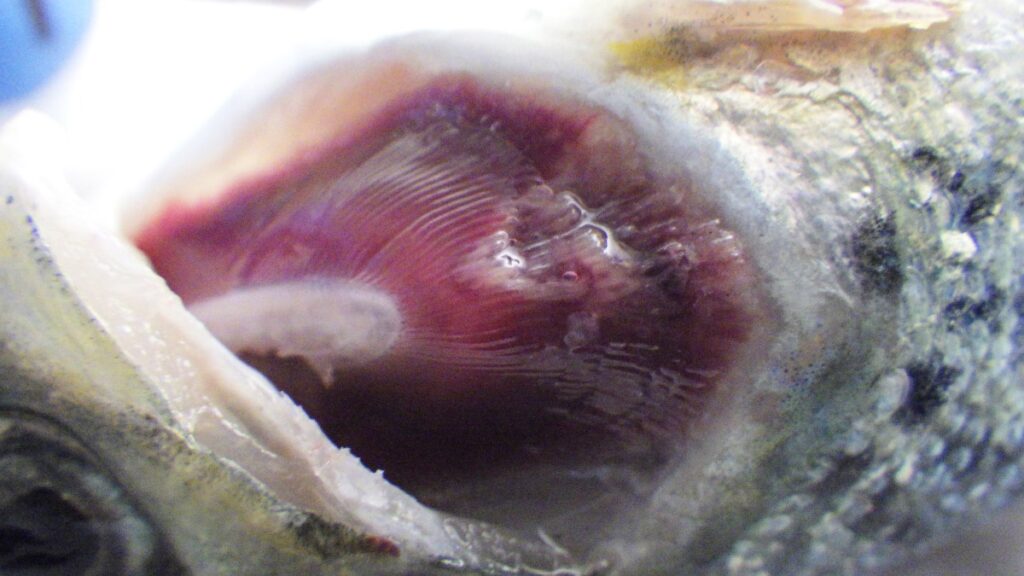
Tenacibaculosis – an alternative approach
The Center for Aquaculture Technologies Canada has launched a tenacibaculosis model to assist farms in combating growing disease challenges In 2023, the Norwegian salmon industry experienced the loss of 62.7...
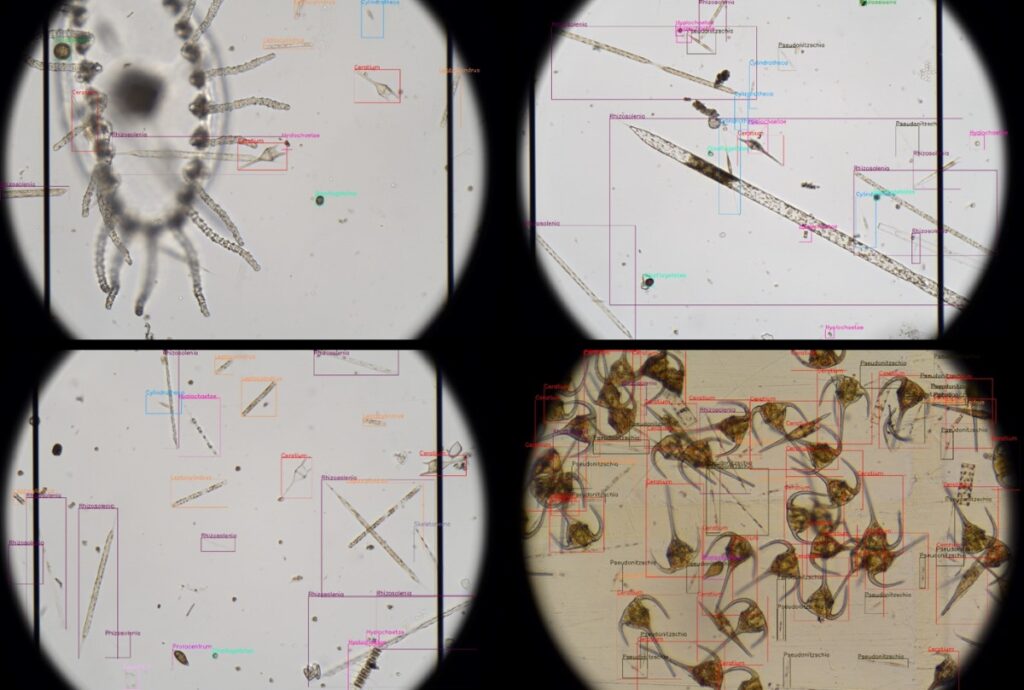
Revolutionising aquaculture safety
OTAQ introduces LPAS to combat harmful algae blooms: a game-changer in aquaculture monitoring Within the aquaculture industry there are increasingly frequent reports of Harmful Algal Blooms (HABS) being responsible for...

BIO-UV and Pinnacle in partnership for ozone treatments
BIO-UV Group has entered into an exclusive partnership agreement with US-headquartered Pinnacle Ozone Solutions to leverage the company’s QUADBLOCK Ozone water treatment products in Europe, Middle East, Africa and Asia. ...


NEWSLETTER
Stay in touch with the latest developments from Fish Farmer and subscribe to our online updates
Aquaculture technology and biosecurity
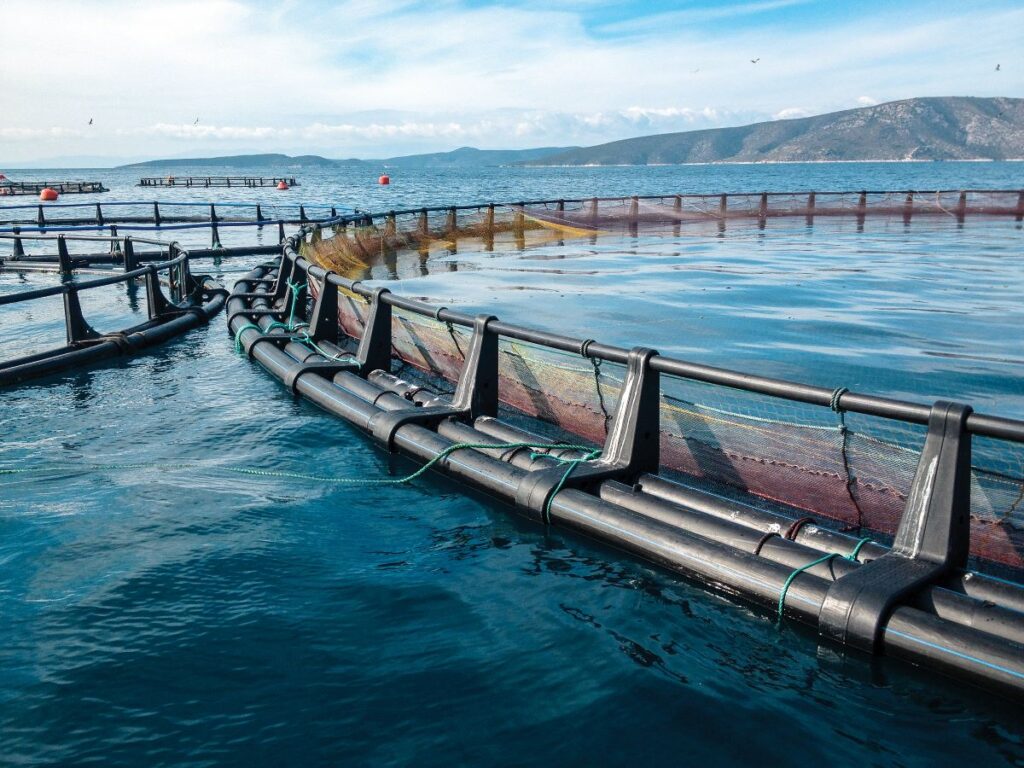
Advanced aquaculture technology is enhancing biosecurity and fish welfare, writes Iain Brown, Industry Sales Engineer, Xylem UK and Ireland Leading aquaculture experts from Xylem will deliver a keynote address at...
EU salmon processors increase prod-fish pressure
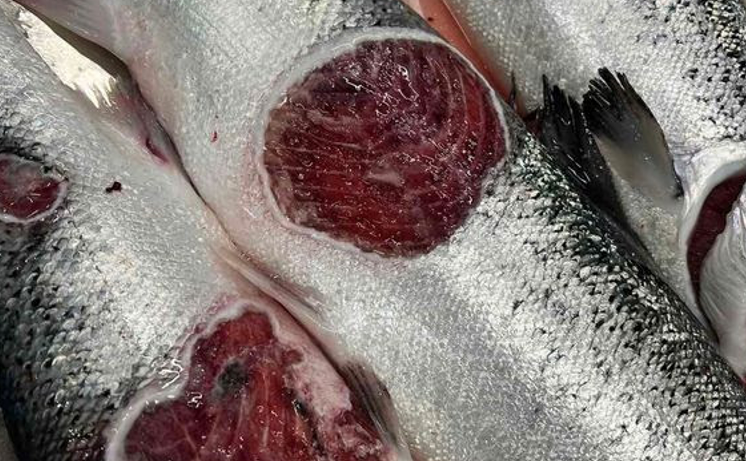
European Union salmon processors are demanding that Norway calls an end to the ban on exporting “prod” or damaged fish. The joint call, has come from the EU Salmon Processors...
Norwegian salmon prices hit new record
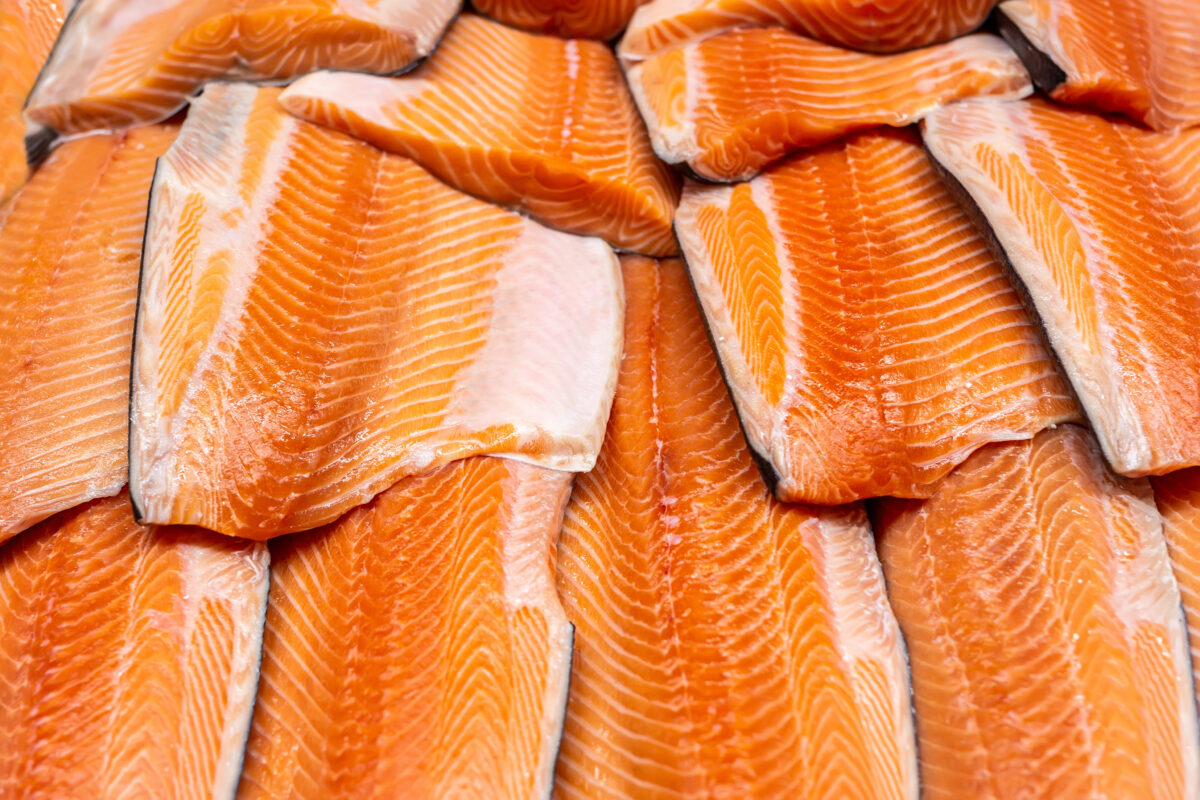
Fresh salmon prices hit an all time record in Norway last week, although there are signs the surge could be over. They soared to NOK 123.28 per kilo during week...
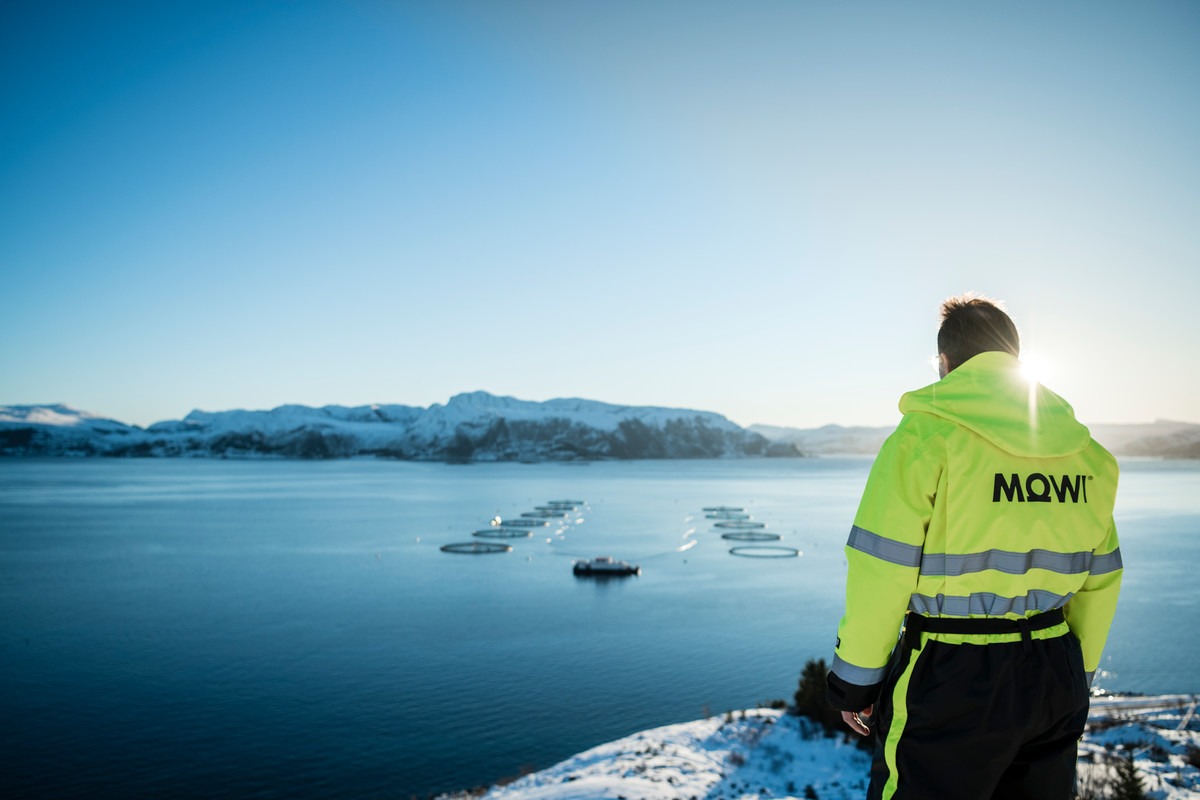
Mowi Scotland Q1 30% higher, but global output down
Mowi Scotland produced an encouragingly higher harvest during the first three months of this year, a trading update today shows. The output between January and March from the division, which...
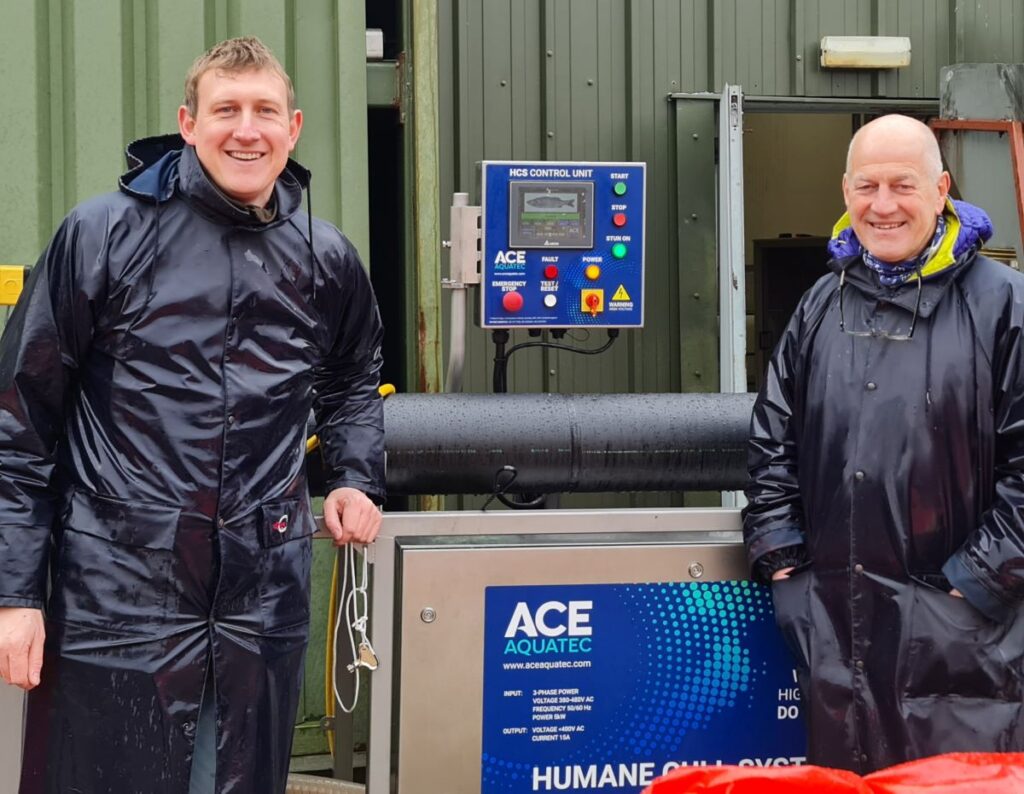

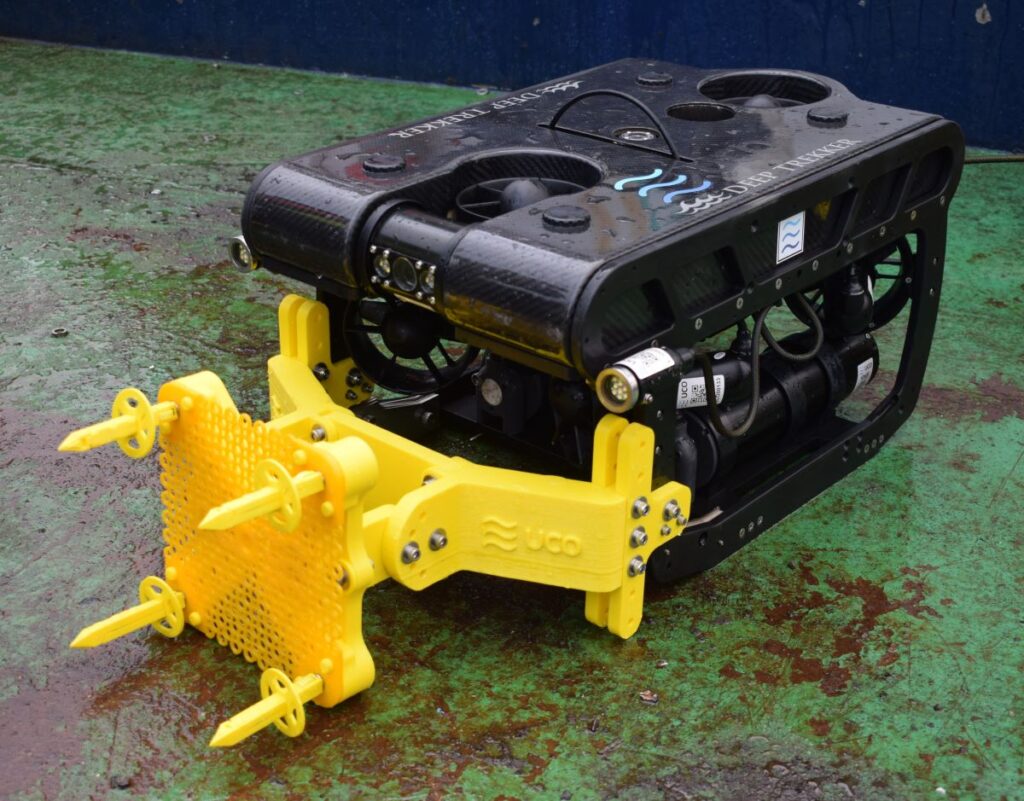
UCO nets a solution to the problem of containment
Maintaining the integrity of nets is essential for a fish farm – but can be expensive. Fortunately, there is an answer to the dilemma Containment of stock is a key...

Enhancing aquaculture operations
A comprehensive solution from Tritonia and Ocean Ecology Tritonia Scientific provide underwater surveying through the use of remote sensing techniques (multibeam, sidescan and ROV – remotely operated vehicle – visual...

Asda recalls wrongly labelled King Prawn product
The Asda supermarket group has pulled a cultivated fresh king prawn product from its shelves over mislabelling; a mistake which could make them unsafe. Asda has warned the public not...
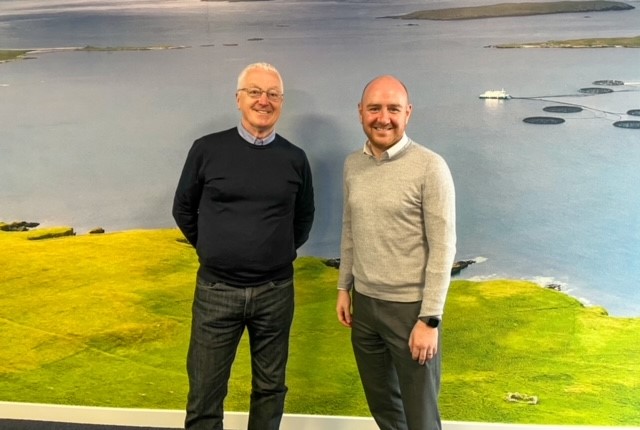
Labour election hopeful impressed during visit to Cooke Aquaculture
Frank McNally, a leading Scottish Labour politician and general election hopeful, has met with Cooke Aquaculture Scotland to hear about the positive and social impact the company, and aquaculture in...