NEWS
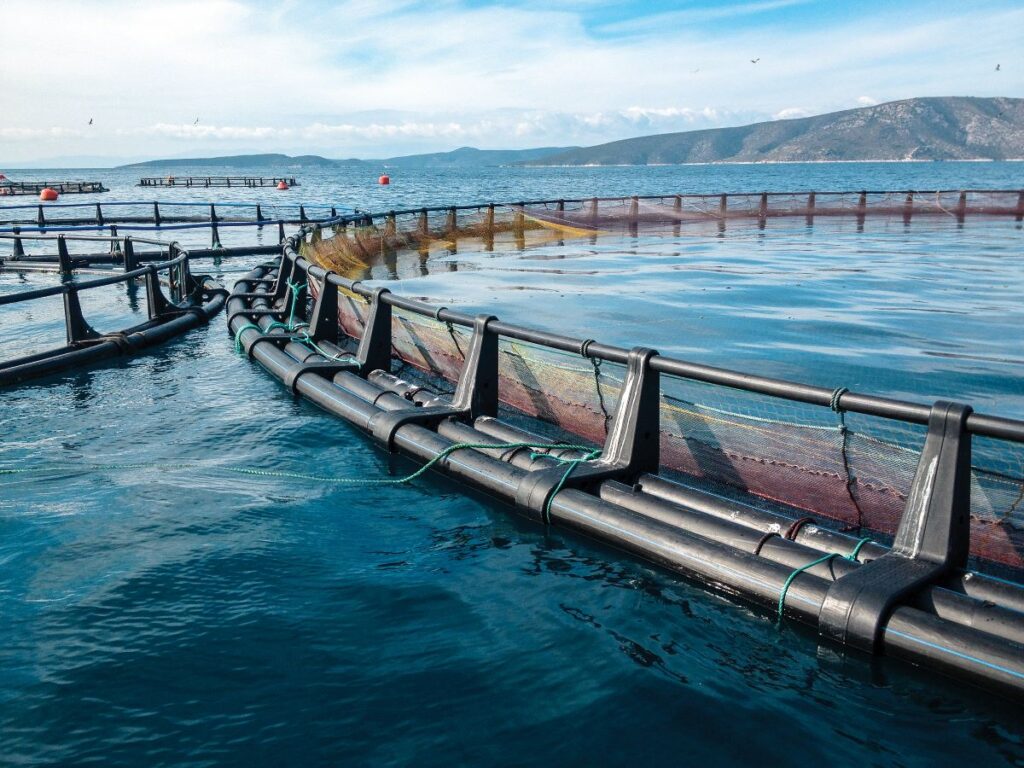
Aquaculture technology and biosecurity
Advanced aquaculture technology is enhancing biosecurity and fish welfare, writes Iain Brown, Industry Sales Engineer, Xylem UK and Ireland Leading aquaculture experts from Xylem will deliver a keynote address at...
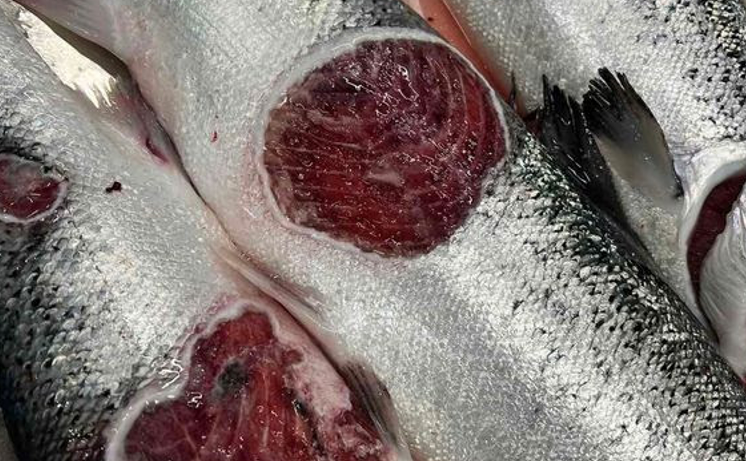
EU salmon processors increase prod-fish pressure
European Union salmon processors are demanding that Norway calls an end to the ban on exporting “prod” or damaged fish. The joint call, has come from the EU Salmon Processors...
Norwegian salmon prices hit new record
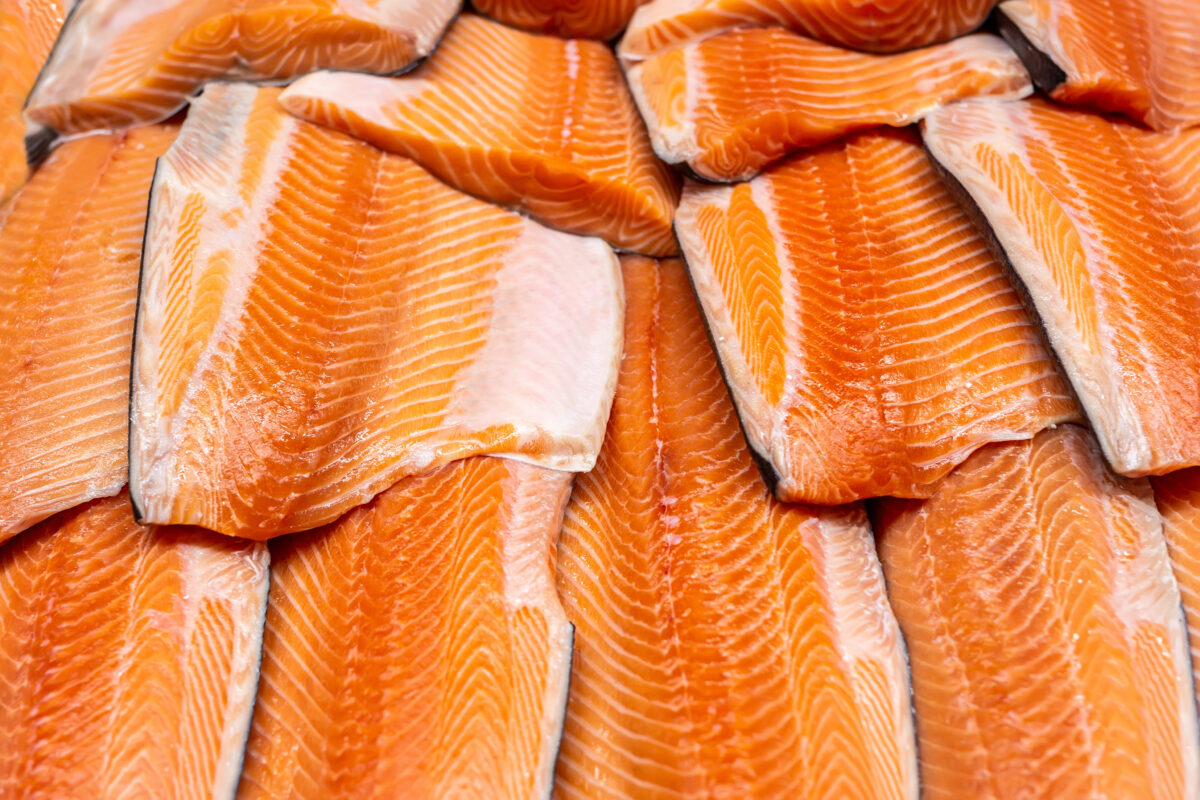
Fresh salmon prices hit an all time record in Norway last week, although there are signs the surge could be over. They soared to NOK 123.28 per kilo during week...
Mowi Scotland Q1 30% higher, but global output down
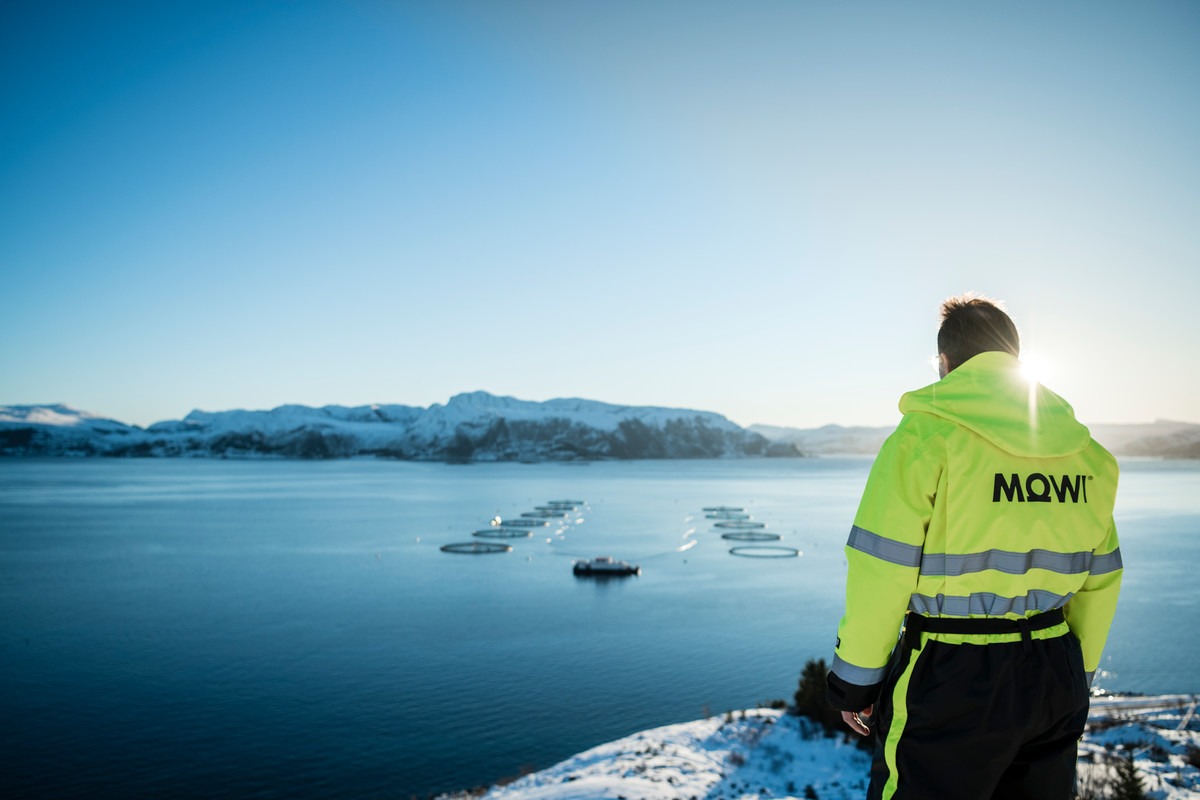
Mowi Scotland produced an encouragingly higher harvest during the first three months of this year, a trading update today shows. The output between January and March from the division, which...


NEWSLETTER
Stay in touch with the latest developments from Fish Farmer and subscribe to our online updates
UCO nets a solution to the problem of containment
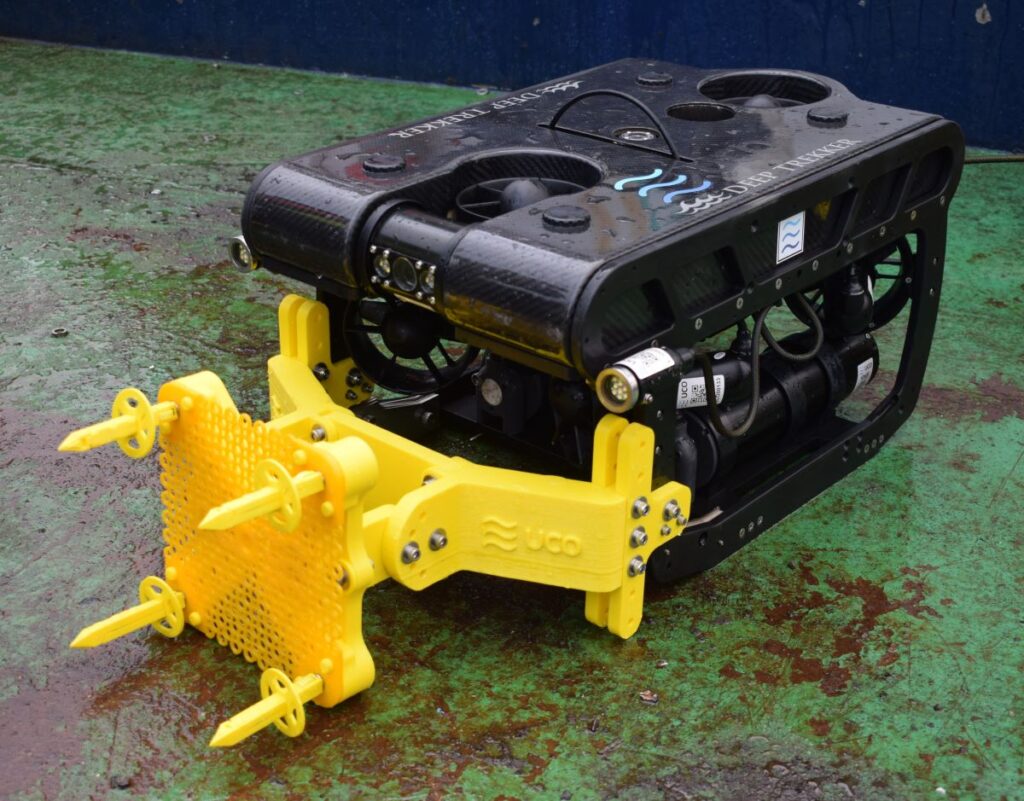
Maintaining the integrity of nets is essential for a fish farm – but can be expensive. Fortunately, there is an answer to the dilemma Containment of stock is a key...

Enhancing aquaculture operations
A comprehensive solution from Tritonia and Ocean Ecology Tritonia Scientific provide underwater surveying through the use of remote sensing techniques (multibeam, sidescan and ROV – remotely operated vehicle – visual...

Asda recalls wrongly labelled King Prawn product
The Asda supermarket group has pulled a cultivated fresh king prawn product from its shelves over mislabelling; a mistake which could make them unsafe. Asda has warned the public not...
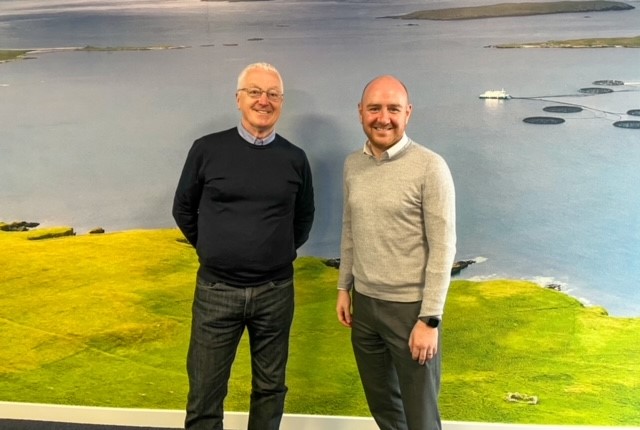
Labour election hopeful impressed during visit to Cooke Aquaculture
Frank McNally, a leading Scottish Labour politician and general election hopeful, has met with Cooke Aquaculture Scotland to hear about the positive and social impact the company, and aquaculture in...


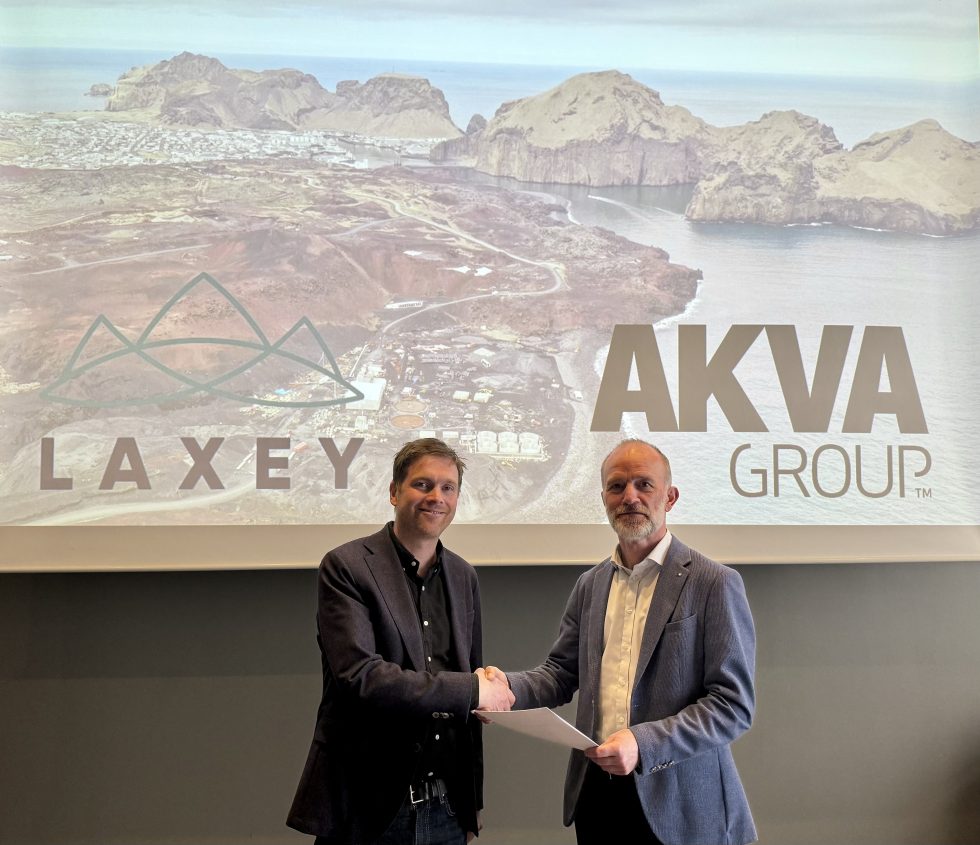
Akva Group wins key Iceland contract
LAXEY, the Icelandic company building a young land based salmon farm in the Westfjords region, has signed a keynote deal with the Akva Group. The agreement will focus on the...
The speed of reaction
Opinion piece by Nick Joy I admit that my mind might not be quite on the job at the moment. Coming back from Sicily by car has been quite an...
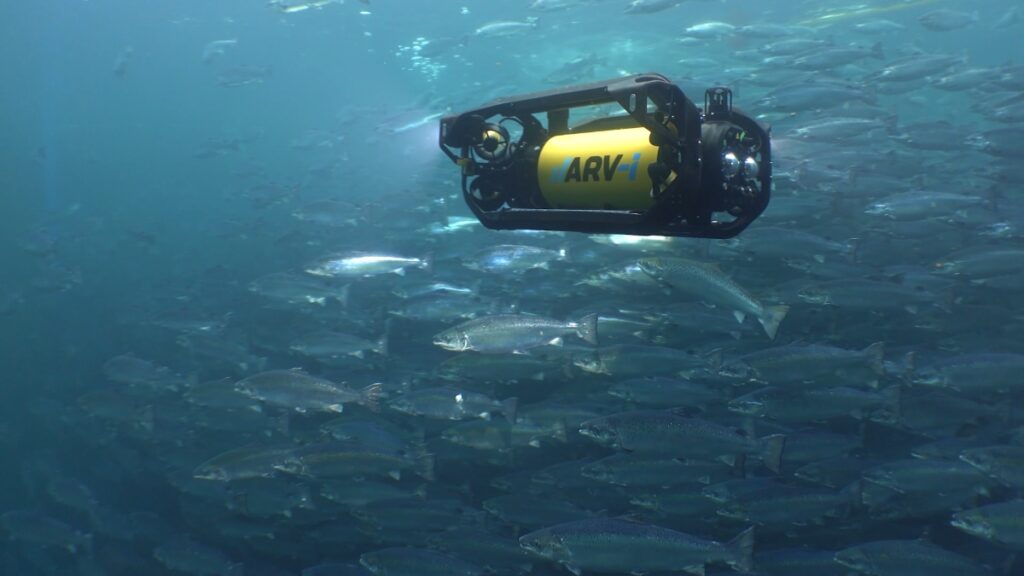
Elevate your fish farming with robotics solutions
Staying competitive in the dynamic fish farming industry requires a comprehensive approach to cover a multitude of inspections. Here to help is ARV-i, a state-of-the-art underwater robot designed by Boxfish...
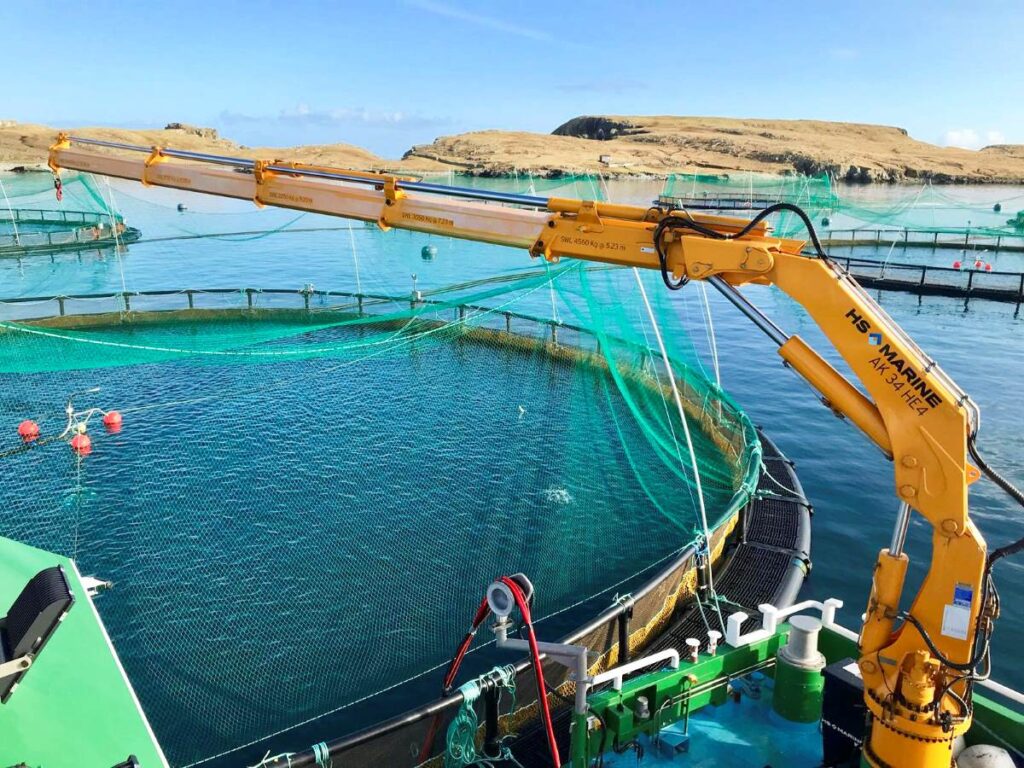
Quality always pays back
Because they are designed with long life and suitability for marine use in mind, HS.MARINE cranes represent a lower cost of ownership The growth of HS.MARINE continues in 2024. The...