NEWS
Cermaq to trial algal oil as sustainable alternative
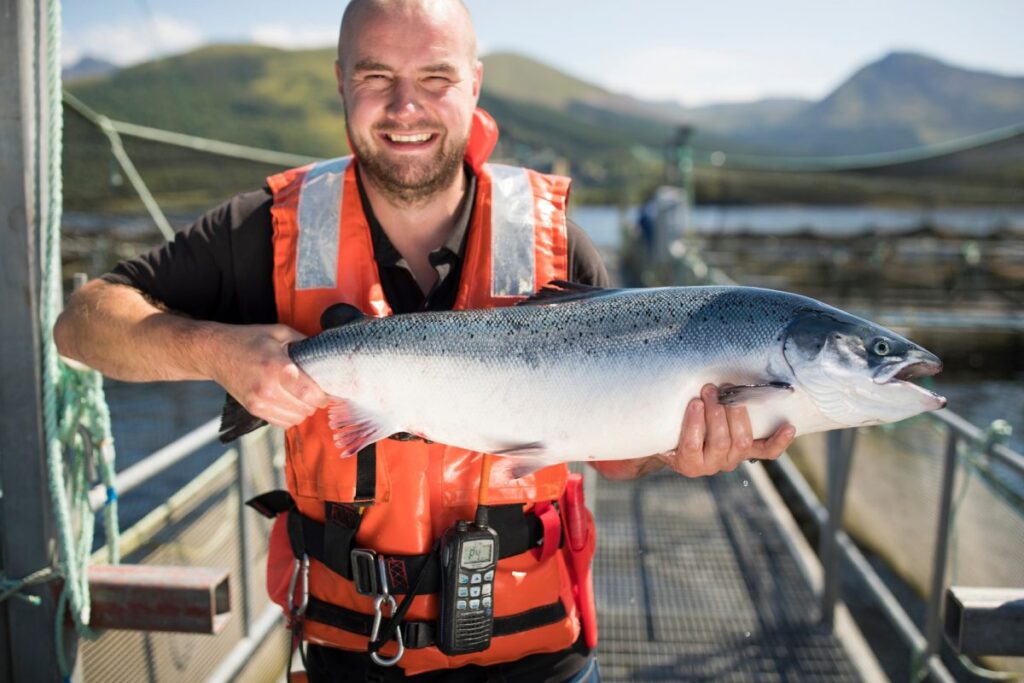
Cermaq Canada has announced that it is to carry out trials on the use of algal oil in its salmon feed. The company hopes that the experiment will reduce the...

Heritage Global Partners: online auction
Auction, liquidation and asset advisory firm Heritage Global Partners is holding an online auction featuring vessels & intangible property from an innovative and patented aquaculture net washing company, Brunswick Jetters....

Canada facing ‘alarming’ drop in salmon output
Canada is facing an alarming decline in salmon farming production, the industry’s main body has warned. The Canadian Aquaculture Industry Alliance (CAIA) says the decline is the equivalent of 390...
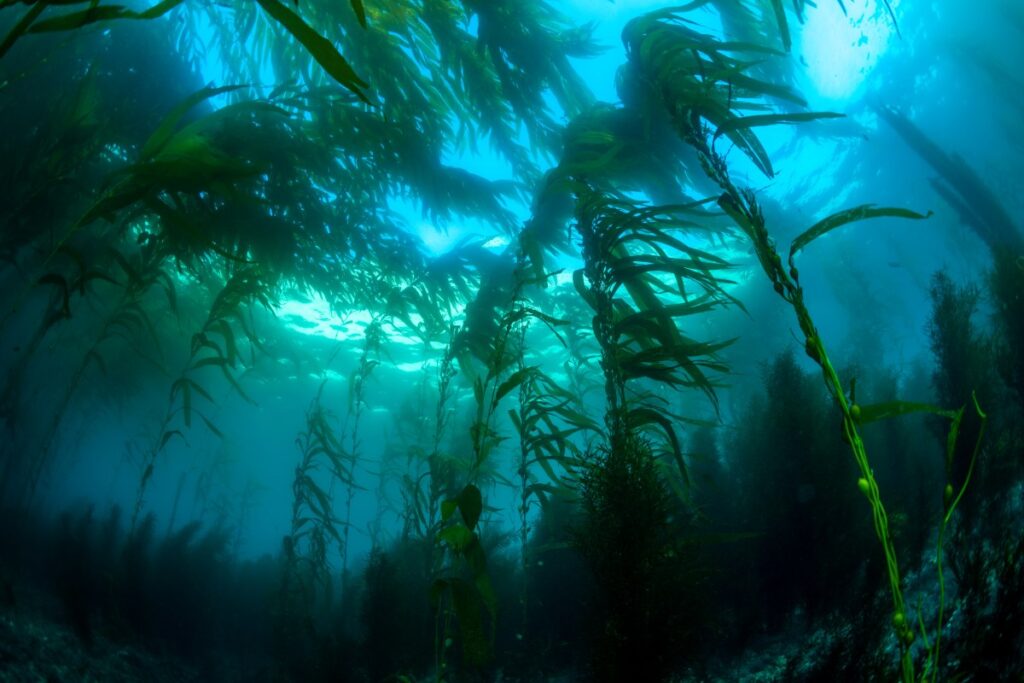
California dreaming
Kelp farming in America’s Golden State requires patience, as Julia Hollister reports Getting a licence to become a kelp farmer in California seems like a great idea. But before you...

NEWSLETTER
Stay in touch with the latest developments from Fish Farmer and subscribe to our online updates

Lerøy working on key salmon blood health project
The Lerøy Seafood company is working on a project that could develop salmon blood into an important health supplement, it has been disclosed. The Norwegian research organisation, SINTEF, says the aquaculture...

Norway MP calls for halt to overseas salmon promotion
A Norwegian Green MP wants the country’s Seafood Council to suspend the promotion of salmon overseas until the industry addresses a range of fish welfare issues. Rasmus Hansson, a biologist...

Brokering a better Brexit deal
Salmon Scotland Chief Executive Tavish Scott says the coming general election is an opportunity to reset the UK’s relationship with the EU and smooth the vital flow of trade The...
First in-person Seagriculture Asia-Pacific conference set for next year
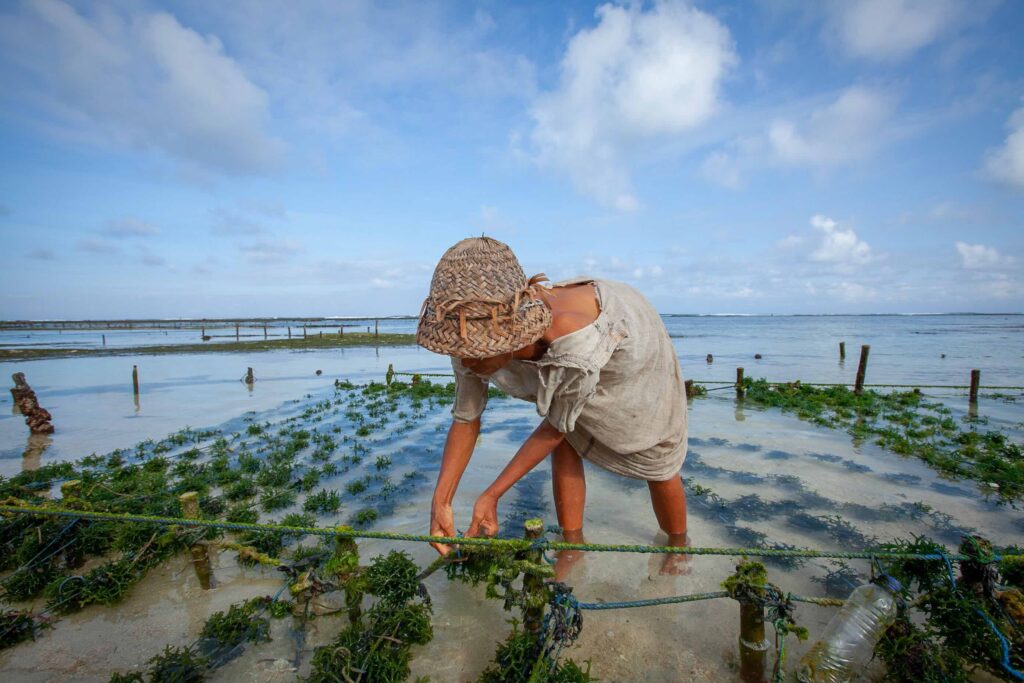
The first in-person event of Seagriculture Asia-Pacific will be premiering in Adelaide over 18-20 March 2025. This marks a pivotal moment for the Seagriculture Conferences, expanding their borders and venturing...


Crystal clear
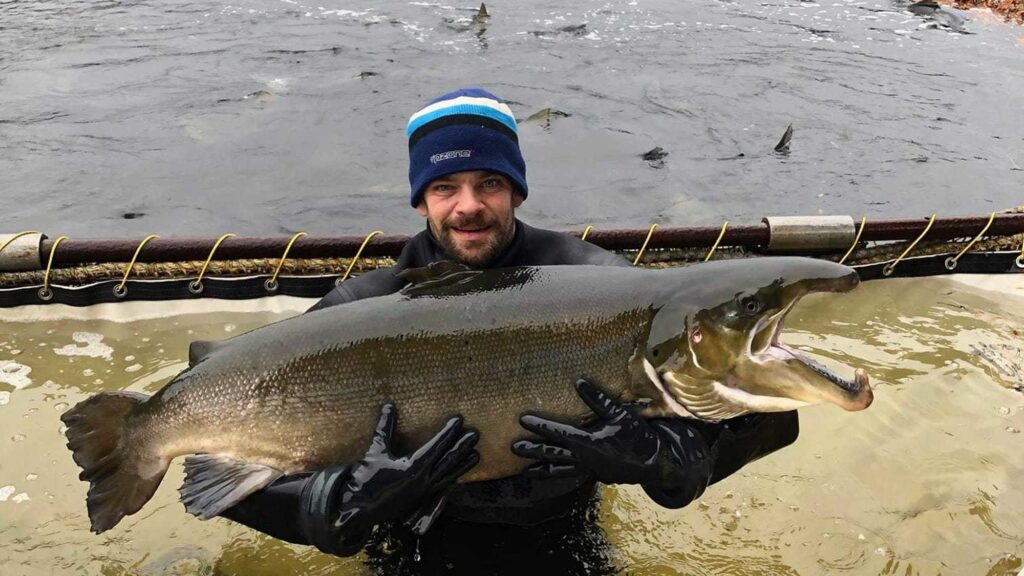
The Prairies, renowned as Canada’s breadbasket, is not the first place you would expect to find a fish farm – let alone one of the largest of its kind in...
UHI Shetland launches new research centre
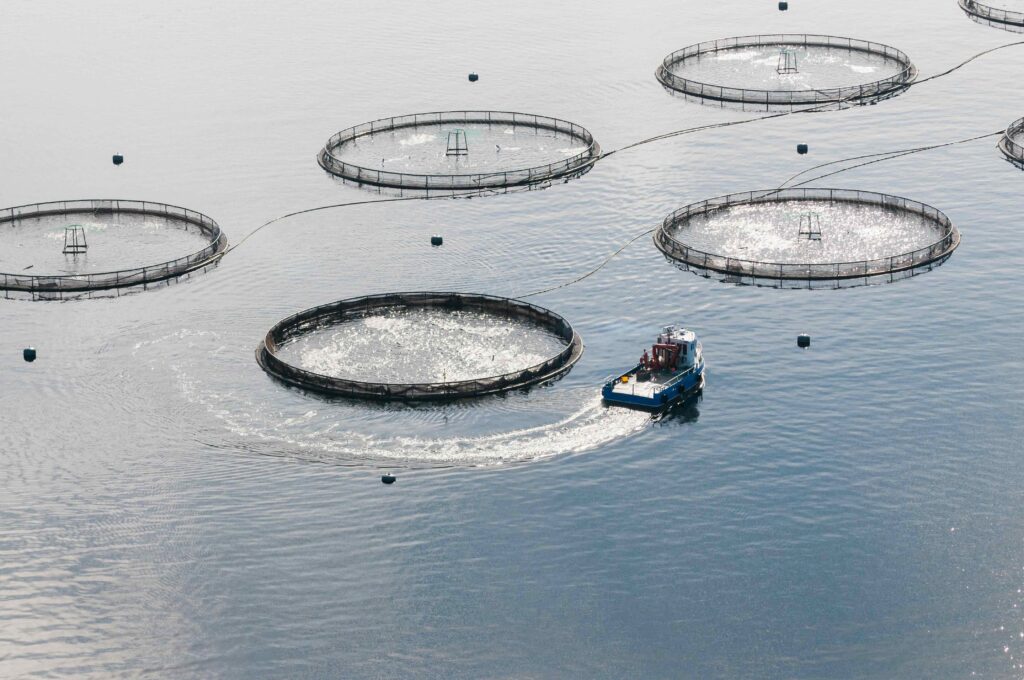
Today sees the launch in Shetland of a new research centre that aims to help the seafood industry become more sustainable. The Centre for Sustainable Seafood will be based at...
Princess Royal to open Seawork trade show
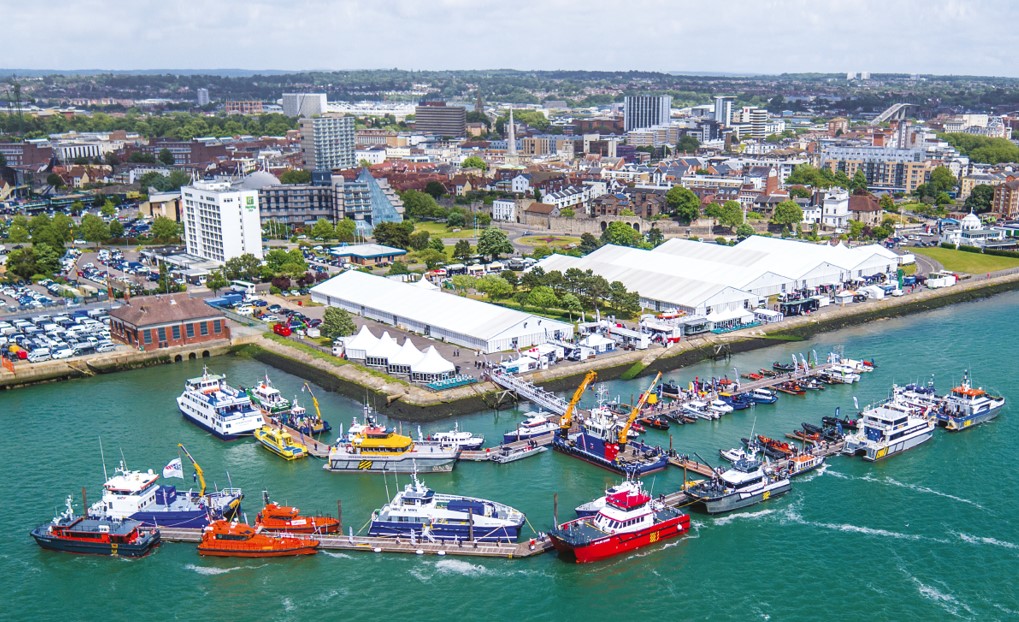
HRH The Princess Royal will officially open the Seawork trade show and conference on Tuesday 11 June 2024, marking the 25th edition of Europe’s leading commercial marine exhibition. The Princess...

US seafood industry calls for aquaculture funding
US lobby group Stronger America Through Seafood (SATS) is officially requesting that funding for offshore aquaculture be approved by Congress. SATS has submitted a letter to the Chair of the...