NEWS
Princess Royal to open Seawork trade show
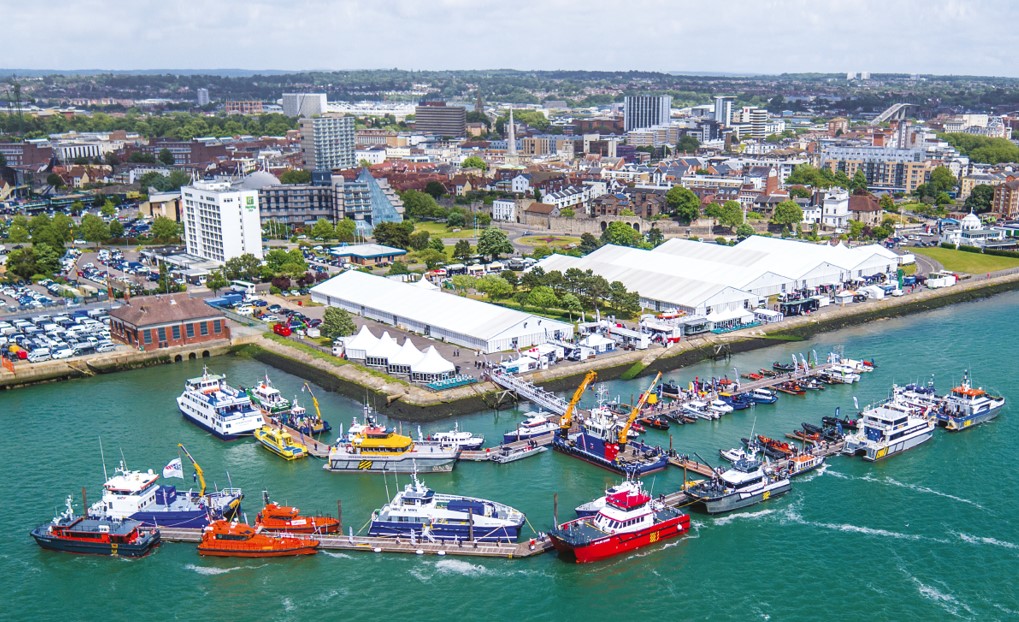
HRH The Princess Royal will officially open the Seawork trade show and conference on Tuesday 11 June 2024, marking the 25th edition of Europe’s leading commercial marine exhibition. The Princess...

US seafood industry calls for aquaculture funding
US lobby group Stronger America Through Seafood (SATS) is officially requesting that funding for offshore aquaculture be approved by Congress. SATS has submitted a letter to the Chair of the...
Mowi raises millions in green bonds issue
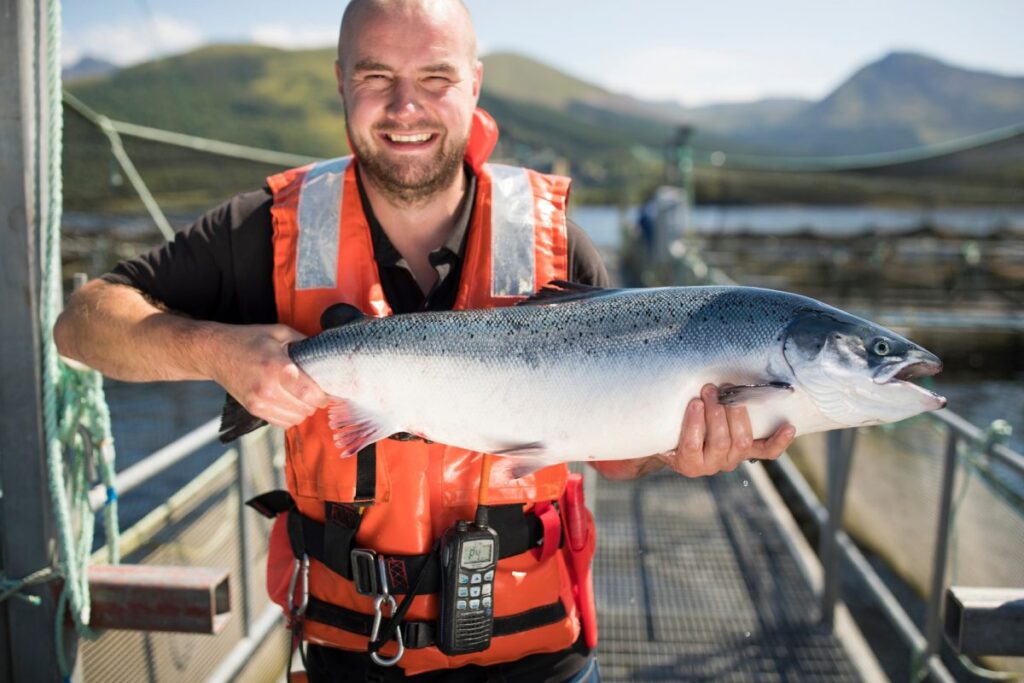
Salmon giant Mowi has successfully raised around £255m (€298m/NOK 3.5bn) in green bonds. Mowi said green bond finance will be used for sustainable and environmentally friendly projects as defined by...
Spike in demand
Sea cucumbers may not look too appetising to the Western consumer, but their potential in the export market is huge, Robert Outram finds In a series of man-made lagoons in...


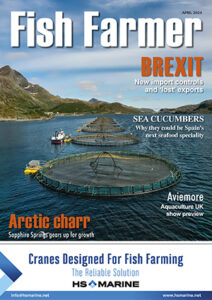
NEWSLETTER
Stay in touch with the latest developments from Fish Farmer and subscribe to our online updates
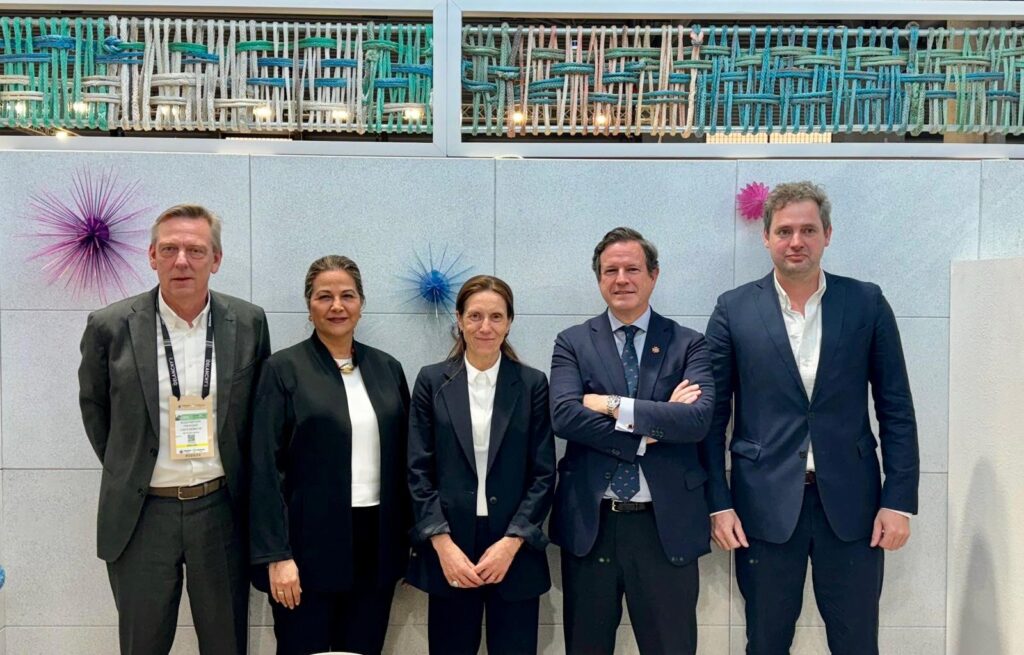
EU seafood groups join forces at Barcelona
Five major trade organisations representing European aquaculture, fishing and seafood processing have come together in a new strategic alliance. Their aim is to get Europeans to eat – and produce...
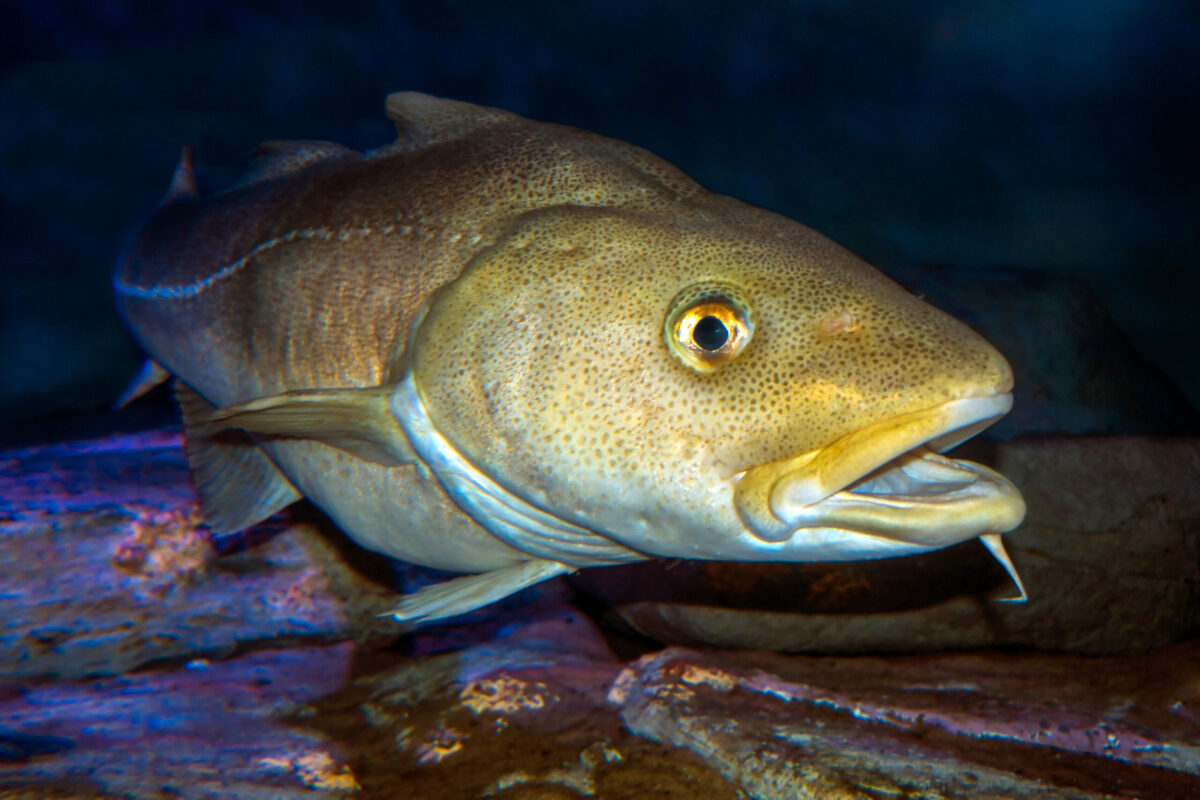
Flesh eating cod bug found off Norway
A new parasite which turns fish flesh into a slimy jelly has been found in cod off the Norwegian coast. So far it does not appear to have affected the...
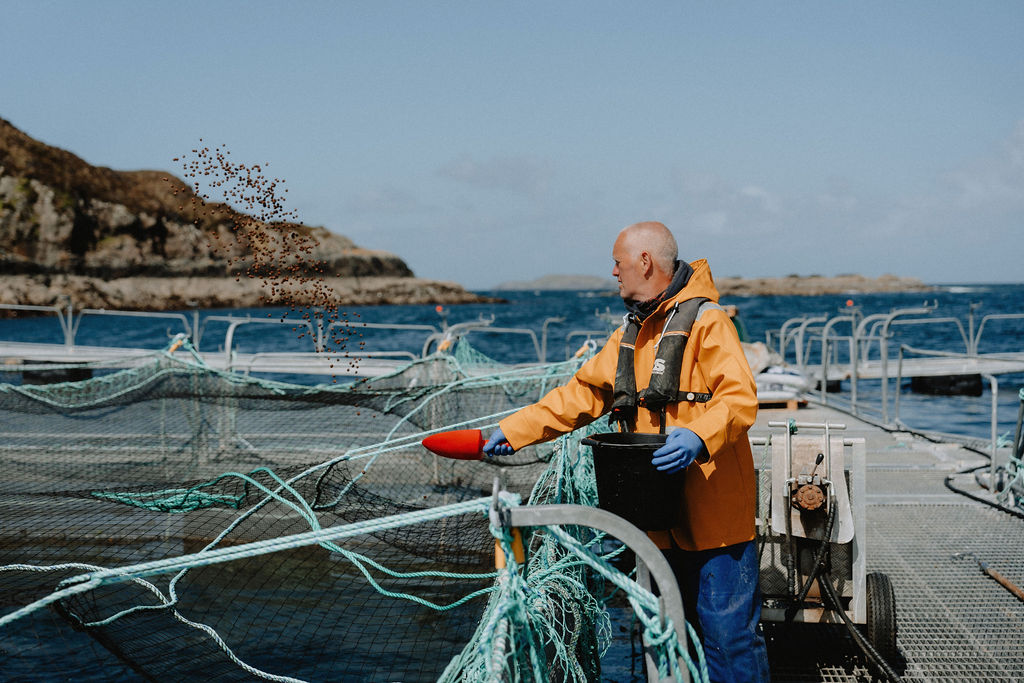
Loch Duart says new feed has improved fish health and cut carbon emissions
Independent salmon farmer Loch Duart says its switch a year ago to BioMar’s Blue Impact feed has reduced its carbon footprint, improved health for the stock and reduced natural impurities...
Breaking news: Mowi loses first round in tax case
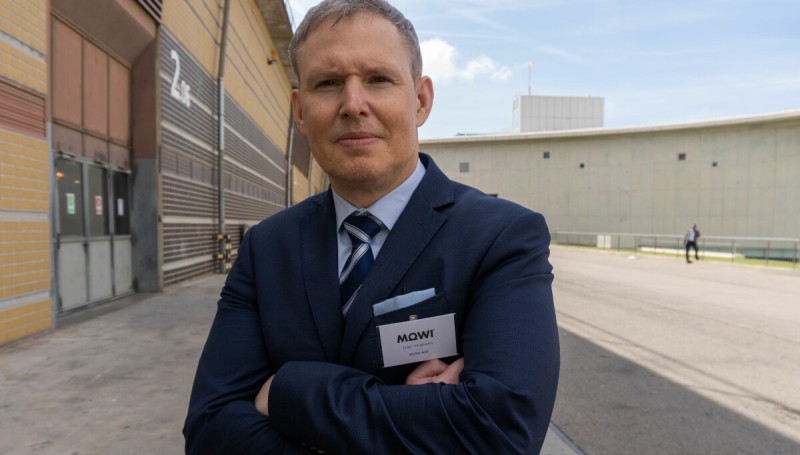
Mowi has lost the first round of a court battle against Norway’s “salmon tax”. A court in Hordaland, Norway has rejected the company’s lawsuit against the tax, also known as...

Nova Scotia PM speaks out against Cooke fish farm plan
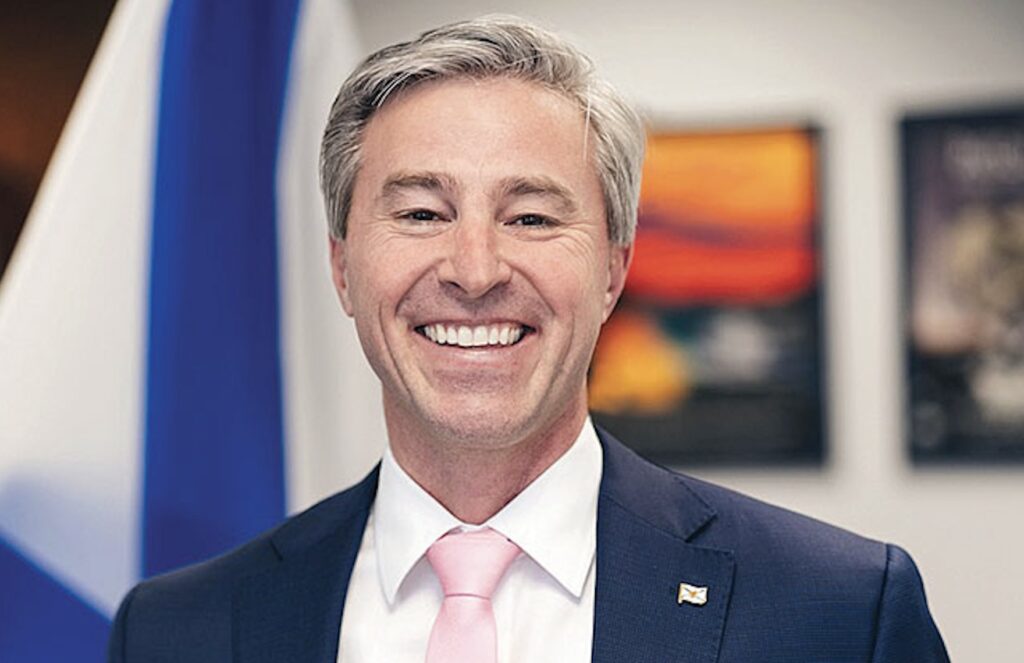
Nova Scotia Prime Minister Tim Houston (pictured) has come out firmly against Cooke Seafoods' plan to expand its Liverpool Bay salmon facility. In February he had already expressed his reservations...

Cermaq announces big investment in Chile
Cermaq has announced that it is planning to invest around £80m in a new RAS fish farm in southern Chile. Called Nueva PCC, Mitsubishi-owned Cermaq said it will be one...
Stark numbers
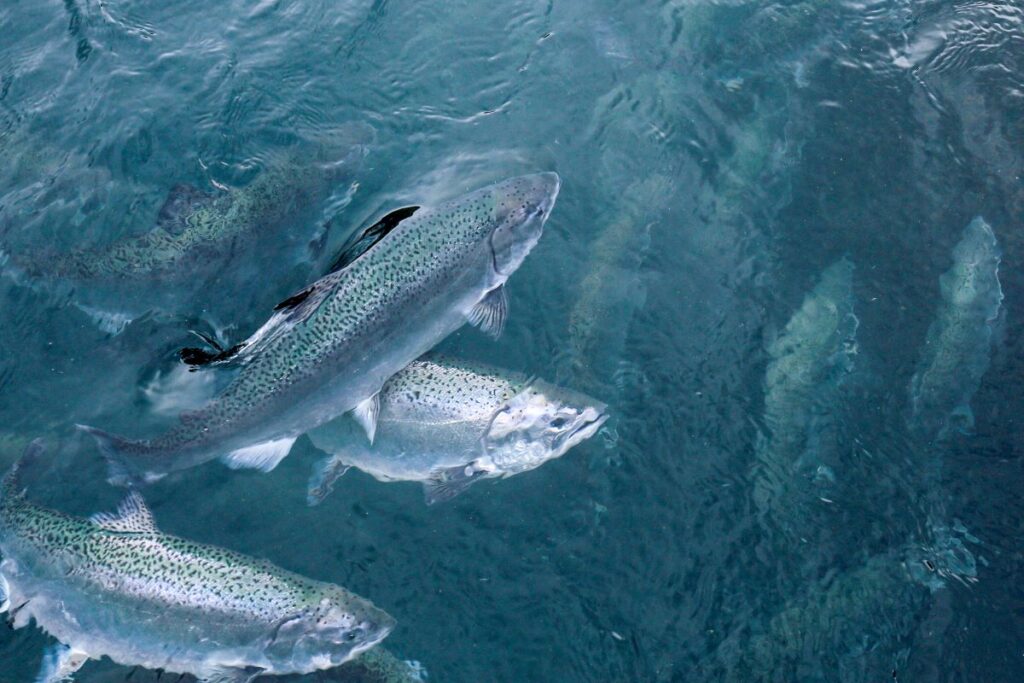
The latest report from the Norwegian Veterinary Institute indicates that the industry is still failing to get a grip on salmon and trout mortalities. Vince McDonagh reports The figures are...
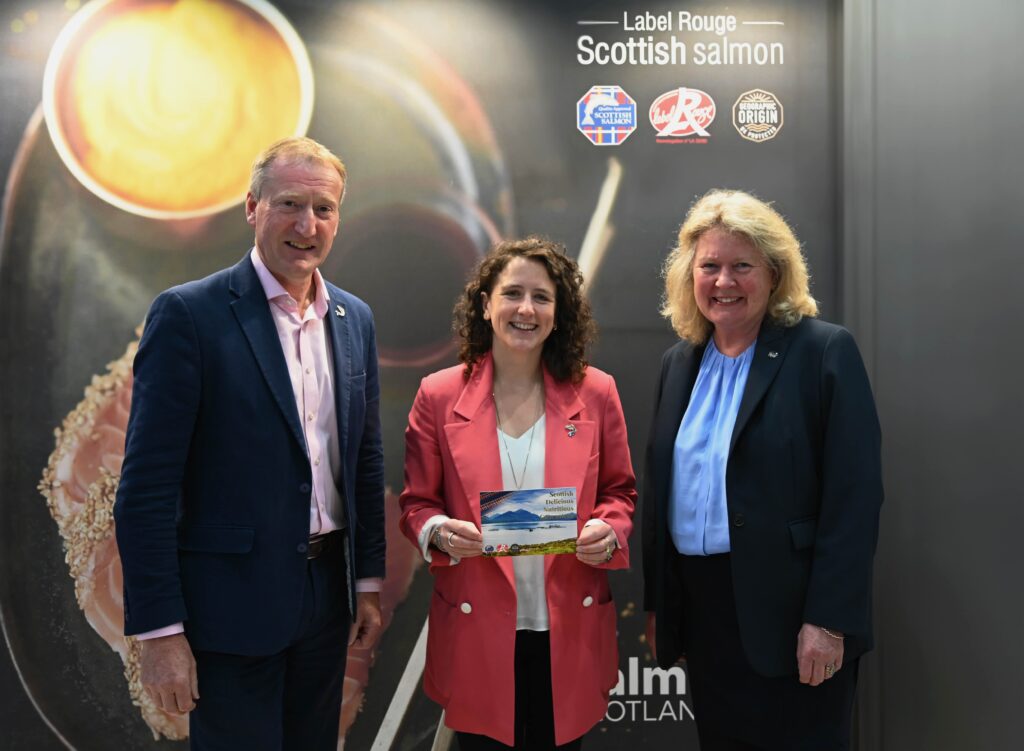
Label Rouge changes create more opportunity for Scotland’s salmon
Changes to France’s prestigious “Label Rouge” quality mark have been welcomed by Scottish salmon farmers. Industry body Salmon Scotland said the amended rules will help its plans to increase the...