NEWS
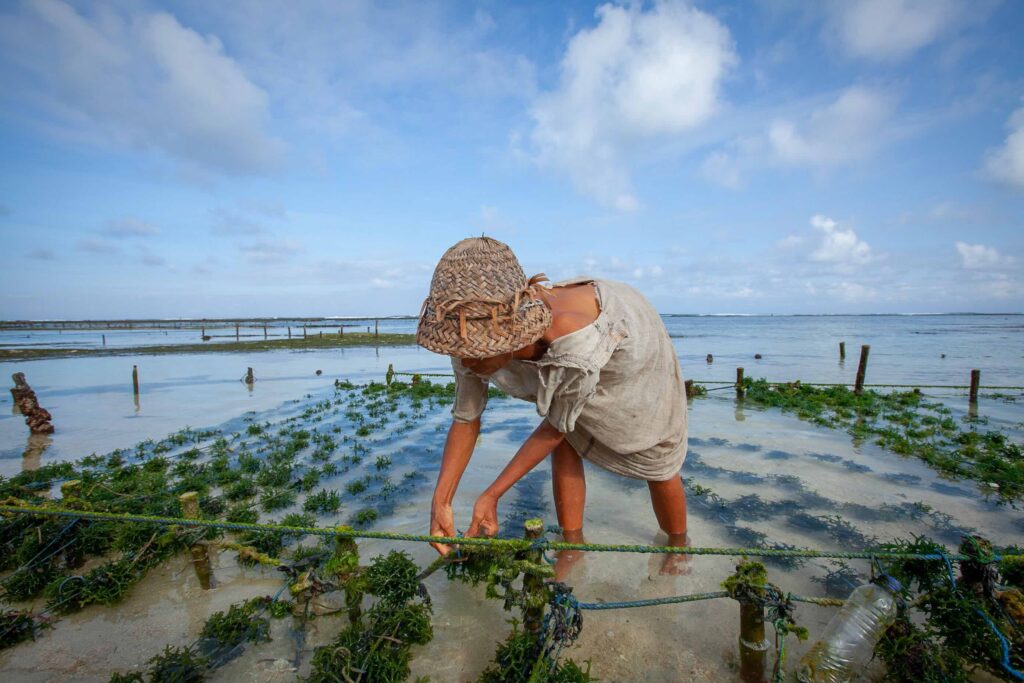
First in-person Seagriculture Asia-Pacific conference set for next year
The first in-person event of Seagriculture Asia-Pacific will be premiering in Adelaide over 18-20 March 2025. This marks a pivotal moment for the Seagriculture Conferences, expanding their borders and venturing...

Aker BioMarine earnings sharply up
Krill harvesting company Aker BioMarine has said earnings and growth for the first quarter of 2024 were signficantly up, year-on-year. The operating results before depreciation and amortisation (EBITDA) came to...
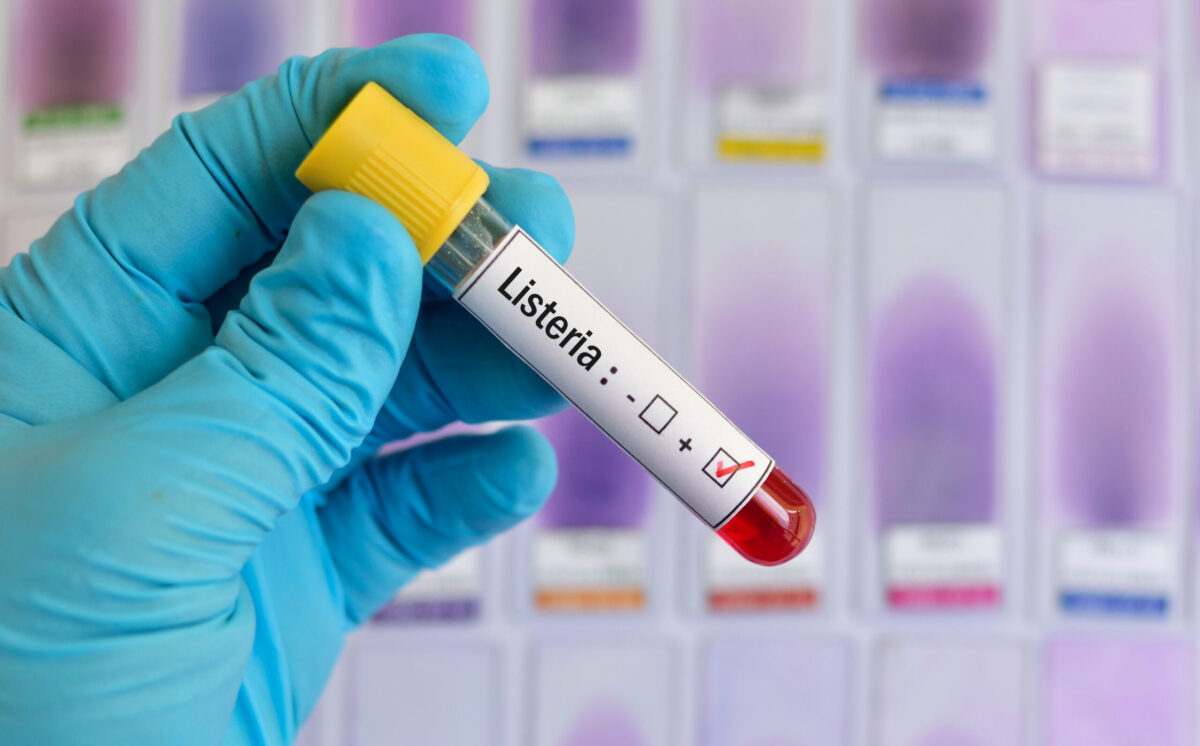
Lerøy facing new listeria discovery claims
The Lerøy Seafood Company has been hit by claims of a new discovery of the listeria bacterium at one of its Norwegian sites, according to Norway’s national broadcaster NRK. NRK...

Crystal clear
The Prairies, renowned as Canada’s breadbasket, is not the first place you would expect to find a fish farm – let alone one of the largest of its kind in...

NEWSLETTER
Stay in touch with the latest developments from Fish Farmer and subscribe to our online updates

US seafood industry calls for aquaculture funding
US lobby group Stronger America Through Seafood (SATS) is officially requesting that funding for offshore aquaculture be approved by Congress. SATS has submitted a letter to the Chair of the...
Mowi raises millions in green bonds issue
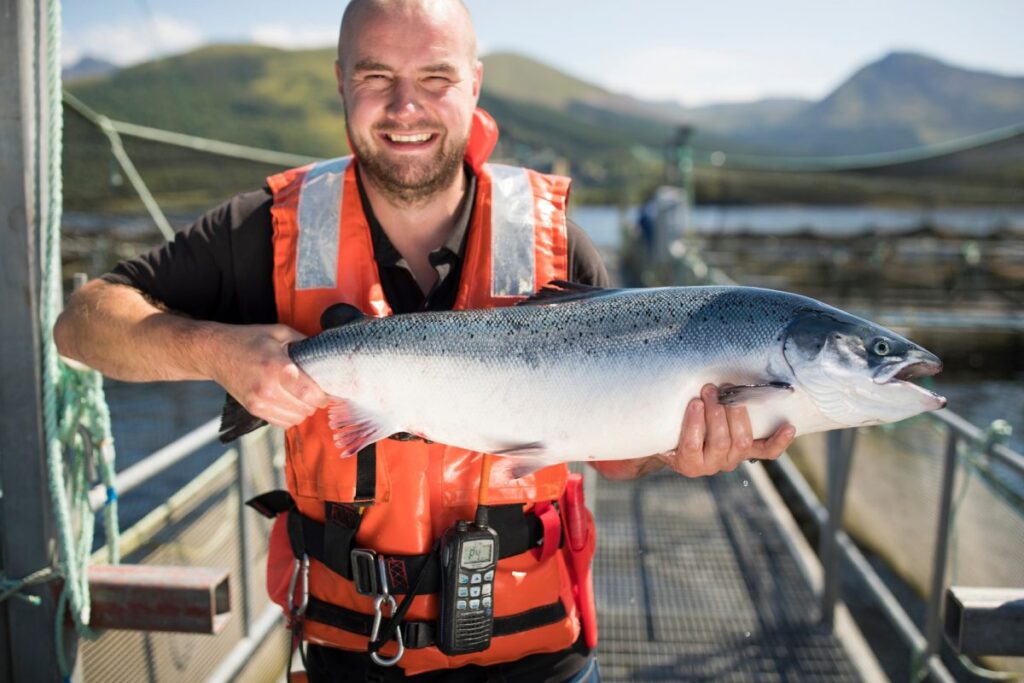
Salmon giant Mowi has successfully raised around £255m (€298m/NOK 3.5bn) in green bonds. Mowi said green bond finance will be used for sustainable and environmentally friendly projects as defined by...
Spike in demand
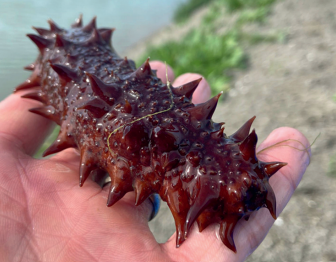
Sea cucumbers may not look too appetising to the Western consumer, but their potential in the export market is huge, Robert Outram finds In a series of man-made lagoons in...

BAADER wins contract for Grieg’s new seafood centre
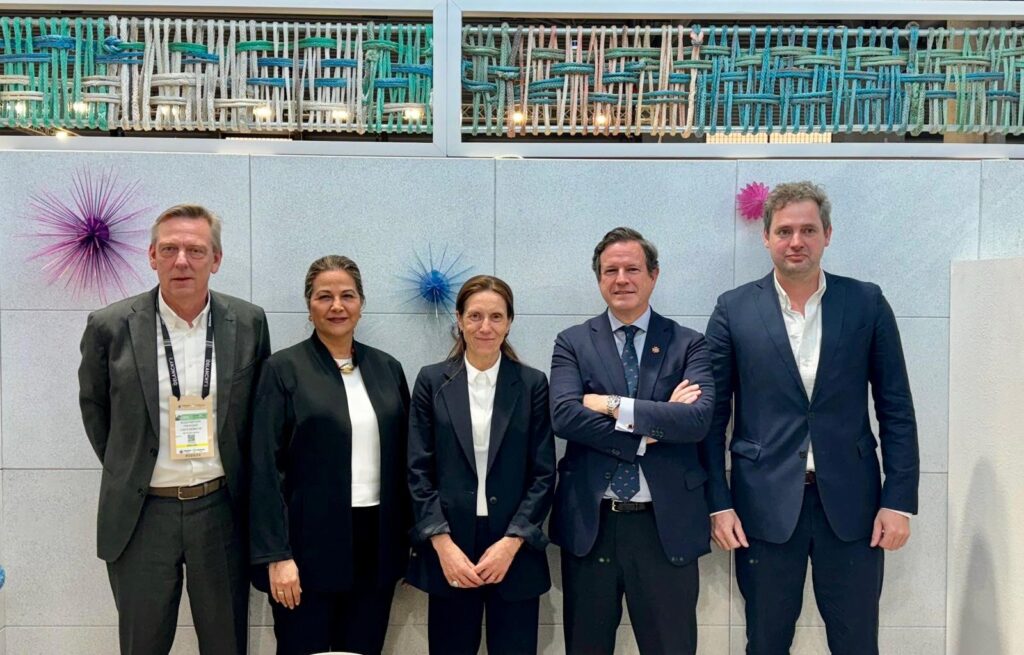
Seafood processing specialist BAADER has won a major contract to fit Grieg’s new seafood centre with a state-of-the-art filleting system. The deal was announced today at the trade show Seafood...

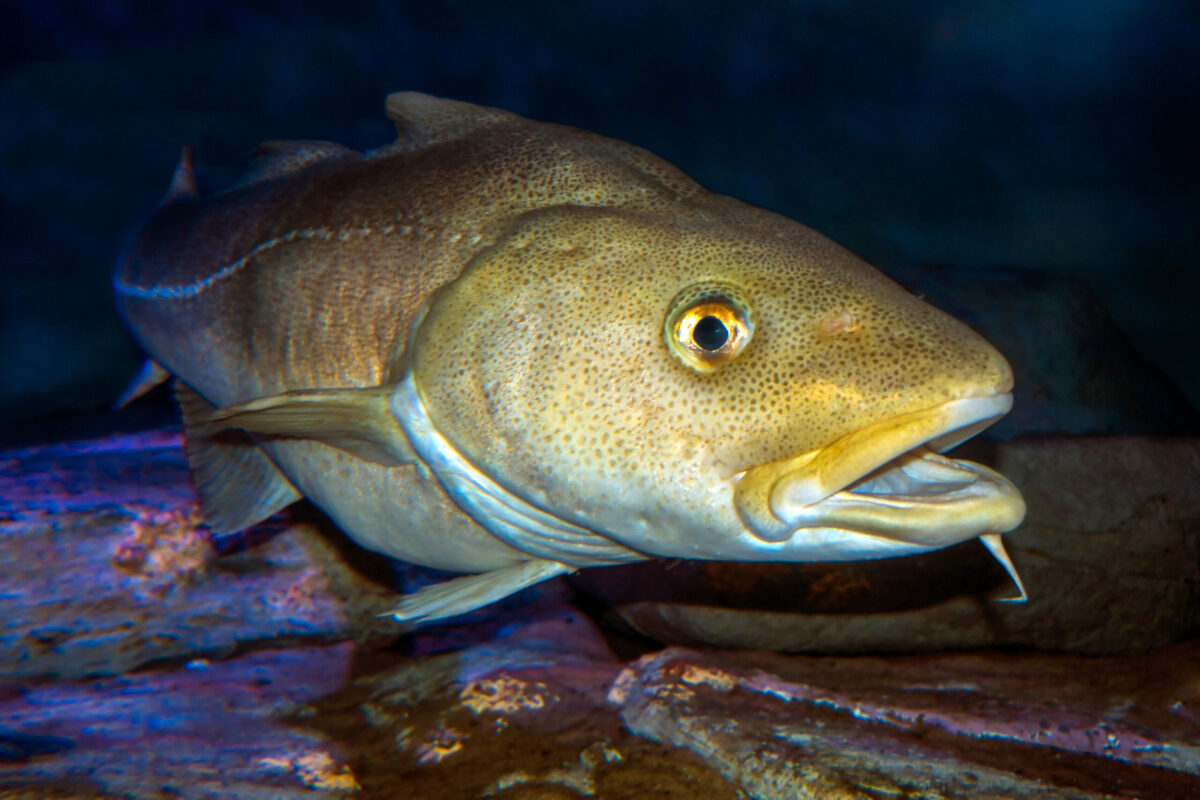
Flesh eating cod bug found off Norway
A new parasite which turns fish flesh into a slimy jelly has been found in cod off the Norwegian coast. So far it does not appear to have affected the...
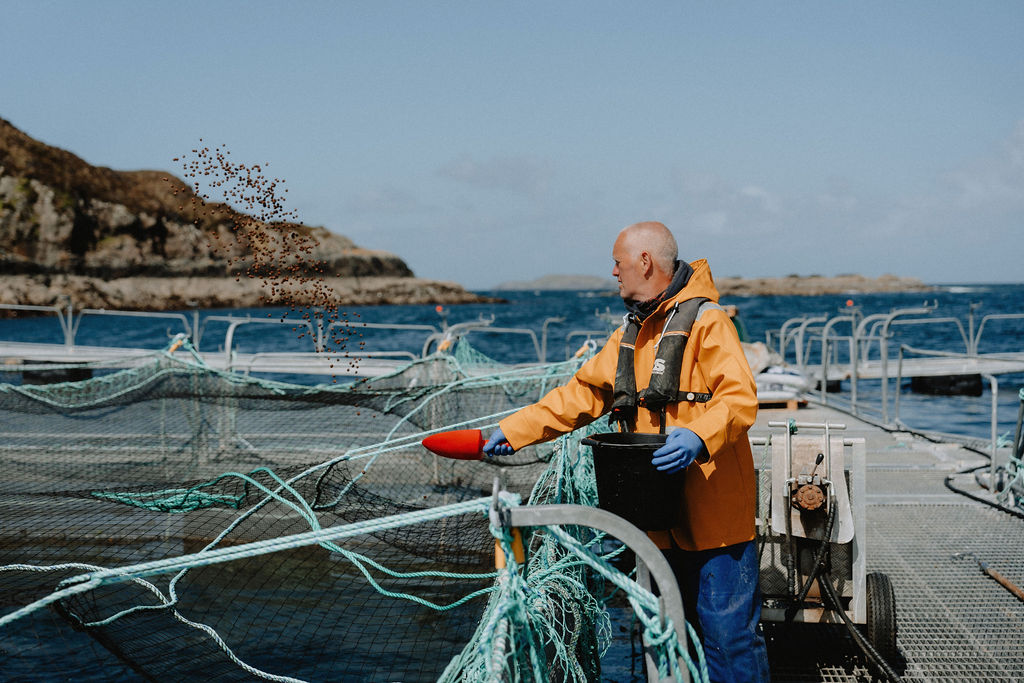
Loch Duart says new feed has improved fish health and cut carbon emissions
Independent salmon farmer Loch Duart says its switch a year ago to BioMar’s Blue Impact feed has reduced its carbon footprint, improved health for the stock and reduced natural impurities...
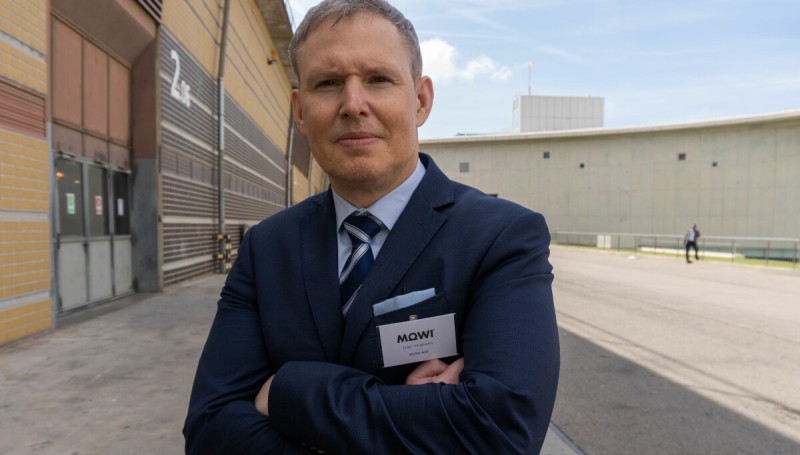
Breaking news: Mowi loses first round in tax case
Mowi has lost the first round of a court battle against Norway’s “salmon tax”. A court in Hordaland, Norway has rejected the company’s lawsuit against the tax, also known as...
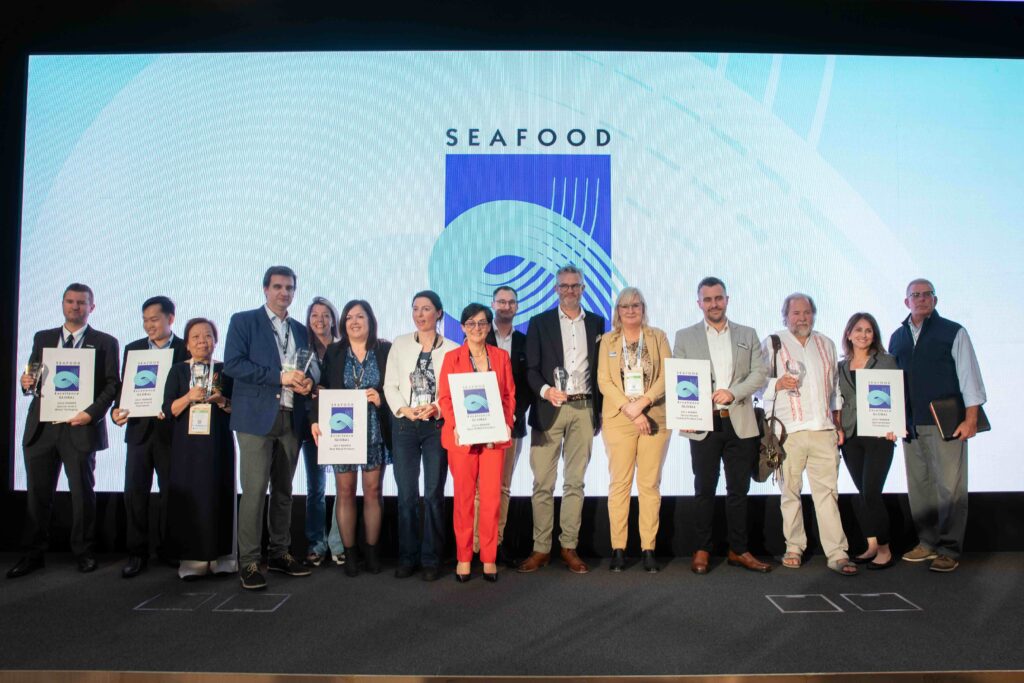
Seafood Excellence winners honoured
Oysters and seaweed products took the top accolades at the Seafood Excellence Global Awards, held last night in Barcelona. The award for Best Retail Product was presented to Parcs Saint...