|
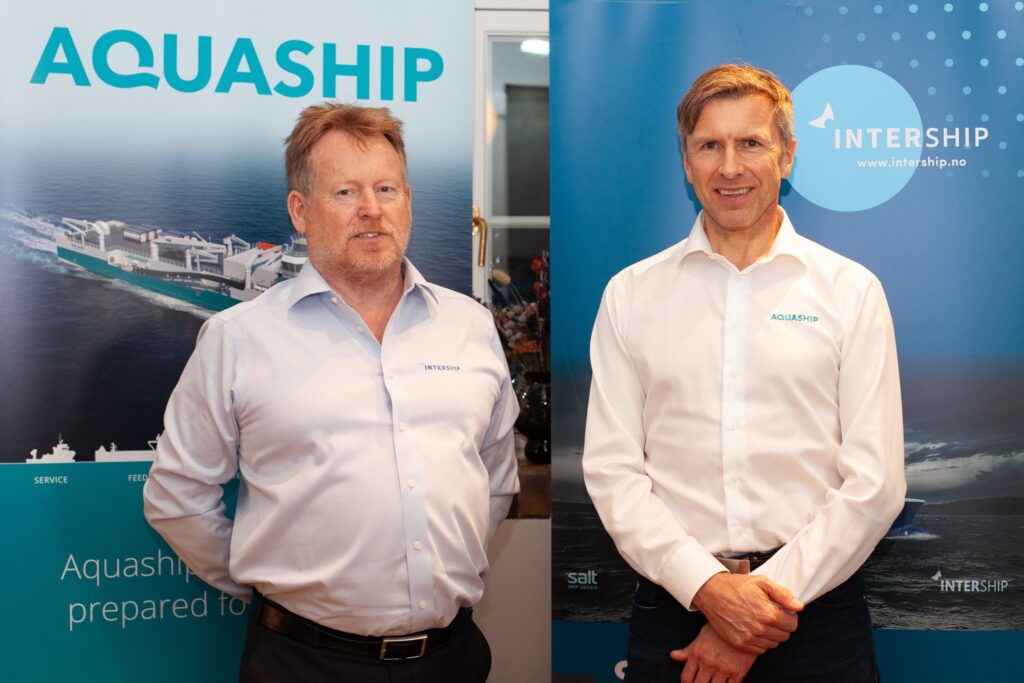
George MacRae |
THE welcome improvement in the economic prospects of the Scottish fishing industry over the past two to three years is now being seriously threatened, a major industry grouping warned today.
Scottish White Fish Producers' Association secretary George MacRae said for some vessels,the fuel cost of a fishing trip is accounting for 50%/60% of vessel on costs which is not being matched by the prices being paid for the raw product.
"For others, fuel costs are now above £1,000 per day. The result is that these costs are having to be absorbed by the vessel which then impact on the earnings available for the skipper and crew."
He said one skipper he recently spoke to said the earnings of his crew over the past 10 months was some 30% less than they were for the previous 10 months.
"That scenario cannot continue. Crew will just leave as they need decent earnings to the pay the mortgage/rent and other living expenses. The prices paid for fish landed at our ports are subject to normal commercial fluctuations but with the fish merchants also working to some very, very, tight profit margins our fishermen have no prospect of passing on the huge increases in fuel costs which have more than doubled over the past year and over 40% since January 2008.
"Speculators in fuel are anticipating fuel to rise to $200 per barrel and although that might not actually be realised nevertheless for the foreseeable future and certainly into the medium term, high fuel costs are here to stay. Excessive fuel costs will seriously damage the profitability of some and drive others into bankruptcy. While fishermen must look to other areas also within their businesses to try and reduce costs so also must Government be prepared to look at the structure of the Industry and give financial assistance wherever possible at least for the short/medium term.
"It is very unlikely that any direct fuel subsidy will be given by the Government to our fishermen for a variety of reasons including the precedent it will set in respect of other industries and also such a subsidy is likely to be in breach of European State Aid Rules unless it is in a very small scale. EU Member States can in applying the de minimis rule give to each fishing business or fishing vessel over a three year period a maximum of €30,000. That, in itself, does not address the problem but there is no prospect of the Government simply handing out for example a 50% fuel cost subsidy on a weekly basis for any length of time as to do so would be in direct contravention of European State Aid Rules."
Mr MacRae said the French and Spanish fishing industries, it is claimed, have received or are about to receive financial support from their Governments but are they? Indeed were the scheme which they were originally promoting legitimate and nothing more than a political exercise?
"Certainly the status of these systems for financial assistance must be investigated but if they exist and are in accordance with EU then it is fair that our Government should provide the same for our fishermen to maintain a level commercial playing field. If they are in breach of European State Air Rules then the French/Spanish proposals must be struck down.
"However, even if such a scheme were to apply to Scottish fishermen it still would hardly scratch the surface of the enormous negative impact that is being made on the profitability of our vessels by the huge increases in fuel. It is true that there is a world wide problem for fuel largely caused as a result of enormous increases in demand from China/India but that does not help our fishermen to remain viable although it might explain how the present situation has happened. "Fishing vessels at sea are only part of the chain that makes up the industry. Onshore are our processors and other ancillary trades which support our fishermen. If many of our fishing vessels go to the wall so also will some of these businesses which employ people in our fishing communities. Fish merchants might, just might, be able to attract fish from other sources around the world but no doubt at significant cost.
"However, that does nothing to sustain our own fishing industry and our communities dependent on the success of all associated with the industry.
"It is possible that the long awaited European Fisheries Fund (EFF) might help in the short term but the hike in diesel fuel for our fishing vessels has been so dramatically quick that solutions to the problem of out of control spiralling of fuel costs cannot be matched by increased profitability created even if higher prices were achieved for the raw product."
The problem of fuel has created, he said, a gigantic short term problem for the industry to which there is no early or easy solution but in the medium to long term, industry rightly has to look at itself and improve efficiency in terms of fishing vessel design, engine/fuel efficiency and savings which can be made to improve gear technology. However, all of these issues take time and that is what is not available to the industry.
"It is recognised that everybody is suffering from results of increased fuel costs but the catching sector has no one to whom to pass the unbearable fuel costs now prevailing. Industry either has to absorb these costs into their businesses or in the event of no alternative of financial structure of support being available then to go out of business. That is the simple stark reality."
www.fishupdate.com is published by Special Publications. Special Publications also publish FISHupdate magazine, Fish Farmer, the Fish Industry Yearbook, the Scottish Seafood Processors Federation Diary, the Fish Farmer Handbook and a range of wallplanners.
Should fisheries be closed during breeding time to allow stocks to reach more sustainable levels?
- 03 - 08 August, 2008
Australasian Aquaculture 2008 Conference and Trade Show - 15 - 18 September, 2008
Aquaculture Europe 2008 - 29 September - 01 October, 2008
Aqua Vision 2008 - 23 - 24 October, 2008
Annual Association of Scottish Shellfish Growers International Conference