NEWS

BAADER wins contract for Grieg’s new seafood centre
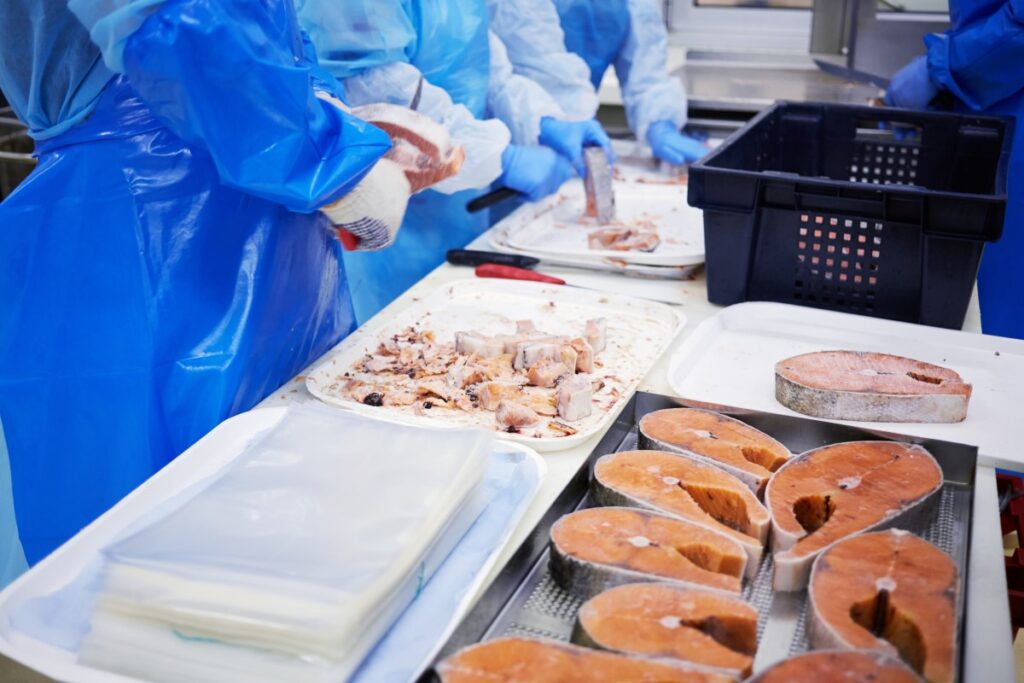
Seafood processing specialist BAADER has won a major contract to fit Grieg’s new seafood centre with a state-of-the-art filleting system. The deal was announced today at the trade show Seafood...

Taking back control
Physical checks on plant and animal products imported from the EU into the UK will start from 30 April. Will the UK’s seafood exporters feel that they have a level...

EU seafood groups join forces at Barcelona
Five major trade organisations representing European aquaculture, fishing and seafood processing have come together in a new strategic alliance. Their aim is to get Europeans to eat – and produce...
Flesh eating cod bug found off Norway
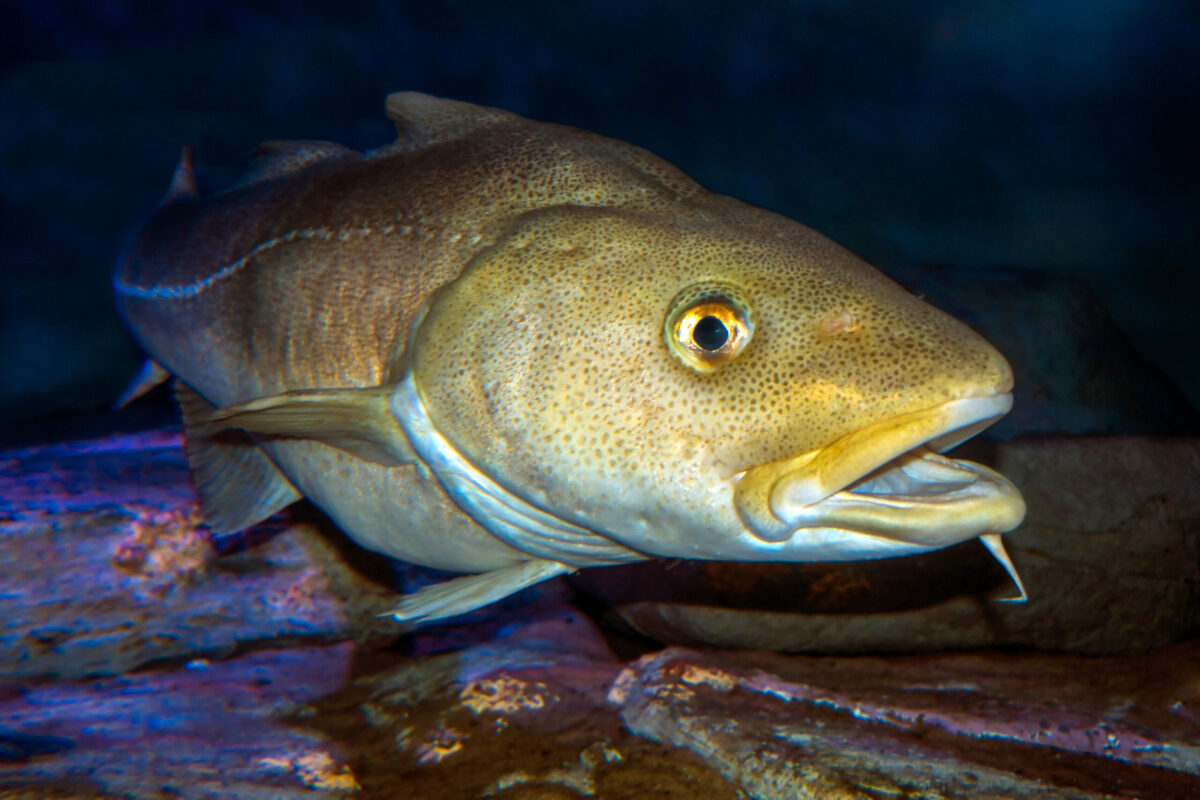
A new parasite which turns fish flesh into a slimy jelly has been found in cod off the Norwegian coast. So far it does not appear to have affected the...

NEWSLETTER
Stay in touch with the latest developments from Fish Farmer and subscribe to our online updates
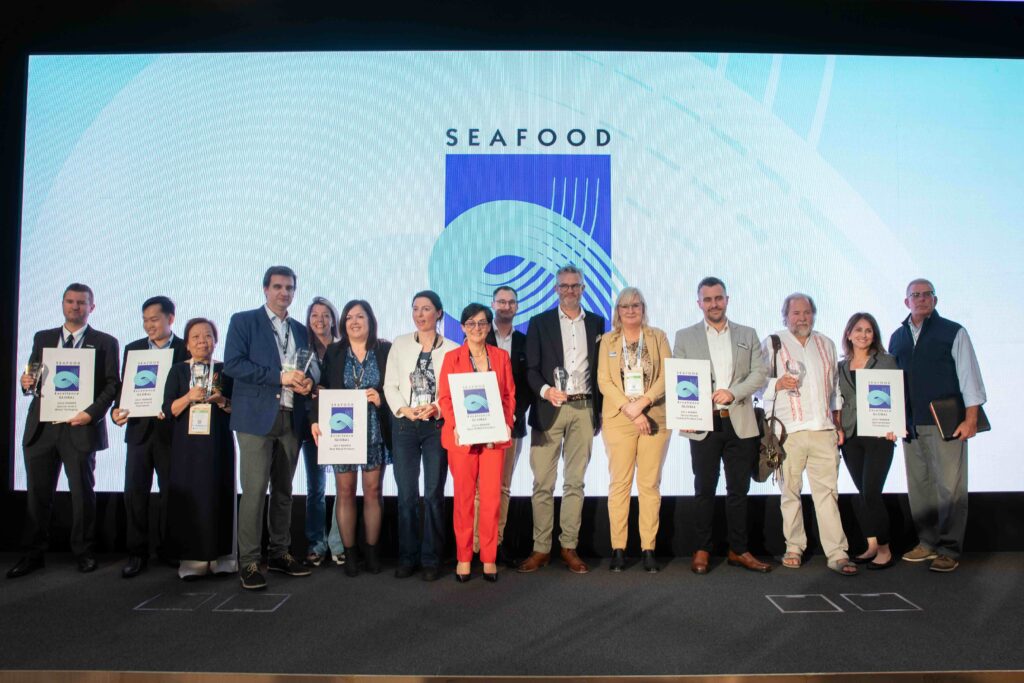
Seafood Excellence winners honoured
Oysters and seaweed products took the top accolades at the Seafood Excellence Global Awards, held last night in Barcelona. The award for Best Retail Product was presented to Parcs Saint...

AlphaGeo promotes Chasing’s versatile ROVs
Marine services business AlphaGeo UK will be at Aquaculture UK this May, promoting the versatile range of remotely operated vehicles (ROVs) from China’s Chasing Innovation Tech Company, including the Chasing...
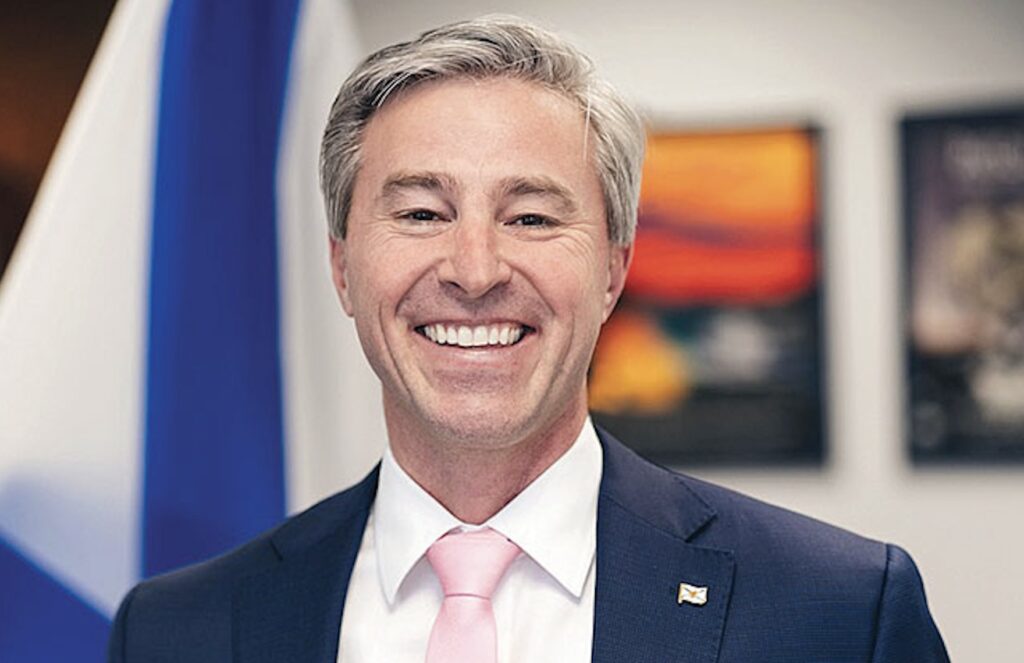
Nova Scotia PM speaks out against Cooke fish farm plan
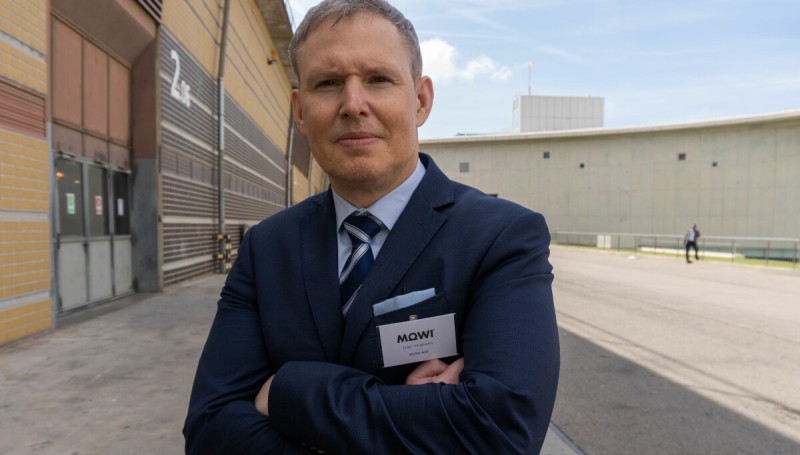
Nova Scotia Prime Minister Tim Houston (pictured) has come out firmly against Cooke Seafoods' plan to expand its Liverpool Bay salmon facility. In February he had already expressed his reservations...

Cermaq announces big investment in Chile
Cermaq has announced that it is planning to invest around £80m in a new RAS fish farm in southern Chile. Called Nueva PCC, Mitsubishi-owned Cermaq said it will be one...
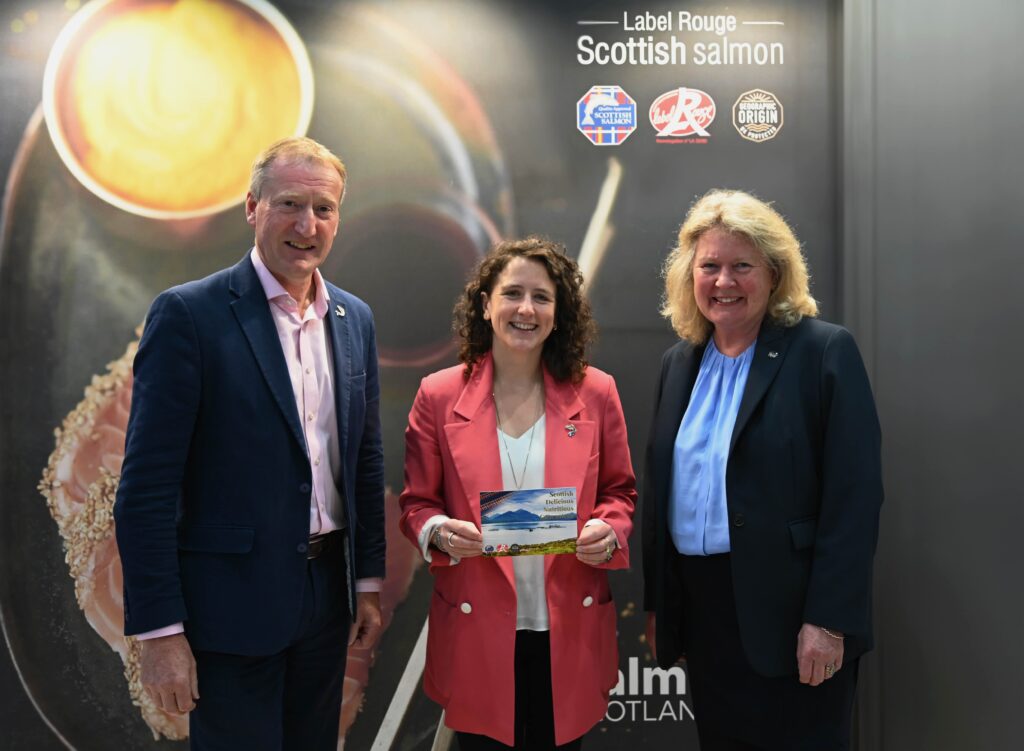

Loch Long’s Hawthorn in marathon effort
Loch Long Salmon’s Stewart Hawthorn has run the Boston Marathon, raising funds for an organisation that aims to preserve traditional Gaelic culture. Stirling-based Stewart Hawthorn – Managing Director at Loch...
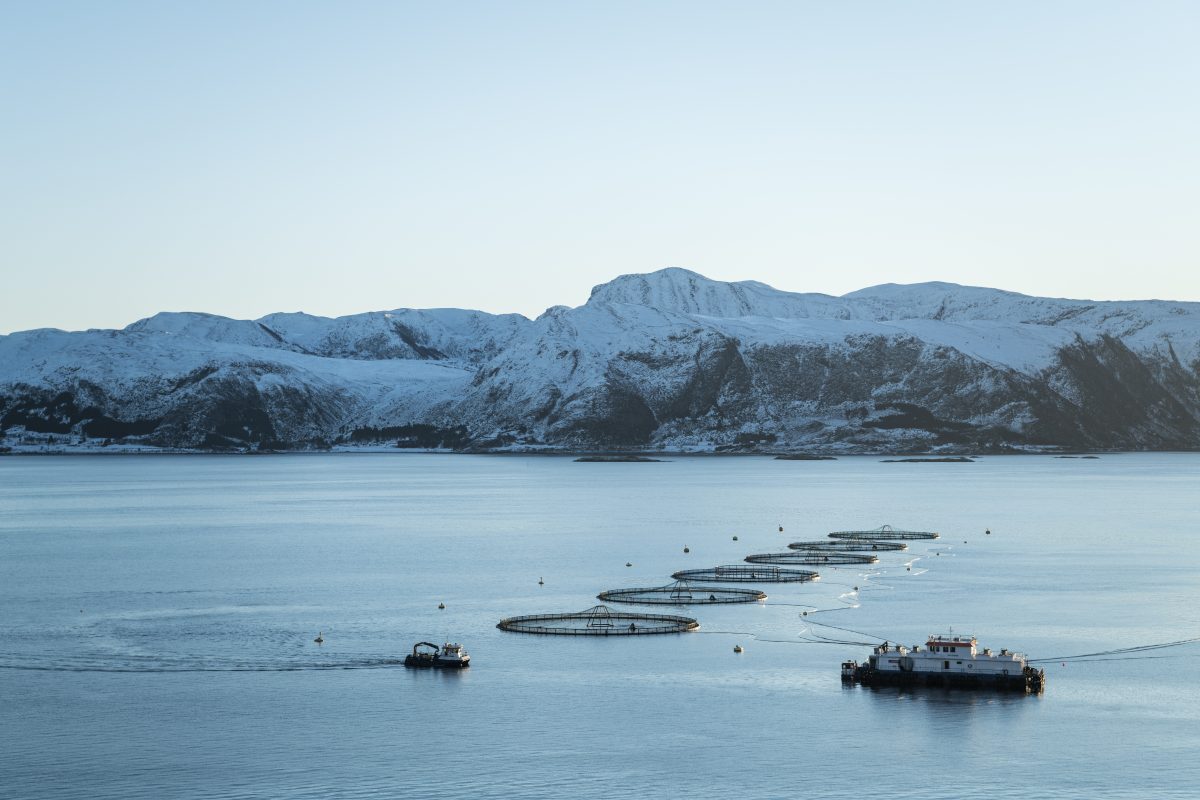
Mowi ready for a further green bond issue
Salmon farming giant Mowi is set to raise additional finance through issuing more green bonds, the company announced yesterday. In a stock exchange announcement, Mowi said that it has mandated...
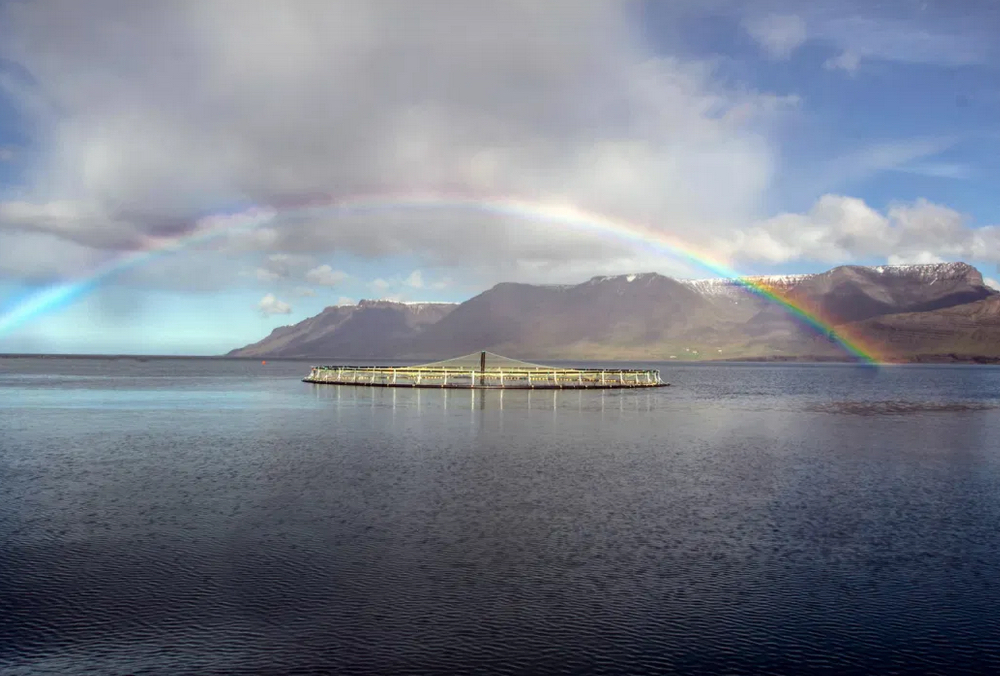
Arctic Fish escape investigation reopened after appeal
The Icelandic salmon farmer Arctic Fish is likely to face an investigation into its operations in the Westfjords after all. A decision by the police to drop an inquiry into...
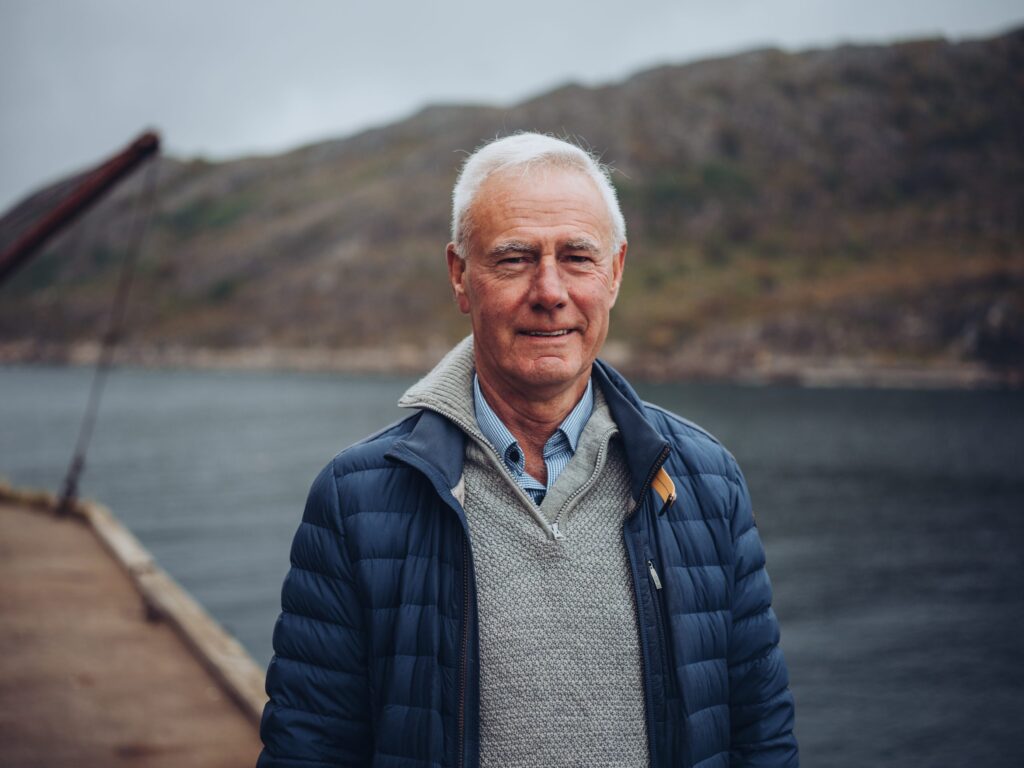
Gigante confirms new CEO in board shake up
Norwegian land-based salmon farmer Gigante Salmon has a new Chief Executive and has also managed to receive commitment of NOK 120 million (almost £9m) in funding, the company has announced....